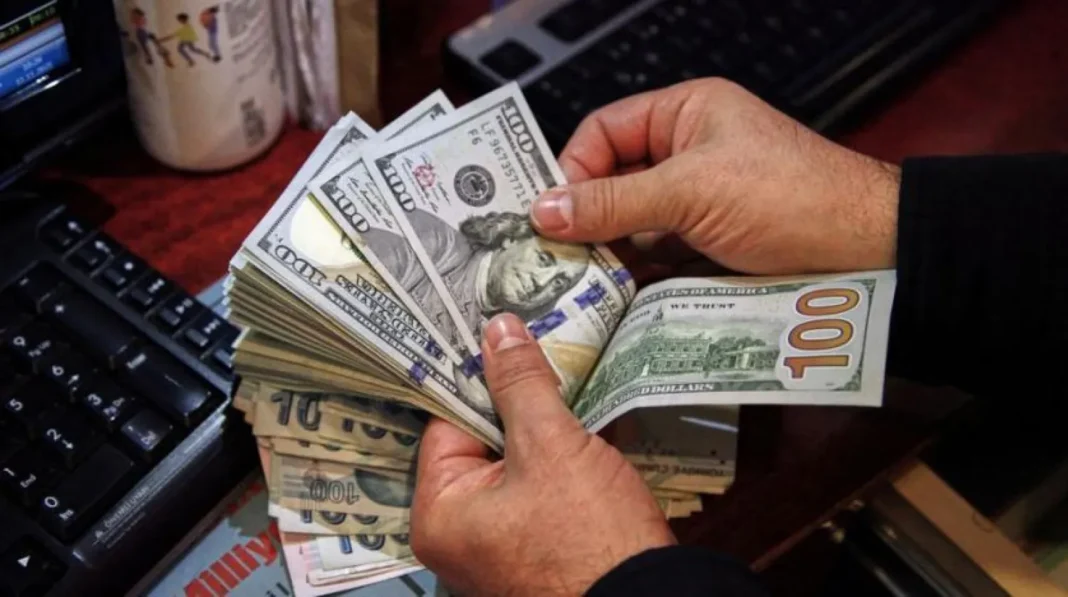
The US dollar finished the session slightly higher across currency markets in Baghdad and Erbil. The Iraq dollar rate moved near 150,500 dinars for every $100 at the close. However, individual markets and exchange shops posted slightly different prices. The movement reflected a modest increase from Baghdad’s morning trading.
Baghdad’s Al-Kifah and Al-Harithiya exchanges quoted $100 at 150,400 dinars. Earlier, both markets had offered the same amount for 150,250 dinars. Therefore, the wholesale market added 150 dinars during the session. The increase remained limited, although it pushed the closing rate above the morning level.
Exchange shops in Baghdad offered customers $100 for 151,000 dinars. Meanwhile, those shops bought the same amount from customers for 150,000 dinars. Consequently, the capital’s retail spread reached 1,000 dinars per $100. That spread covered the difference between shop buying and selling prices.
Erbil’s currency shops recorded narrower differences near the market close. Dealers sold $100 for 150,850 dinars and bought it for 150,750 dinars. Therefore, Erbil’s retail spread reached only 100 dinars per $100. Erbil’s selling rate also stayed 150 dinars below Baghdad’s shop rate.
However, Erbil’s buying rate exceeded Baghdad’s buying rate by 750 dinars. These variations show how local demand can produce different retail quotations. Shop inventories and customer activity can also influence short-term pricing. Nevertheless, the market figures did not identify one specific cause for the increase.
Currency traders closely follow differences between morning and closing prices. Even small changes can affect businesses that exchange large dollar amounts. Furthermore, importers often monitor the market before paying overseas suppliers. Travelers and households may also compare rates before purchasing dollars.
The higher close may attract attention from retailers and commercial buyers. However, a 150-dinar increase represents a small movement within one trading session. Market participants usually need several sessions before identifying a clear direction. Therefore, one daily rise does not automatically signal a sustained trend.
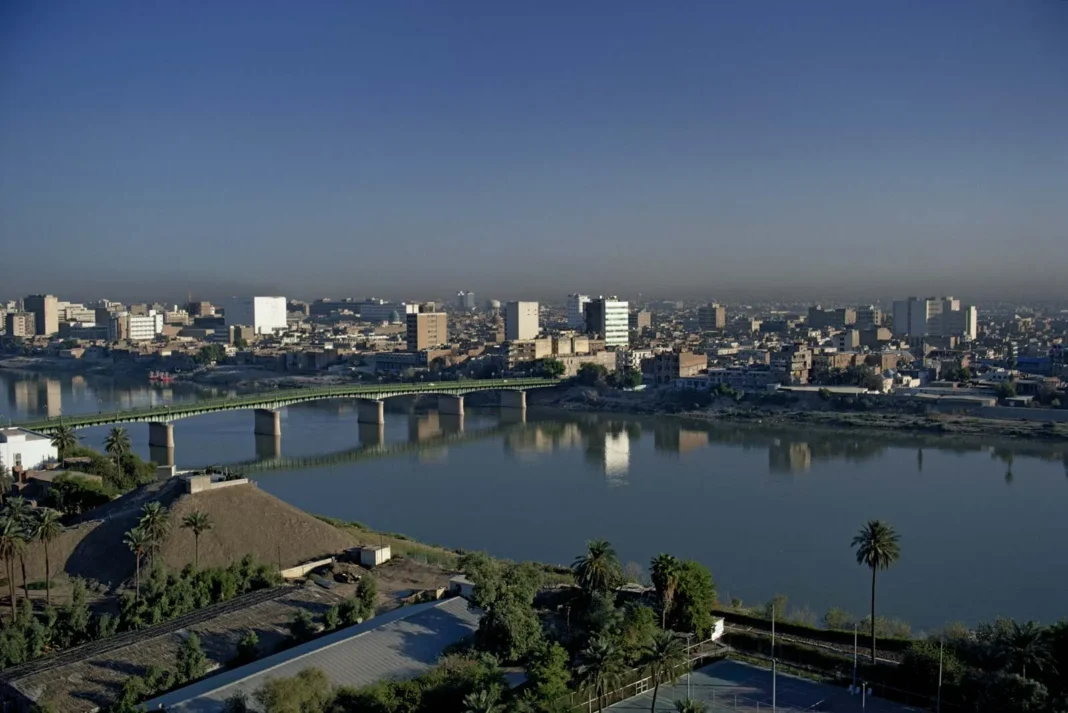
Baghdad remains a major center for Iraq’s private currency trading. Traders use Al-Kifah and Al-Harithiya as important wholesale market indicators. Meanwhile, exchange shops add their own margins when serving retail customers. Those margins explain why shop rates often differ from wholesale quotations.
Erbil also maintains an active currency market with frequent price updates. Its rates often move alongside Baghdad’s prices, although small differences remain. Local supply and customer demand can influence those differences throughout the session. Therefore, buyers often compare both cities when monitoring Iraq’s currency market.
The Iraq dollar rate affects more than currency traders and exchange shops. Businesses may use market prices when calculating import costs and retail budgets. Moreover, households can feel currency changes through prices for imported goods. A prolonged increase may raise costs, while a decline may ease some pressures.
Still, the latest move showed stability rather than a sharp market swing. Baghdad’s wholesale rate changed by only 150 dinars from the morning. Meanwhile, Erbil’s retail quotations remained close to the broader closing level. Both markets kept the dollar around the 150,000-dinar range per $100.
Traders will continue watching future sessions for greater changes. They will also compare wholesale rates with prices inside exchange shops. For now, Baghdad and Erbil ended trading with a small upward move. The closing figures showed limited volatility across Iraq’s two major currency markets.