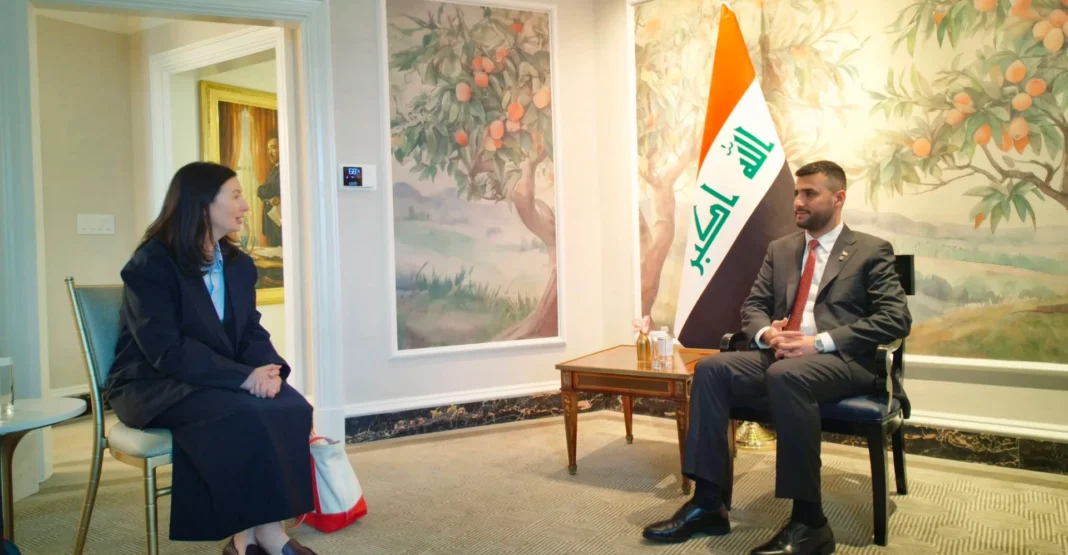
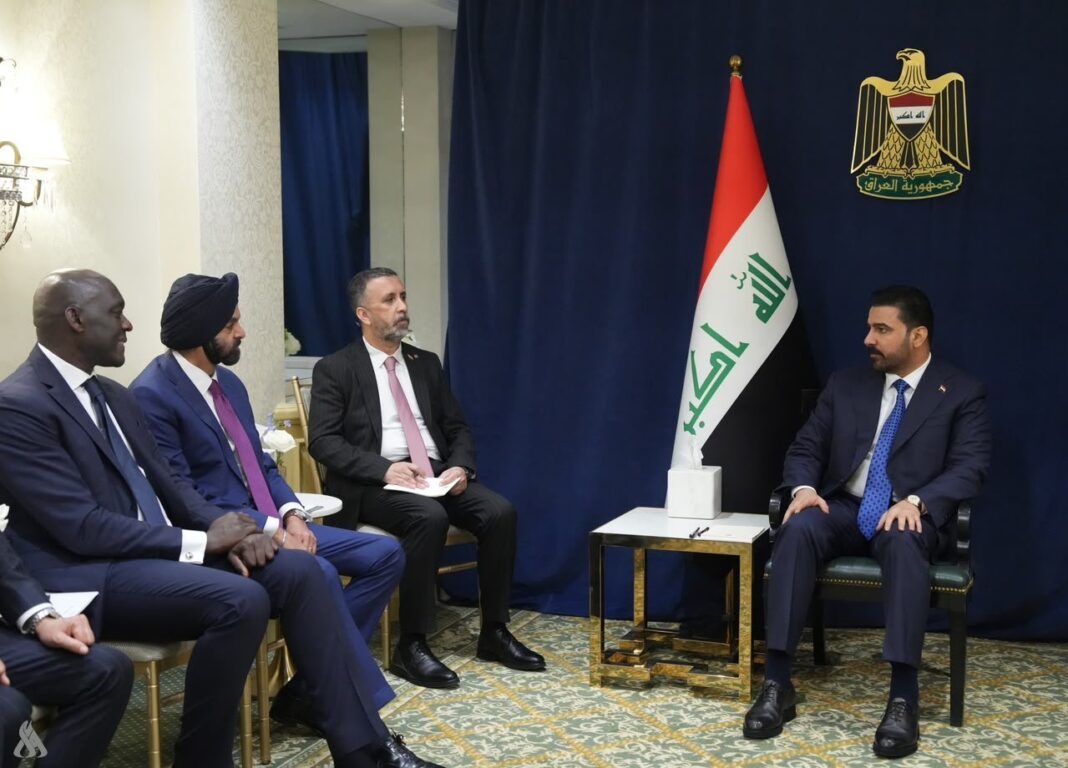
The World Bank has offered Iraq technical expertise and policy guidance for major financial changes. President Ajay Banga outlined this support during talks with Prime Minister Ali al-Zaidi. Senior Iraqi officials and International Finance Corporation Managing Director Makhtar Diop also joined the discussions. Iraq’s banking reform formed a central part of the high-level meeting.
Banga presented a proposal that could reshape Iraq’s large network of government banks. He suggested merging several banks under one larger Iraqi holding company. This structure could reduce administrative overlap and improve coordination across the financial sector. Moreover, it could help banks manage resources and services more effectively.
The proposed holding company could also strengthen financial oversight and support better lending decisions. Iraq currently depends heavily on government banks for salaries, payments, and public financing. However, these institutions need stronger technology, management systems, and international banking practices. Therefore, World Bank support could help Iraq modernize these important institutions.
Al-Zaidi welcomed the World Bank’s readiness to support the country’s financial transformation. He said Iraq now enjoys greater stability across several important areas. According to him, this stability can strengthen investor confidence and improve the national business climate. Furthermore, government policies could create stronger economic growth during the coming period.
The prime minister placed Iraq’s banking reform among his government’s main economic priorities. He emphasized the importance of directing financial resources toward productive projects and national growth. Additionally, he highlighted program finance as an important tool for managing public funds. This approach could connect government spending with clear development goals.
Iraq wants its banking system to support economic diversification beyond public spending. Therefore, officials aim to expand credit for companies, investors, and emerging industries. Stronger banks could finance agriculture, housing, manufacturing, technology, and infrastructure projects. As a result, private companies could play a larger role within the national economy.
The government also wants to improve the long-term sustainability of Iraq’s public finances. Oil revenue continues to provide most of the country’s government income. However, fluctuating energy prices can create serious financial pressure. Consequently, stronger banking institutions could help Iraq develop more reliable economic foundations.
Al-Zaidi also discussed plans to increase national oil production. He linked higher production with Iraq’s growing need for development financing. Additional oil income could support infrastructure, public services, and large investment programs. Nevertheless, the government also wants to reduce excessive dependence on the energy sector.
Meanwhile, Iraq has created a development fund to finance strategic investments. The fund aims to increase the financial capacity of Iraqi banks. It also seeks to connect public resources with projects that support economic expansion. Moreover, officials expect the fund to encourage stronger cooperation between banks and private businesses.
The development fund could provide companies with better access to capital. Many Iraqi businesses currently struggle to secure affordable and reliable financing. This challenge limits expansion, job creation, and investment across several industries. Therefore, improved lending opportunities could strengthen Iraq’s private sector and wider economy.
The government wants private companies to become major partners in national development. Accordingly, banking changes could help businesses compete, innovate, and enter new markets. Better financing could also encourage foreign investors to launch projects inside Iraq. In turn, those projects could create jobs and transfer valuable knowledge.
Iraq’s banking reform could also improve public confidence in financial institutions. Many citizens still rely heavily on cash for daily transactions. Therefore, banks need faster services, secure digital systems, and easier payment options. Modern banking services could bring more people and businesses into the formal economy.
However, successful reforms will require clear regulations and strong institutional cooperation. Iraqi authorities must also improve transparency, professional management, and financial accountability. Meanwhile, international advisers can provide technical knowledge and examples from other countries. Their support could help Iraq avoid delays and costly policy mistakes.
The World Bank proposal signals growing international interest in Iraq’s economic transition. A larger banking group could strengthen coordination among government financial institutions. Furthermore, expert support could help Iraq improve lending, investment, and financial services. These changes could eventually create a more diverse and resilient national economy.