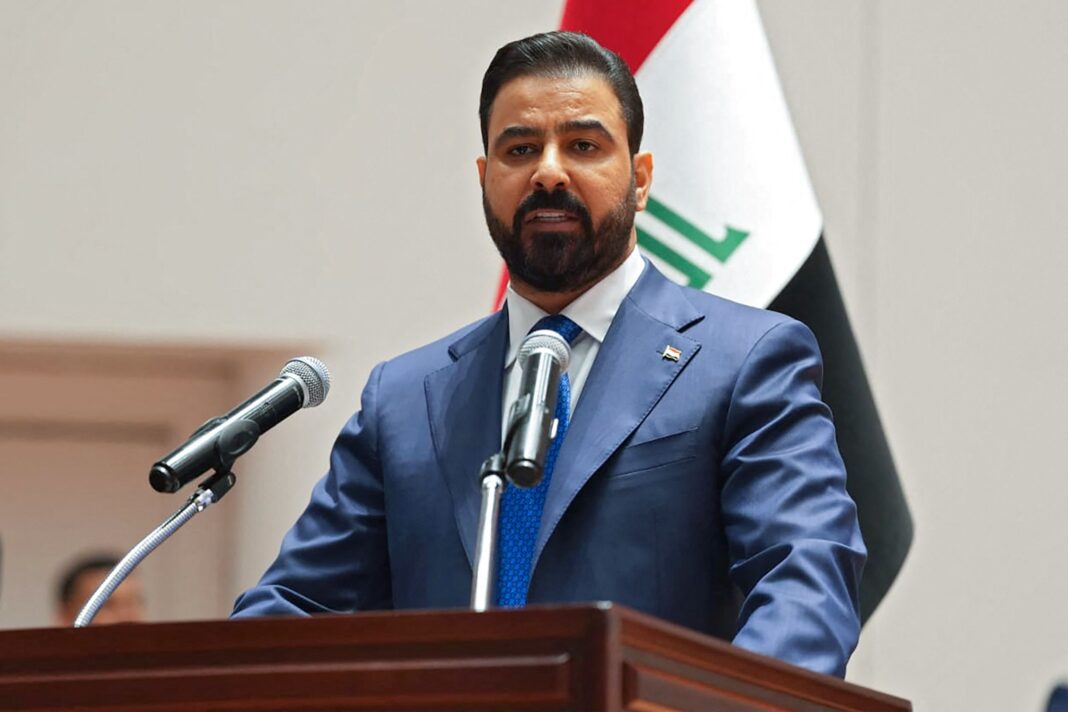

Iraq plans to continue major banking changes as leaders push for stronger financial stability. Prime Minister Ali al-Zaidi said the country needs deeper reforms across the banking sector. He also said these programs can support growth and protect the wider economy.
Al-Zaidi made the remarks during a leadership handover at the Central Bank of Iraq. Ali Mohsen al-Alaq transferred his duties as governor to Nizar Hussein. Meanwhile, the government signaled that financial modernization remains a national priority.
The prime minister said Iraq must keep pace with global digital transformation. He also urged financial institutions to follow international standards. Therefore, the government wants banks to improve systems, controls, and customer services.
Iraq’s banking reform has become a key part of the country’s economic agenda. Officials believe stronger banks can support investors and improve confidence. Moreover, better banking rules can help Iraq connect with the global financial system.
Al-Zaidi also appointed al-Alaq as his advisor for economic affairs. This move shows that the government still wants his experience in financial policy. In addition, it highlights the importance of continuity during the reform process.
The prime minister urged officials to complete strategic programs without delay. These programs aim to improve institutional performance and strengthen banking stability. Furthermore, they can help Iraq build a more transparent financial environment.
The Central Bank of Iraq also pledged to continue its reform agenda. The bank said the plan follows a wider vision for the financial sector. As a result, it wants Iraqi banks to become more efficient and reliable.
Iraqi banks continue to meet standards under the second phase of the program. This phase focuses on compliance, governance, and transparency. Therefore, banks must improve internal controls and follow stricter financial rules.
Iraq’s banking reform also focuses on banks with limited international transfer access. The Central Bank wants these institutions to meet regulatory requirements. Moreover, stronger oversight can help them restore trust with global financial partners.
The Central Bank continues efforts to reach an agreement with a professional auditing firm. The firm will examine banks that qualify for the first phase. It will also review their compliance with external transfer rules.
This review can help identify weaknesses inside financial institutions. Then, banks can correct problems and improve their operations. In addition, the process can support safer international transfers.
The reform plan also aims to raise confidence in Iraq’s banking industry. Investors often need clear rules before they enter a market. Therefore, stronger banking standards can make Iraq more attractive for business.
Digital transformation also plays a central role in the government’s strategy. Banks need modern systems to manage payments, transfers, and financial records. Furthermore, better technology can reduce delays and improve customer trust.
Iraq’s banking reform could also help the country reduce financial risks. Stronger governance can limit mismanagement and improve accountability. Meanwhile, transparent banking rules can support long-term economic development.
The government now wants banks to align more closely with global practices. This goal can help Iraq expand financial cooperation with international institutions. As a result, the banking sector may gain stronger credibility abroad.
The reform package represents a major step for Iraq’s financial future. It aims to improve banks, increase trust, and support economic growth. Moreover, it can help Iraq integrate more smoothly into global finance.