Iraqi authorities recovered more than 14 billion dinars in a major corruption investigation. Officials found the money inside a stormwater drainage pit. The case involves former Oil Ministry Undersecretary Adnan Al-Jumaili. Iraq’s cash recovery efforts now place fresh pressure on senior public-sector figures.
Judicial officials said investigators traced the money to assets connected with the case. They said suspects hid the funds in an unusual location to avoid detection. In addition, investigators continue searching for other people involved. They also aim to recover more money and property.
The case has gained attention because of Al-Jumaili’s former positions. He previously served as a senior Oil Ministry official. He also led the North Refineries Company before authorities removed him from that post. Therefore, the investigation touches a key part of Iraq’s energy sector.
Security forces arrested Al-Jumaili in Saladin province after his removal. Since then, investigators have expanded the case across several financial tracks. They have also searched for hidden assets, property, vehicles, and valuables. As a result, the probe has grown beyond one official.
Iraq cash recovery actions form part of a wider anti-corruption campaign. Prime Minister Ali Al-Zaidi directed the campaign against corruption networks. Authorities call the campaign the Dawn Crackdown. It targets current officials, former officials, politicians, business owners, and other suspects.
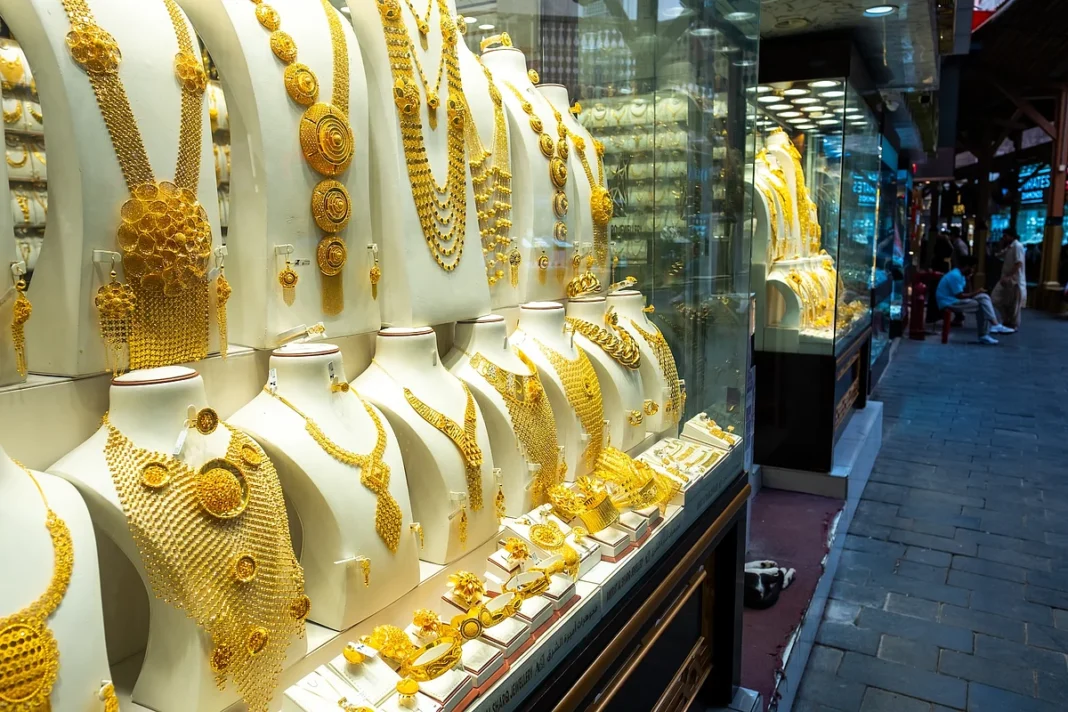
The campaign has already produced large seizures in corruption-related cases. Judicial authorities reported billions of dinars in recovered assets. They also pointed to foreign currency, real estate, vehicles, and gold jewelry. These findings show the scale of suspected public money misuse.
Investigators say the Al-Jumaili case opened wider questions about state resources. A judge said the probe revealed links to several lawmakers. Officials suspect some figures exploited public assets for personal or political gain. However, courts must still examine evidence before final rulings.
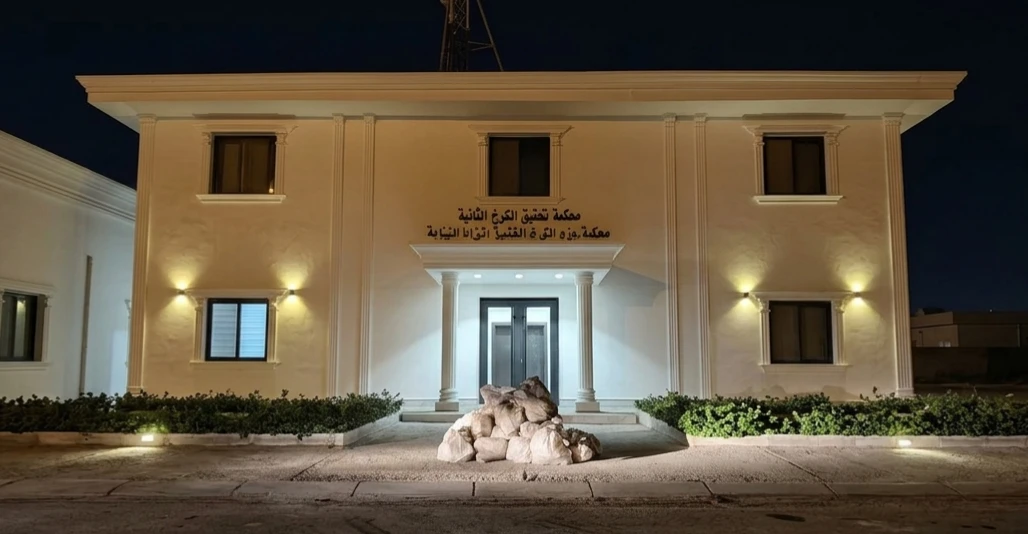
The Central Anti-Corruption Criminal Court now plays a central role in the case. Its judges continue to track financial movements and hidden assets. Moreover, they have warned against the misuse of the investigation. They said some people may try to extort business owners through the case.
This warning shows the complexity of major corruption investigations. Authorities must recover public money and protect the legal process. They also must prevent others from using the case for private pressure. Therefore, the investigation requires strict oversight and clear evidence.
The latest discovery has deepened public interest in the crackdown. Many Iraqis have long demanded stronger action against corruption. They also want officials to recover stolen funds and punish those responsible. Consequently, each new seizure carries strong political and public meaning.
The oil sector adds more weight to this case. Iraq depends heavily on oil revenue to fund state spending. Because of that, corruption allegations involving oil officials raise serious concerns. They can damage trust in public institutions and economic management.
Iraq’s cash recovery efforts may also affect future government reform plans. Baghdad wants to show that senior titles do not protect suspects. In addition, officials want to prove that corruption probes can reach powerful networks. The success of this campaign depends on fair enforcement.
The case now moves forward through further investigation. Authorities want to identify all suspects and recover more assets. They also need to show the public that courts can handle major cases. If the probe advances properly, it could strengthen confidence in state accountability.