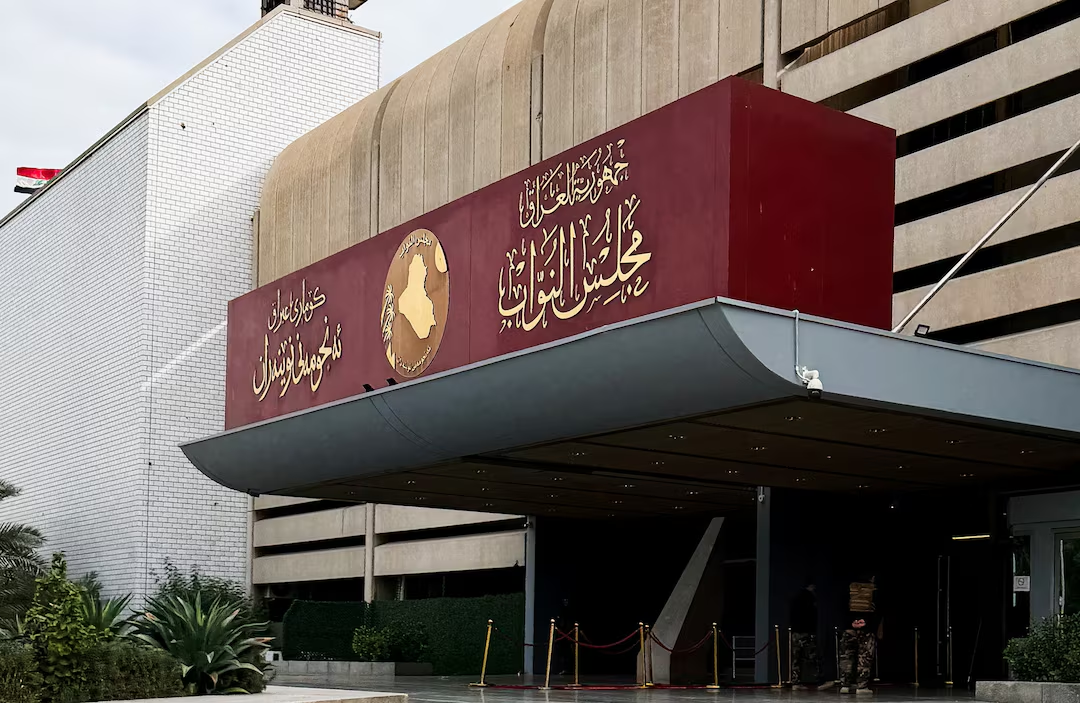
Iraq and Jordan have opened new discussions on a major pipeline linking Basra to Aqaba. The talks focused on trade, investment, and wider economic cooperation. Iraqi Prime Minister Ali al-Zaidi met with a senior Jordanian delegation to review shared projects. Moreover, both sides highlighted the strong relationship between Baghdad and Amman.
The meeting gave new attention to the Iraq oil route project. Baghdad wants safer export options as regional tensions affect shipping routes. Officials also want to reduce pressure on Iraq’s southern ports. Therefore, the pipeline plan carries both economic and strategic importance.
Al-Zaidi stressed the need to expand trade ties with Jordan. He also called for stronger investment links across several sectors. In addition, he said both countries can benefit from deeper cooperation. The Jordanian delegation discussed ways to support these shared goals.
The Basra-Aqaba pipeline stands at the center of these talks. Iraq wants the project to create a direct outlet toward the Red Sea. This route could help crude shipments reach European markets more easily. It could also reduce dependence on the Strait of Hormuz.
Furthermore, Iraq relies heavily on southern ports for oil exports. Any disruption near Gulf shipping routes can affect national revenue. Because of that, Baghdad wants more than one export path. This strategy could protect the country during regional crises.
The project would move crude oil from Basra in southern Iraq. It would then carry supplies toward Haditha in Anbar province. After that, the line would extend toward Jordan’s port of Aqaba. As a result, Iraq could gain a Western export corridor.
Iraq’s cabinet has already allowed the Oil Ministry to seek company proposals. Officials want specialized firms to present plans for the Basra-Haditha section. The wider project then connects that line to Aqaba. Consequently, the government aims to turn the concept into a workable infrastructure plan.
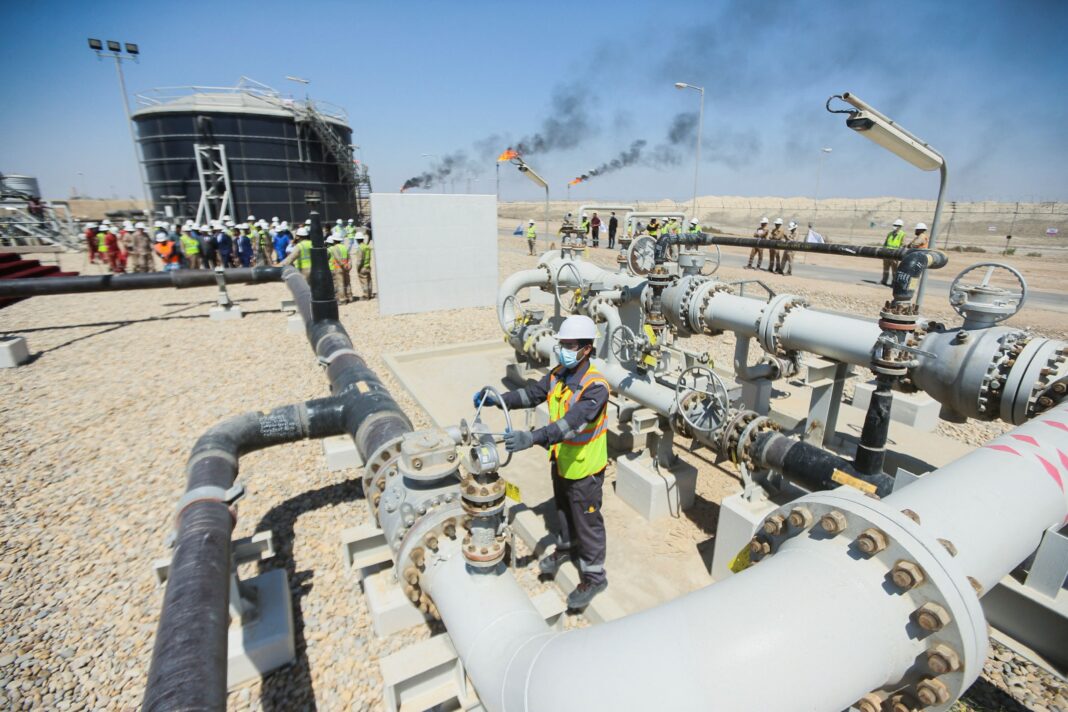
Reports estimate the Iraqi project at about $4.6 billion. The pipeline could carry around 2.25 million barrels per day. Engineers plan to use large 56-inch pipes for the system. This design could support both domestic transport and future export needs.
Moreover, the pipeline could help Iraq modernize its energy network. The country needs stronger infrastructure to match its oil production goals. Better routes can improve export flexibility and reduce operational risks. They can also attract more energy investment into Iraq.
The Iraq oil route also supports Jordan’s economic interests. Aqaba could gain a stronger role in the regional energy movement. Jordanian companies may also benefit from related logistics and service work. Therefore, both countries see the project as more than a pipeline.
However, the plan still needs financing, technical studies, and political support. Large energy projects require clear contracts and long-term security guarantees. Iraq must also coordinate land routes, safety measures, and export agreements. Still, officials now show a stronger interest in pushing the project forward.
The pipeline fits Iraq’s wider effort to rebuild key infrastructure. It also supports Baghdad’s goal of diversifying oil export channels. In addition, it could strengthen economic ties with Jordan. Therefore, the Iraq oil route remains a central part of Iraq’s energy strategy.