Iraq faces a major political test as leaders move toward completing the government. The Al-Hikma National Movement said political blocs reached an early agreement on a key parliamentary session. The session aims to fill the remaining cabinet posts under Prime Minister Ali Falih al-Zaidi.
The Iraqi cabinet vote comes as Zaidi pushes broad changes across state institutions. His government has moved through dismissals, replacements, and structural changes. These steps cover public bodies, independent institutions, and security agencies.
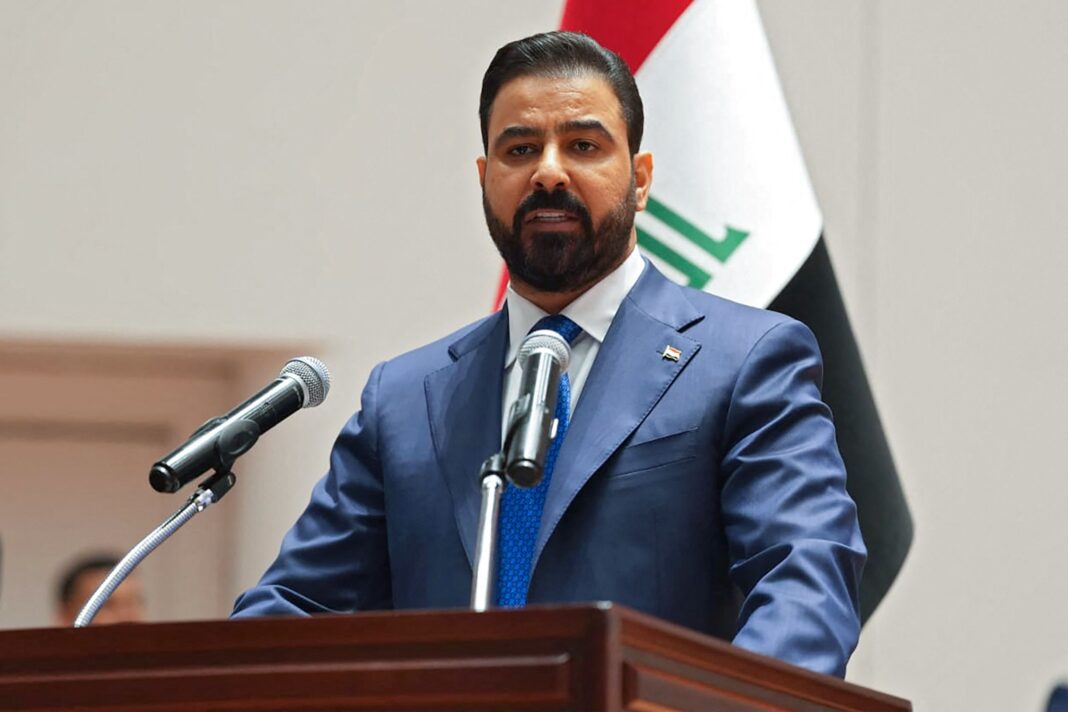
Al-Hikma spokesperson Hussam Al-Hasani defended the prime minister’s actions during a televised interview. He said Zaidi acted within his constitutional powers. He also said the prime minister wants to carry out his ministerial program.
Moreover, Al-Hasani linked the changes to three major government priorities. He named weapons control, stronger state revenue, and financial restructuring as central goals. Therefore, the reshuffle reflects a wider plan for power and reform.
He also rejected claims about foreign pressure behind the dismissals. According to him, internal political needs shaped the latest decisions. He said ruling blocs want stronger unity before major legislative steps.
In addition, the spokesperson said the government wants to strengthen control over armed activity. Zaidi’s camp wants the state to hold clear authority over weapons. This issue remains one of Iraq’s most sensitive political challenges.
Meanwhile, cabinet completion has become a key priority for the ruling coalition. Nine ministries still need final political agreement. As a result, leaders continue talks over names, blocs, and strategic portfolios.
The Iraq cabinet vote carries extra weight before Zaidi’s planned visit to Washington. The prime minister aims to arrive with a stronger domestic position. A full cabinet could help him project stability during talks at the White House.
Al-Hasani said political negotiations still face difficult obstacles. He pointed to the Interior Ministry as the main challenge. This ministry controls major internal security responsibilities and carries strong political influence.
Furthermore, the Defense Ministry also remains central to the discussions. The government wants leaders who support Zaidi’s security vision. It also wants ministers who back the rule of law.
The spokesperson said candidates for Interior and Defense must match the prime minister’s national security agenda. He stressed that these posts need full alignment with state authority. Therefore, the coalition continues to review nominees carefully.
At the same time, the ruling alliance rejects candidates linked to armed factions. It also opposes nominees who challenge the disarmament agenda. This position shows Zaidi’s effort to shape a stronger security policy.
However, the process still depends on political compromise. Iraq’s cabinet negotiations often involve party demands, regional interests, and sectarian balances. Therefore, leaders must manage competing pressures before the parliamentary session.
The coming vote could mark a turning point for Zaidi’s government. A completed cabinet may help him accelerate reform programs. It may also give him more room to manage security and economic files.
For Zaidi, the Iraq cabinet vote offers more than a political milestone. It gives him a chance to show control before an important international meeting. Moreover, it may define his government’s early strength.