
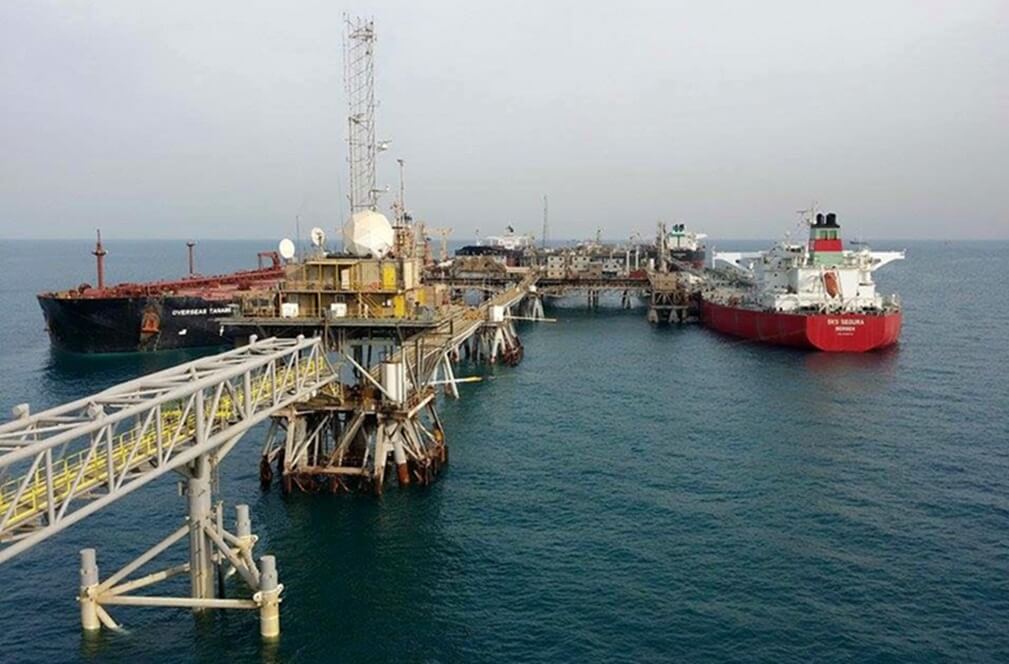
South Korea reduced its intake of Iraqi crude as regional conflict disrupted energy flows. The drop highlighted growing pressure on Asian buyers. It also showed how quickly tension can reshape oil trade routes.
Iraq’s oil supplies to South Korea fell by 42.4 percent from last year. Trade figures showed imports reached about 5.84 million barrels. Therefore, Iraq saw a major decline in one important Asian market.
The decline came as South Korea reduced its purchases of Middle East oil. Moreover, Seoul looked for other suppliers to protect its energy needs. This shift created a clearer change in the country’s import pattern.
South Korea brought in 32.77 million barrels from Middle East producers. That figure marked a 37.3 percent decline from last year. As a result, the region’s share of total imports dropped to 53.1 percent.
Total crude imports also weakened during the same period. South Korea imported 8.46 million tons of crude oil. That level showed a 22.8 percent decline compared with last year.
The regional conflict played a major role in the slowdown. It affected shipping routes, supply confidence, and buying decisions. Consequently, South Korean refiners adjusted their sources of crude.
Saudi Arabia remained a major supplier to South Korea. However, its oil exports to Seoul declined by 37.6 percent. The country shipped 2.146 million tons during the period.
Kuwait recorded an even sharper fall in supplies. Its exports to South Korea dropped by more than 98 percent. The country sent only around 10,000 tons.
Qatar also lost its position in the import mix. Its crude supplies to South Korea stopped completely. Therefore, Seoul depended less on several traditional Middle East suppliers.
Meanwhile, other exporters gained ground. The United Arab Emirates increased shipments to South Korea by 81.6 percent. Its supplies reached 1.4 million tons.
The United States also strengthened its role in South Korea’s crude market. American oil exports to Seoul rose by 13.4 percent. The total passed 2.145 million tons.
This change shows how energy buyers respond to geopolitical risk. South Korea wants stable supplies, flexible routes, and reliable partners. Therefore, it expanded purchases from suppliers outside some pressured routes.
Iraq’s oil supplies remain important for Asian energy markets. However, conflict and logistical pressure can weaken regular trade flows. This situation may push refiners to diversify faster.
The decline also matters for Iraq’s oil strategy. Asian customers represent a vital market for Iraqi crude. As a result, supply disruptions can affect export planning and revenue expectations.
Furthermore, South Korea’s changing import mix could influence future contracts. Buyers may seek more flexible agreements during periods of regional uncertainty. They may also demand stronger guarantees from suppliers.
At the same time, Iraq still holds strong potential in Asia. Its crude remains important for many refiners. However, stable delivery will remain essential for long-term partnerships.
Iraq’s oil supplies now face a more complicated market environment. Regional instability has encouraged buyers to review their energy exposure. Consequently, South Korea’s import shift signals wider pressure across the global oil trade.