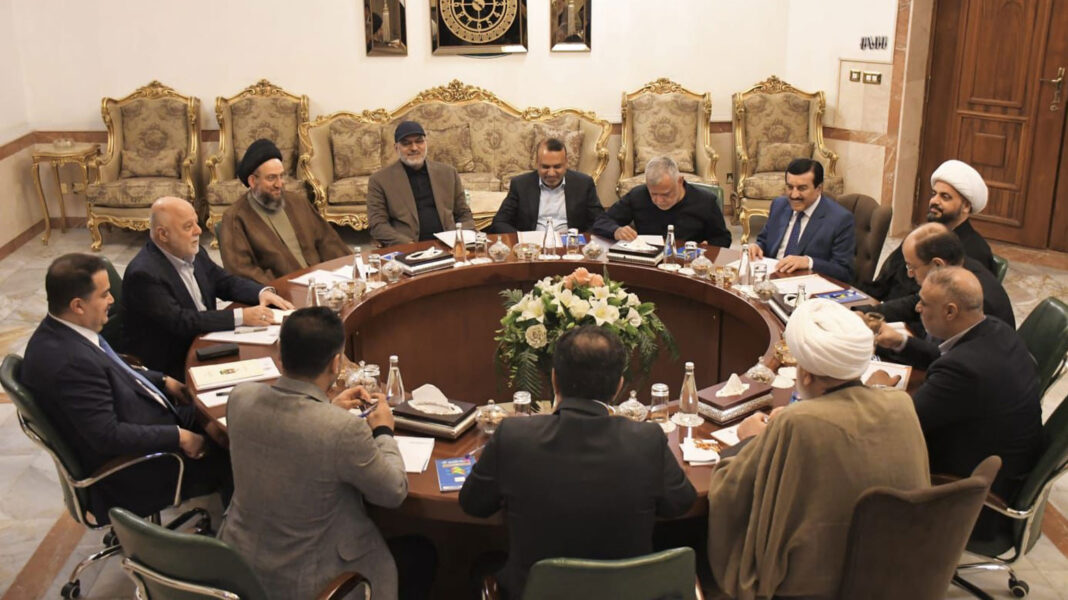
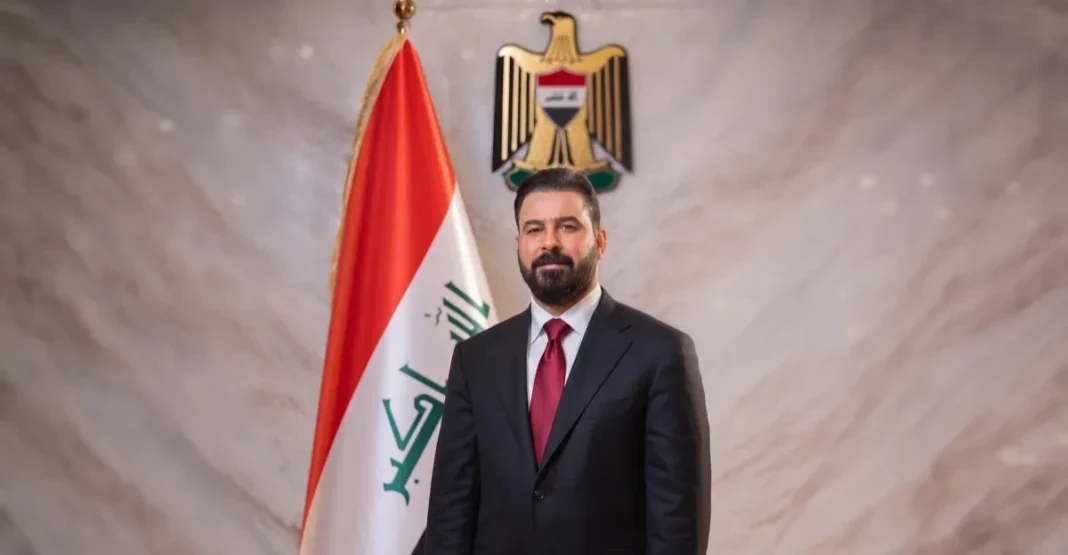
Iraq cabinet formation efforts have entered a new phase after Prime Minister Ali al-Zaidi secured authorization from the Shiite Coordination Framework, the country’s largest parliamentary bloc. As a result, he has intensified discussions with political parties to complete the remaining vacant cabinet positions.
Meanwhile, member of the Coordination Framework Amer al-Fayez said on Saturday that al-Zaidi continues to coordinate with participating parties to select candidates for the unfilled ministries. Furthermore, political leaders aim to reach broad agreement before presenting the nominees to the Framework for final approval.
According to al-Fayez, officials plan to submit the names once they achieve consensus. Therefore, the Framework will review the proposed candidates before lawmakers vote on them.
However, parliament has entered its legislative recess. Consequently, lawmakers cannot complete the process during regular sessions. Instead, Speaker Haibet al-Halbousi would need to call an extraordinary session to address the issue before the recess ends.
Otherwise, parliament will likely resume discussions after lawmakers return in early July. In that case, the remaining cabinet appointments could move forward during the next legislative period.
Parliament approved al-Zaidi’s government and ministerial program on May 14. At that time, lawmakers granted confidence to 14 ministers. Nevertheless, they delayed voting on the remaining nine positions because political parties disagreed over their distribution.
Since then, negotiations have continued among the governing parties. Moreover, leaders have sought to resolve differences and finalize the cabinet lineup.
Political observers believe the coming weeks could prove crucial. In addition, many expect negotiations to intensify before parliament resumes its activities.
Iraq cabinet formation remains one of the government’s key priorities. Supporters argue that filling the vacant ministries would strengthen the administration and improve coordination among state institutions.
At the same time, several political factions continue to discuss power-sharing arrangements. Therefore, reaching a compromise remains essential for completing the process.
Despite the delays, officials have expressed confidence that agreements can be reached. As a result, expectations have grown that the remaining posts could soon receive parliamentary approval.
For now, political leaders continue consultations behind the scenes. Consequently, attention remains focused on whether an extraordinary parliamentary session will take place.
As discussions continue, Iraq cabinet formation stands at the center of the country’s political agenda, with parties working to secure consensus and complete the government structure.