The debate over Iraq’s weapons control has entered a new phase. Iraq’s government continues efforts to place all arms under state authority. However, Iranian pressure has complicated that objective. Sources familiar with the issue said figures linked to Iran’s Islamic Revolutionary Guard Corps urged Shiite armed factions to reject disarmament.
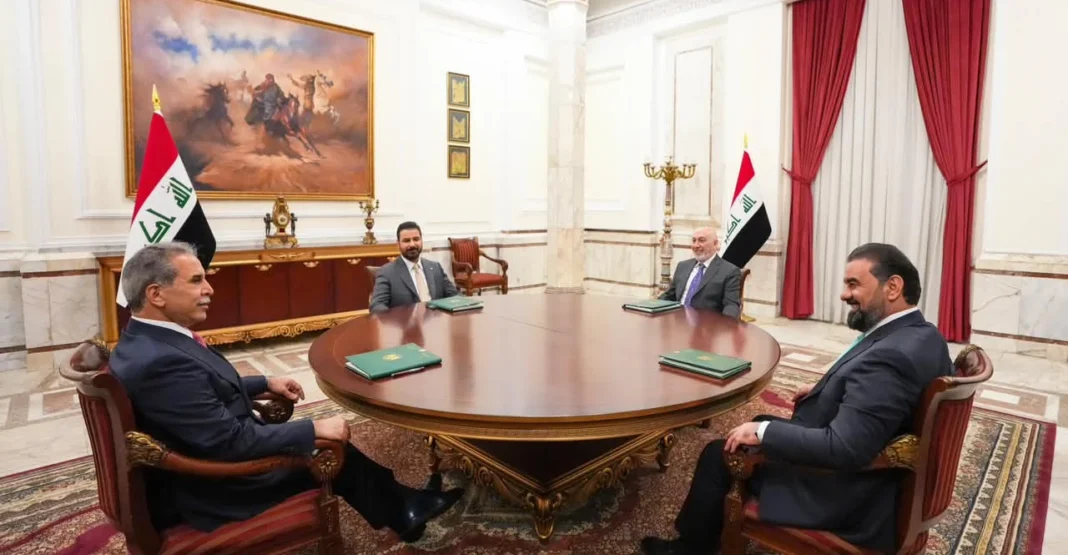
According to political and security sources, the message reached militia leaders shortly after Prime Minister Ali al-Zaidi secured parliamentary confidence in May. The sources said Tehran rejected the idea that weapons represent a purely domestic issue.
Instead, Iran reportedly views the matter through the broader framework of the so-called Axis of Resistance. Therefore, Iranian officials oppose negotiations that could lead to armed groups surrendering their arsenals.
A source involved in communication with armed factions described the message as direct. According to the source, figures linked to the IRGC promised to prevent weapons from reaching state control.
Meanwhile, several militia leaders face growing pressure from Iran. Consequently, some groups struggle to transition from military activity into politics.
At the same time, Washington continues to pressure Baghdad. American officials want Iraqi authorities to adopt tougher policies toward Iran-backed factions. They also seek guarantees that such groups remain outside the government structure.
These demands intensified after regional fighting erupted on February 28. During that conflict, militias aligned with Tehran targeted American diplomatic facilities inside Iraq.
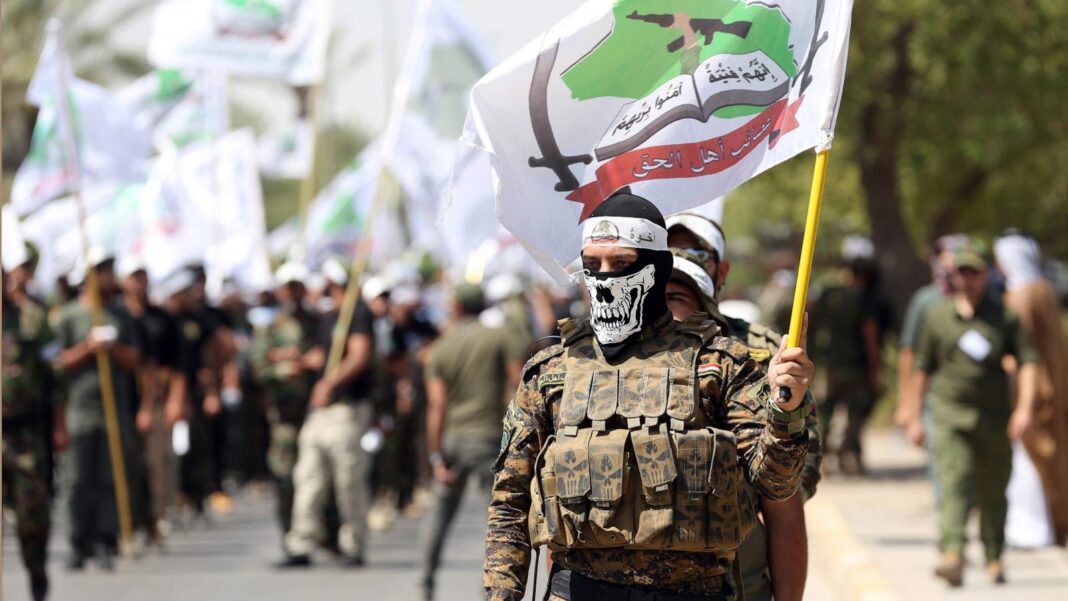
Nevertheless, some factions have shown signs of cooperation. Asaib Ahl al-Haq and Kataib al-Imam Ali announced the transfer of command over their armed brigades. Those units operate within the Popular Mobilization Forces.
The moves reflected increasing political and international pressure. Moreover, they highlighted divisions among Shiite armed factions.
Some groups believe changing conditions create opportunities inside state institutions. Consequently, they favor gradual integration and political participation.
Supporters of this approach hope to preserve influence through legal and economic channels. They also seek to adapt to shifting regional realities.
However, other factions reject that path. Kataib Hezbollah and Harakat al-Nujaba oppose discussions about disarmament. They argue that foreign military forces still maintain a presence in Iraq.
For those organizations, weapons represent more than military tools. They also symbolize political and ideological identity. Therefore, leaders view disarmament as a threat to their influence.
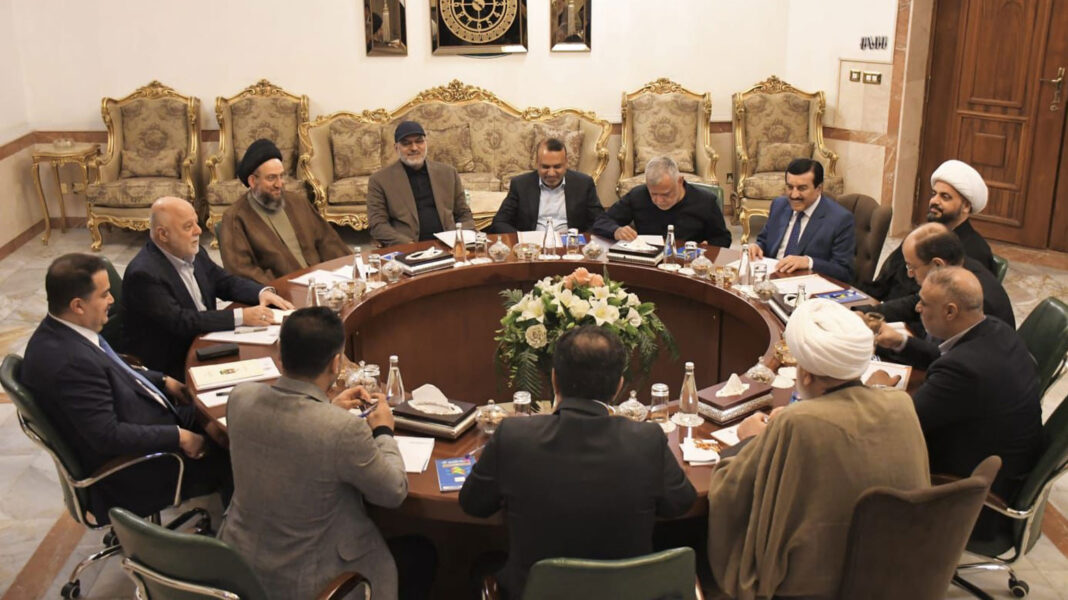
Additionally, disagreements have widened inside the factions themselves. Communication between several leaders has reportedly weakened. Sources indicated that some groups no longer coordinate closely because of opposing views.
The dispute has also spread across media platforms. Accounts linked to hardline factions criticized groups willing to cooperate with Baghdad. They portrayed any compromise as surrender to foreign pressure.
Security analyst Fadel Abu Ragheef described Iran’s position as predictable. He argued that Tehran views the resistance project as vital to its regional influence.
As a result, the struggle over Iraq’s weapons control has deepened divisions inside Iraq’s political landscape. Baghdad now faces competing demands from Washington and Tehran.
Despite these challenges, Ali al-Zaidi’s government continues to pursue its objective. Officials seek to avoid confrontation while preserving stability.
Furthermore, the government signaled that tougher measures remain possible. Authorities may classify groups that refuse state authority as illegal organizations.
Such a decision could lead to judicial action and security prosecution. Therefore, the debate surrounding Iraq’s weapons control will likely remain one of Iraq’s most sensitive issues.