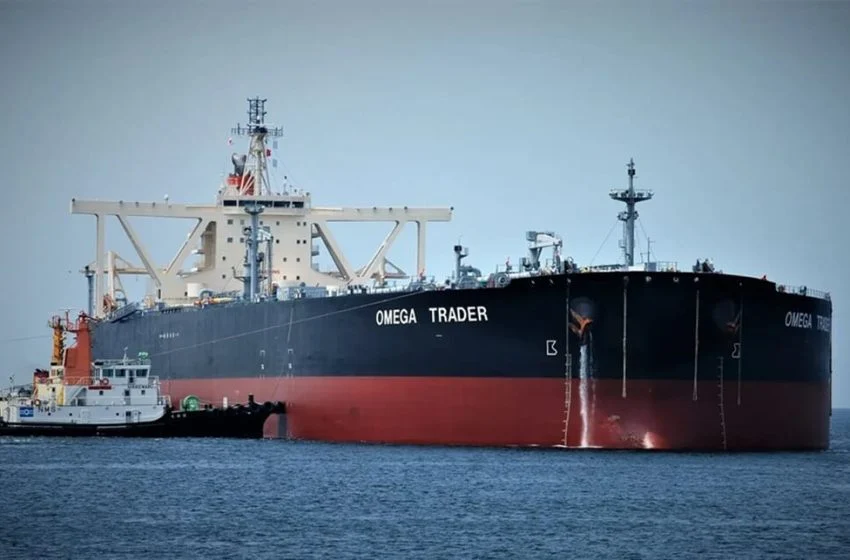
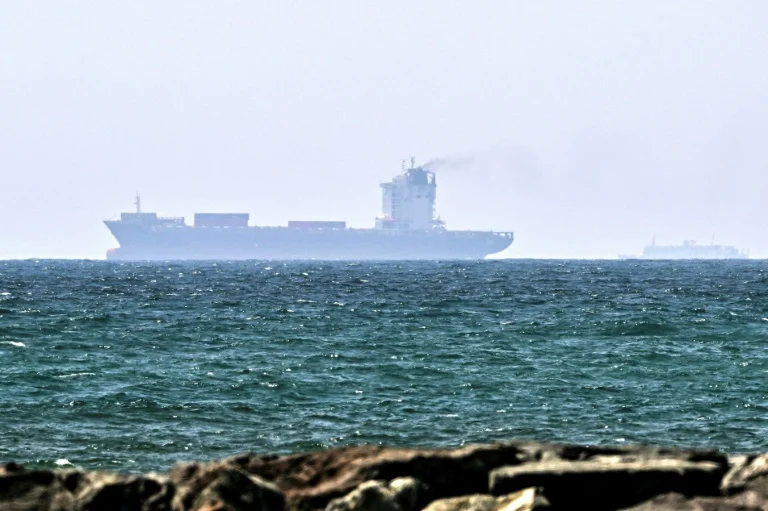
Iraq is stepping up efforts to diversify its oil export network after months of disruption in the Strait of Hormuz exposed the country’s heavy dependence on the strategic waterway.
The Iraq oil export routes 2026 strategy has become a national priority. Officials now view alternative export channels as essential to protecting state revenues and economic stability.
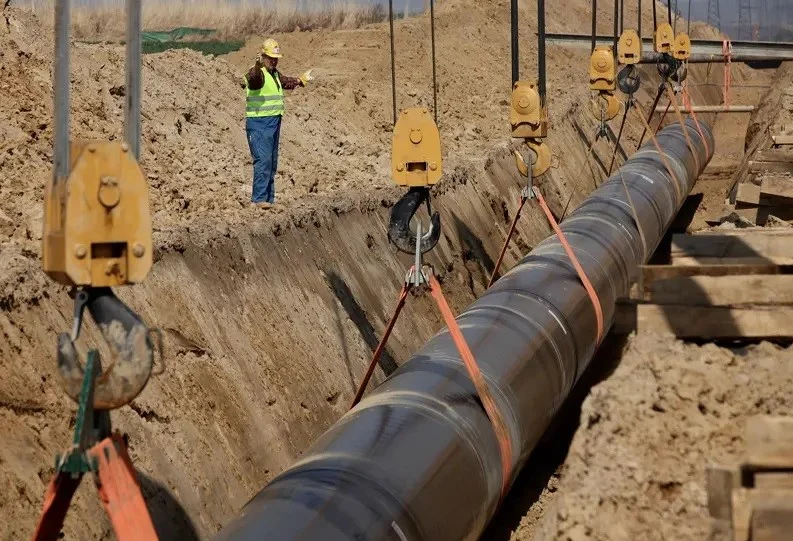
The Iraqi cabinet recently approved plans to significantly increase exports through the Kurdistan-Turkey pipeline system. Under the proposal, shipments could rise to around 770,000 barrels per day from approximately 220,000 barrels per day.
The pipeline links Iraqi oil fields to Turkey’s Mediterranean port of Ceyhan. Therefore, it has emerged as one of Baghdad’s most important alternatives to Gulf export terminals.
The Iraq oil export routes 2026 push comes as new data highlights the scale of the economic damage caused by the regional crisis that erupted earlier this year.
Since the conflict began, Iraqi oil exports have fallen sharply. Moreover, Iraq remains one of the countries most affected by disruptions in the Strait of Hormuz.
Statistics cited by QuantCube Technology showed that Iraq’s reliance on the waterway left the country especially vulnerable to shipping interruptions.
The economic consequences have been severe. Iraq depends heavily on oil revenues to support its economy and public finances.
In 2025, oil accounted for well over half of Iraq’s real gross domestic product. In addition, crude exports generated about 95 percent of government income.
Official figures previously released by Baghdad illustrated the extent of the disruption. Oil shipments through Hormuz fell from nearly 93 million barrels before the conflict to just 10 million barrels in April.
As a result, the government has faced increasing budget pressures. Furthermore, authorities have expanded borrowing to offset lower export revenues.
The Iraq oil export routes 2026 plan also includes greater use of overland transportation. In recent weeks, Iraqi officials organized large convoys of oil tankers through Syria.
The move aimed to maintain petroleum exports while reducing dependence on Gulf shipping lanes. Consequently, Baghdad has intensified efforts to secure additional outlets to international markets.
Meanwhile, Iraq has revived discussions surrounding long-delayed infrastructure projects. Officials continue exploring pipeline connections through Jordan and Syria.
They also seek to expand the Ceyhan export corridor through Turkey. Therefore, diversification efforts now extend beyond short-term emergency measures.
Other Gulf producers have benefited from alternative infrastructure. Saudi Arabia, for example, uses its East-West pipeline to transport crude to Red Sea ports.
Similarly, the United Arab Emirates exports oil through facilities in Fujairah, located outside the Strait of Hormuz.
However, Iraq lacks a comparable large-scale export infrastructure beyond the Gulf. Consequently, the country remains highly exposed to maritime disruptions and regional instability.
Although shipping activity through Hormuz has improved slightly, volumes remain below pre-crisis levels. Moreover, uncertainty continues to weigh on global energy markets.
Ultimately, the Iraq oil export routes 2026 initiative reflects a major strategic shift. For Baghdad, developing alternative export routes is no longer simply an infrastructure goal. Instead, it has become a critical requirement for safeguarding Iraq’s economic future.