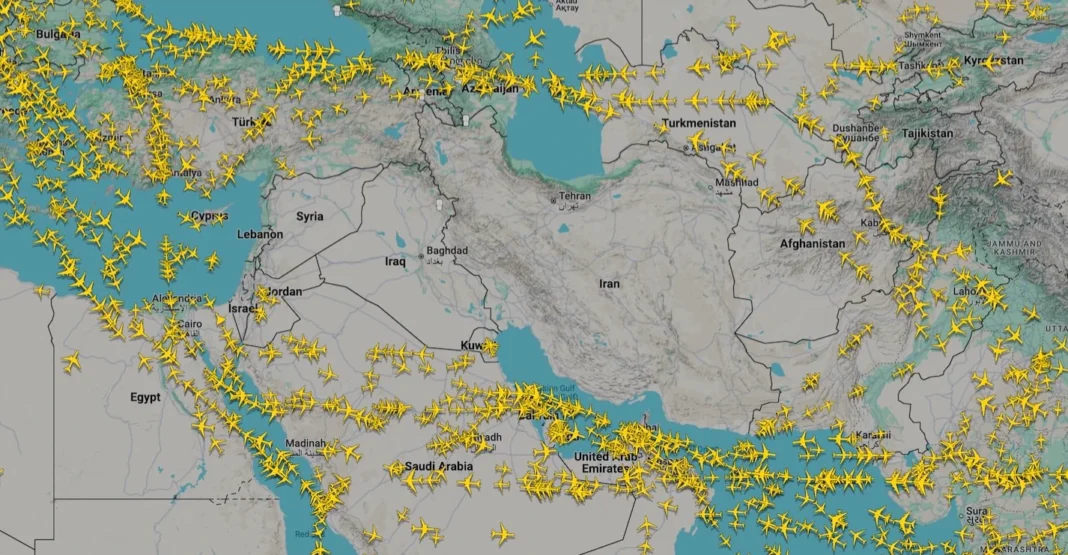
The Iraq airspace closure has returned as regional tensions continue to spill across borders. Once again, Iraq finds itself dealing with the consequences of a conflict it did not start. Moreover, the latest Iraq airspace closure has brought back fears of economic disruption and travel chaos. As a result, many Iraqis face uncertainty while regional powers exchange threats and military strikes.
Authorities shut Iraqi airspace for 72 hours. Therefore, no flights can enter or leave the country. Although the fighting continues elsewhere, Iraqis once again face the fallout.
On Sunday morning, Israeli strikes targeted the Dahieh district in southern Beirut. According to Lebanon’s Health Ministry, two people died, and 20 others suffered injuries. Meanwhile, reports indicated that American officials had privately urged restraint.
However, the strikes followed months of military activity inside Lebanon. In addition, Iran had warned for weeks that attacks on Beirut would trigger a response.
Later on Sunday, Iran answered with new threats. Furthermore, the Revolutionary Guards warned of stronger retaliation if tensions continued to rise. Even Donald Trump expressed frustration over the latest escalation. During an interview, Trump said he was unhappy with the situation.
At the same time, Syria closed its southern air corridors for 12 hours. Consequently, aviation routes across the region faced new restrictions.
Although Iraq had no role in the crisis, the country once again faces serious consequences. Iraqi authorities did not participate in the decisions that led to the confrontation. Nevertheless, Iraq now bears much of the economic burden.
Airports across the country have fallen silent. Therefore, thousands of travelers remain stranded. Many Iraqis who traveled for work, education, or medical treatment now face delays. In addition, uncertainty continues to grow.
Cargo shipments have also slowed. As a result, delays could affect food supplies and medical imports. Furthermore, market prices could rise if disruptions continue.
The oil sector also faces growing pressure. Export operations depend heavily on stability. However, uncertainty often increases shipping costs and complicates logistics. Consequently, investors may hesitate to expand projects inside Iraq.
The Iraq airspace closure also highlights deeper frustrations. For years, Iraq has struggled with repeated crises linked to regional conflicts. Although missiles pass overhead, ordinary citizens often carry the consequences.
Additionally, power shortages and economic pressures have already placed many families under strain. Currency concerns and energy disruptions have added to those challenges. Therefore, the latest developments have increased public anxiety.
Many Iraqis remember similar closures earlier this year. Previous disruptions affected travel and business activities for weeks. Consequently, concerns have returned.
The Iraq airspace closure serves as another reminder of Iraq’s vulnerable position. Although Baghdad seeks stability, regional tensions continue to affect daily life. Ultimately, Iraq’s economy and citizens remain exposed to conflicts beyond the country’s borders.
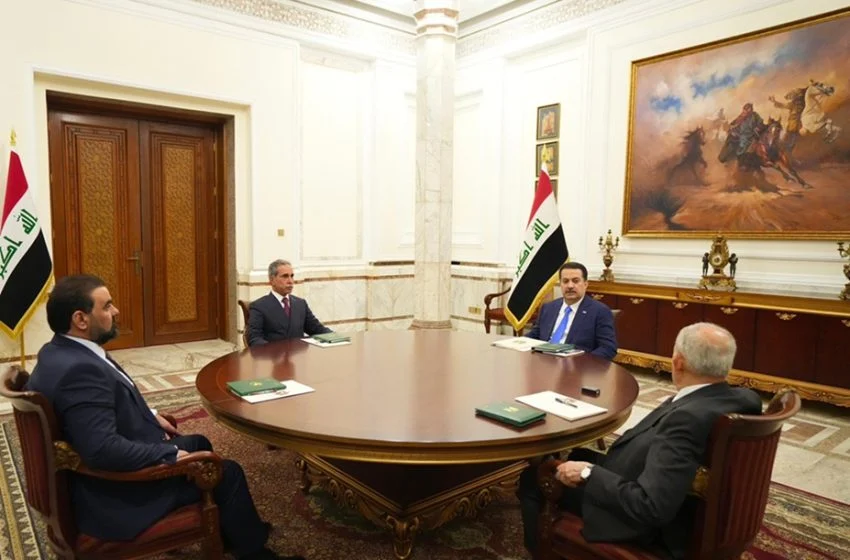
Meanwhile, Baghdad has not issued a detailed public response regarding Sunday’s events. Nevertheless, many observers believe the government’s silence reflects the difficult position Iraq faces amid rising tensions.