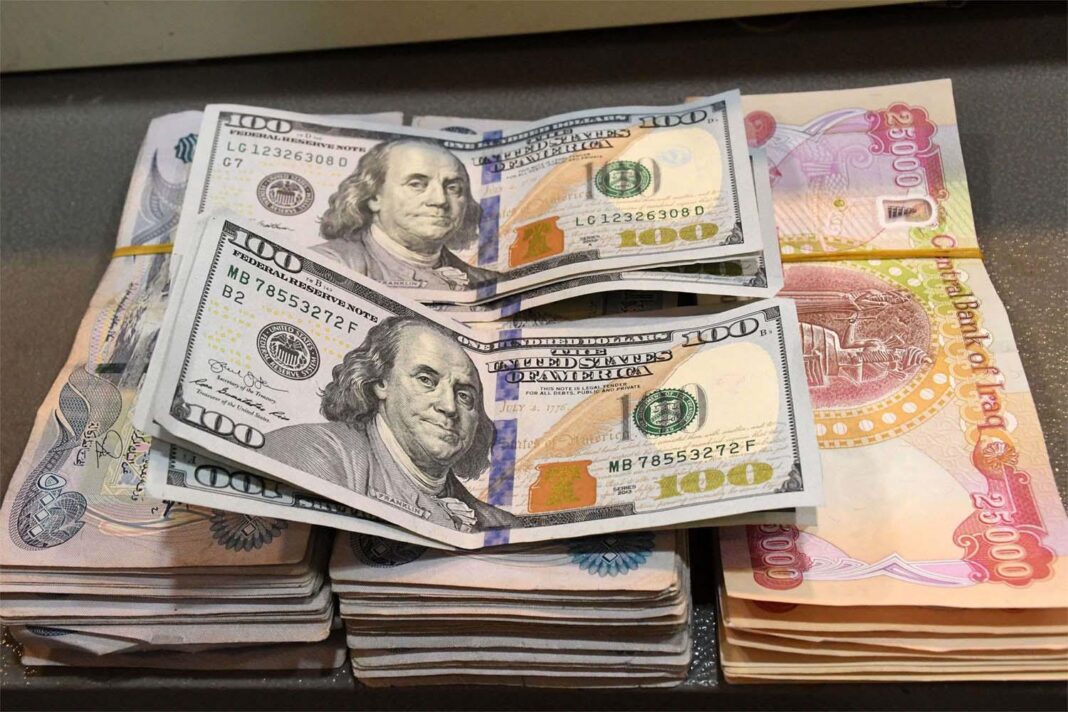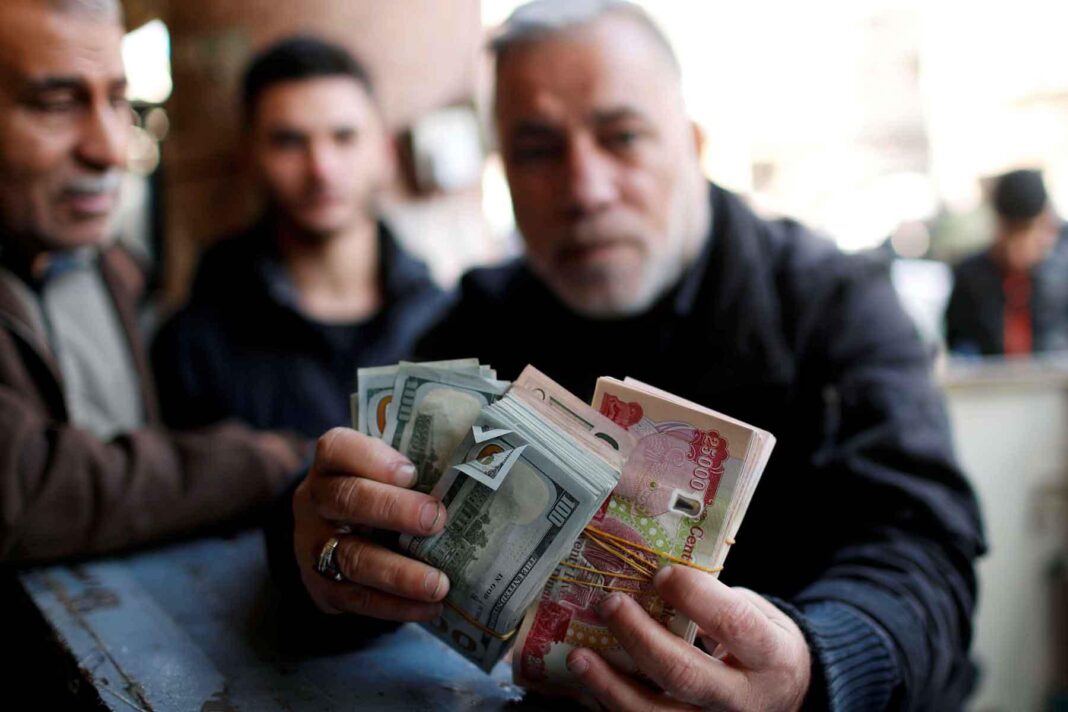
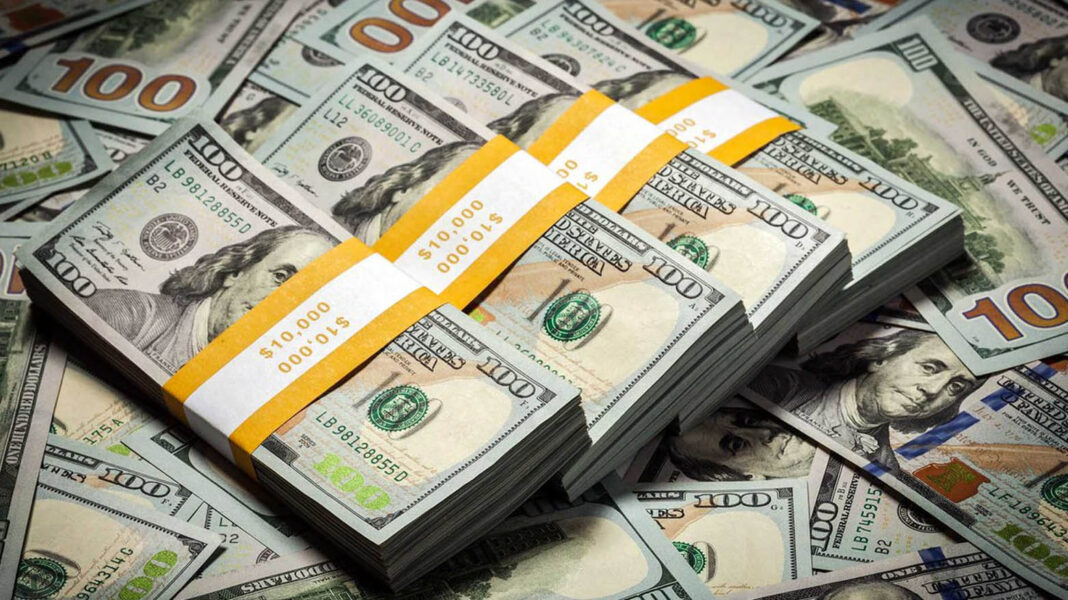
Washington has restarted some air shipments of U.S. dollars to Baghdad after a months-long suspension.
The move gives Iraq renewed access to part of its own oil-sale funds. Moreover, it eases one of the most sensitive financial disputes between Baghdad and Washington.
Iraqi officials said the issue has now moved toward resolution. Additionally, financial advisers confirmed that dollar transfers have restarted.
The United States had stopped the shipments to pressure Baghdad during a tense political period. Washington wanted Iraq to reduce Tehran’s influence over state decisions.
The Iraq dollar shipments issue also involved concerns over armed groups linked to Iran. U.S. officials pressed Baghdad to bring those groups under tighter state control.
At the same time, Washington limited financial cooperation with Iraq’s security services. Iraqi officials said those security-related restrictions continue.
The dollar shipments matter because Iraq earns major revenue from oil sales. Much of that money moves through U.S.-linked financial channels before Baghdad receives dollars.
Iraq keeps large foreign currency reserves at the Federal Reserve Bank of New York. Therefore, Washington plays an important role in Iraq’s dollar access.
Baghdad and Washington previously agreed on stricter banking rules. These rules require more transparency in transfers from Iraq’s foreign currency reserves.
The two sides wanted to reduce illegal dollar movement. They also wanted to block money laundering, criminal networks, and financing for armed groups.
As a result, Iraq’s banking sector came under stronger monitoring. Banks faced pressure to improve compliance and report suspicious transfers.
However, the suspension created serious pressure for Baghdad. Dollar supply affects markets, exchange rates, trade, and public confidence.
When dollar access slows, traders often face higher costs. Consequently, local markets can feel pressure through prices and exchange activity.
The restart may help calm financial concerns. It also signals a limited improvement in relations between Washington and Baghdad.
Still, the wider dispute has not fully ended. U.S. officials continue to watch Iraq’s banking system and armed groups closely.
Prime Minister Ali Al-Zaidi has moved to address some American concerns. He ordered armed groups to come under state authority.
His government also set a deadline for groups to surrender unlicensed weapons. Officials want the state to control arms through official committees.
Moreover, Al-Zaidi plans to discuss financial and investment issues during a visit to Washington. Iraqi officials expect talks on a major financial guarantee in the United States.
The guarantee could carry major importance for Iraq’s economic planning. It may also affect future investment talks and financial stability.
Iraq’s dollar shipments come at a critical moment for the government. Baghdad needs steady dollar flows to support trade and market confidence.
In addition, the government wants better relations with Washington without creating more tension with Tehran. That balance remains difficult for Iraqi leaders.
Iraq depends heavily on oil revenue for public spending. Therefore, any disruption to dollar channels can create economic and political problems.
The restart does not remove all risks. However, it gives Baghdad more room to manage financial pressure.
Going forward, Iraq must strengthen its banking controls and financial institutions. It also needs to prove that dollar transfers follow transparent rules.
For now, Iraq’s dollar shipments have returned to the center of Baghdad’s economic agenda. The decision may ease pressure, but deeper questions remain.