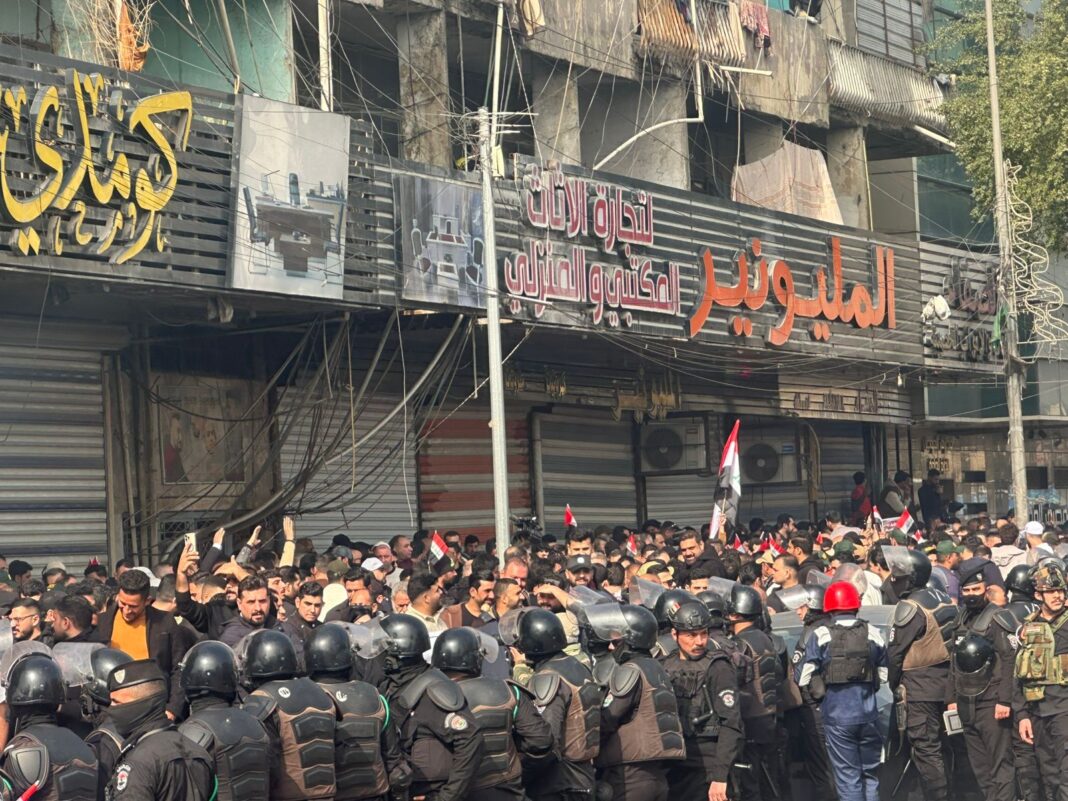
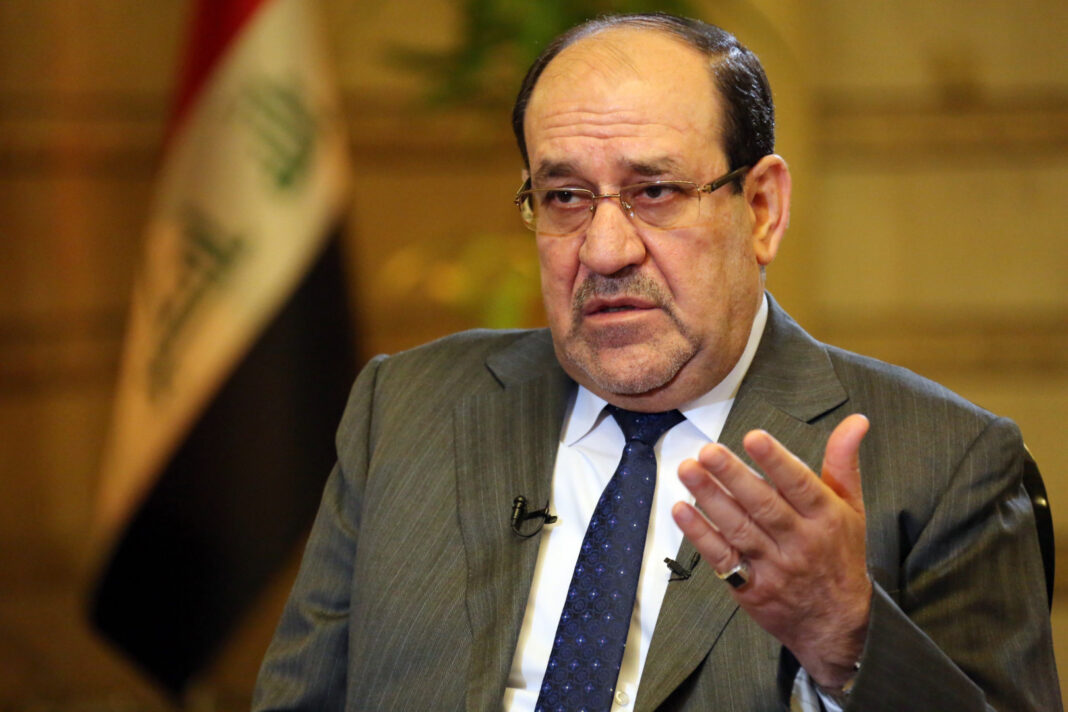
Baghdad political leader Nouri al-Maliki stressed Wednesday that Iraq’s stability depends on state-controlled weaponsand a unified army representing all communities. He said these measures will help end years of violence and insecurity. Al-Maliki described them as essential for rebuilding the country and ensuring citizens live in safety and dignity.
“The de-escalation of tensions, stronger cooperation, enforcing the rule of law, and restricting arms to the state, alongside one army that includes all segments of society, are the foundation for a stable Iraq,” he said. He added that citizens have suffered enough and deserve a secure environment.
Al-Maliki emphasized that stability is vital to attract investment, create jobs for youth, and advance reconstruction across Iraq. “A secure state motivates businesses and supports long-term development,” he noted. Analysts say these steps are crucial amid rising regional tensions and political deadlock.
Political friction within the Coordination Framework has intensified in recent weeks. Al-Hikma Movement led by Ammar al-Hakim and Asaib Ahl Al-Haq under Qais al-Khazali expressed reservations about Al-Maliki’s nomination. Sunni groups such as the Taqadum Alliance, led by Mohammad al-Halbousi, also oppose his bid. Meanwhile, the United States warned that Washington could halt cooperation with Iraq if he assumes the premiership.
Despite these pressures, political sources indicate that Al-Maliki has backing from major Kurdish parties, including the Kurdistan Democratic Party and the Patriotic Union of Kurdistan. Certain segments of the Sunni National Political Council also support him.
In a recent television interview, Al-Maliki said he would not withdraw due to foreign pressure. He claimed that US President Donald Trump had been misled about his third-term ambitions by both foreign and domestic actors. However, Al-Maliki stated he could step aside if the Coordination Framework’s majority requested it.
Al-Maliki previously served as Iraq’s prime minister from 2006 to 2014. His tenure saw severe security challenges, including the rise of ISIS in 2014, which captured large territories. Experts note that his experience gives him insight into managing national security and promoting political stability.
Observers warn that Iraq’s current deadlock, internal disputes, and foreign pressure make enforcing state-controlled weapons and building a unified army more urgent than ever. Al-Maliki’s message underscores the connection between security, political cohesion, and economic recovery.
Ultimately, restoring Iraq’s stability requires coordinated leadership, responsible security measures, and inclusive governance. Analysts believe that state-controlled weapons and a representative army remain critical pillars for lasting peace.