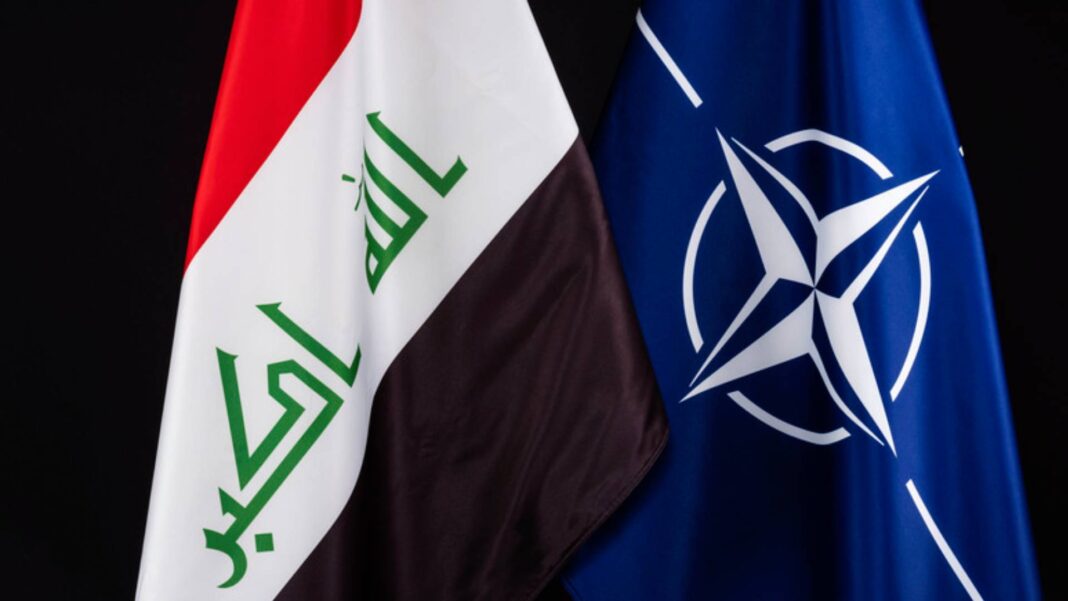
The NATO mission in Iraq remains committed to helping Iraqi security institutions develop stronger capabilities. Alliance officials confirmed their continued support on Saturday. The statement came amid questions about the future of NATO training programs in Iraq.
According to a NATO official, the mission continues to operate as a non-combat initiative. Instead, the alliance focuses on advising Iraqi forces and strengthening security institutions. The program also supports efforts to improve transparency and effectiveness within Iraq’s defense sector.
Furthermore, NATO aims to help Iraq build sustainable security structures. Officials believe stronger institutions can improve national stability and reduce security risks. They also stress the importance of preventing terrorist groups from regaining influence.
The NATO mission in Iraq plays a key role in developing local capabilities. Rather than conducting combat operations, personnel provide guidance and professional expertise. As a result, Iraqi forces can strengthen their ability to address security challenges independently.
Questions about NATO’s future role emerged after recent regional developments. In late March, the alliance withdrew personnel from Iraq following growing tensions in the region. The decision followed the outbreak of a wider conflict involving the United States, Israel, and Iran.
The conflict created new security concerns across the Middle East. Consequently, several international organizations reviewed their operations in the region. Despite those challenges, NATO has continued to emphasize its commitment to Iraq’s long-term security goals.
Iraq first requested NATO assistance in 2018. Following that request, the alliance established its advisory mission in Baghdad in October of the same year. Since then, NATO advisers have worked closely with Iraqi institutions on defense reform and capacity building.
Additionally, the mission focuses on creating professional and accountable security structures. NATO officials argue that strong institutions help countries respond more effectively to emerging threats. Therefore, training programs remain a central part of the alliance’s work in Iraq.
Counterterrorism continues to represent another major priority. Iraqi forces have made significant gains against ISIS in recent years. However, security experts warn that extremist groups could attempt to rebuild their networks. Because of this risk, international partners continue supporting Iraq’s security efforts.
The NATO mission in Iraq also reflects broad international cooperation. Personnel from all NATO member states contribute to the initiative. In addition, partner nations such as Austria and Australia participate in mission activities.
Meanwhile, cooperation between NATO and Iraqi institutions remains ongoing. Officials continue discussions on future training requirements and security priorities. Both sides aim to strengthen professional capabilities and improve long-term stability.
As regional dynamics continue to evolve, NATO officials maintain their support for Iraq’s security sector. They believe strong institutions, effective training, and continued cooperation can help Iraq address future challenges. Consequently, the alliance plans to continue its advisory role while helping Iraqi forces build lasting security capabilities.