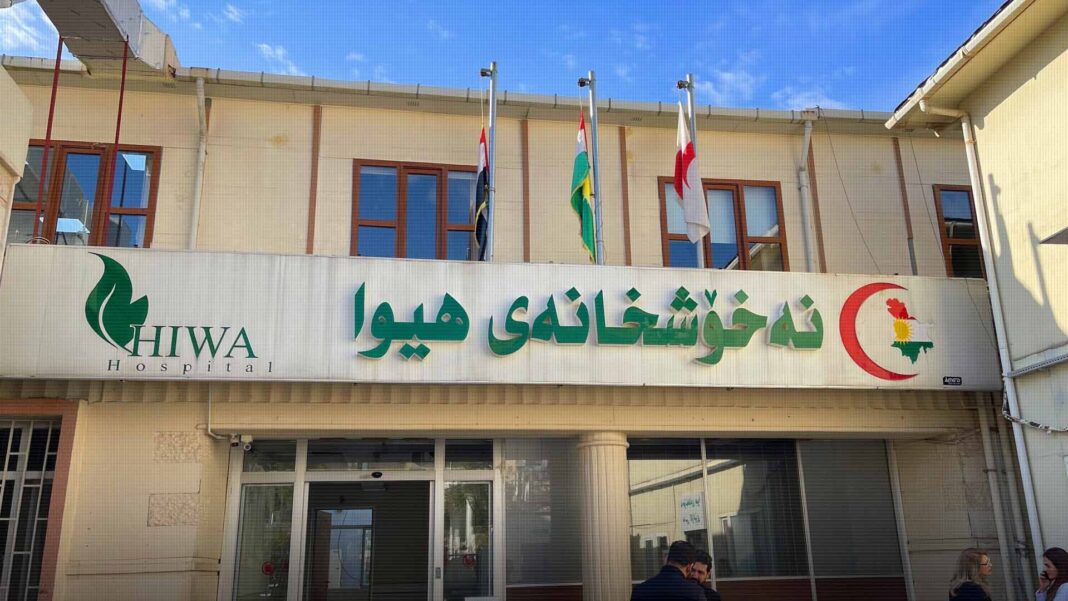
A major healthcare milestone emerged in Sulaymaniyah as the Kurdistan Region introduced Iraq’s first fully integrated digital cancer care system. Moreover, Hiwa Hospital has officially launched an advanced platform to modernize cancer treatment services nationwide.
The digital cancer care system in Kurdistan marks a significant step toward improving medical efficiency and patient access. In addition, hospital officials described it as a breakthrough in Iraq’s digital transformation of healthcare.
Hospital director Yad Naqshbandi presented the system during a press conference on Monday. Furthermore, he explained that the new platform connects patient registration, medical records, and treatment data in one secure system.
The digital cancer care system in Kurdistan allows patients inside and outside Iraq to access test results easily. Consequently, patients can receive medical instructions directly through mobile phones without delays.
In addition, the platform supports multiple languages, including Arabic and English. Therefore, it ensures wider accessibility for patients from different regions.
Hospital officials also confirmed that the system reduces the risk of lost or incomplete medical files. Moreover, it streamlines administrative procedures and improves hospital workflow.
According to Naqshbandi, Hiwa Hospital currently stores nearly 60 million electronic medical records. Furthermore, the system operates under strict cybersecurity and data protection standards.
The hospital also introduced five modern scalp cooling devices. These devices aim to reduce hair loss among women undergoing chemotherapy.
As a result, doctors expect improved psychological well-being for many cancer patients. Additionally, the technology helps patients maintain confidence during treatment.
The digital cancer care system in Kurdistan will also expand to other hospitals. For example, Nanakali Hospital and additional medical centers may soon adopt the same platform.
Health data highlights the urgent need for advanced cancer services. In 2025, officials recorded 10,481 cancer cases in the Kurdistan Region.
Moreover, nearly 40% of patients came from other Iraqi provinces for treatment. Therefore, the region continues to serve as a major healthcare hub.
Across Iraq, authorities registered more than 43,000 cancer cases in 2024. Lung, colorectal, and leukemia cancers affected most male patients.
Meanwhile, breast, thyroid, and colorectal cancers remained the most common among women. Consequently, healthcare demand continues to rise across the country.
Experts believe digital systems will improve early detection and treatment outcomes. Furthermore, faster access to records allows doctors to make better clinical decisions.
Ultimately, the digital cancer care system in Kurdistan represents a major shift toward modern healthcare delivery. Moreover, it signals a new era of medical innovation in Iraq.