The customs unification agreement returned to the spotlight after the Kurdistan Regional Government urged Baghdad to hold an emergency economic meeting. Officials in Erbil want the Iraqi federal government to finalize the delayed trade framework immediately. The agreement aims to modernize customs systems and strengthen commercial coordination between both sides.
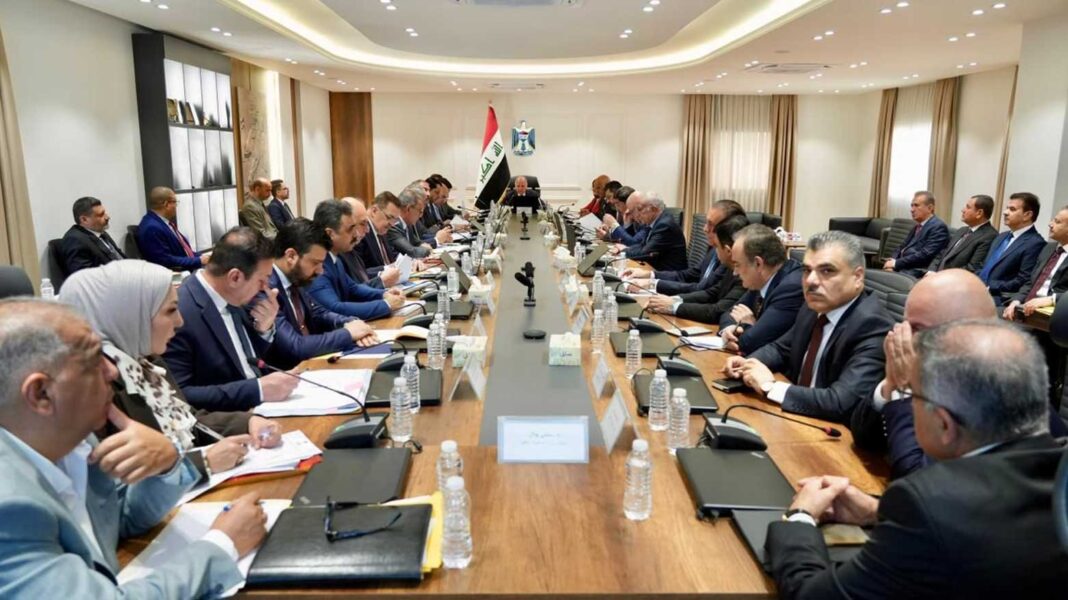
A senior trade official confirmed that the Kurdistan Regional Government formally requested an urgent session of Iraq’s Ministerial Council for the Economy. The meeting would address unresolved disputes and approve the long-delayed framework.
Earlier this year, Erbil and Baghdad agreed to introduce the United Nations-backed Automated System for Customs Data, known as ASYCUDA, across border crossings in the Kurdistan Region. Leaders from both governments said the move would improve customs operations and support trade modernization.
However, officials still have not finalized the framework. Gilan Haji Said, head of Erbil’s Chamber of Commerce and Industry, said the economic council has not yet met to approve the understanding. He added that delays continue despite ongoing coordination between federal and regional committees.
In mid-April, the Kurdistan Regional Government submitted a formal proposal to the Iraqi cabinet. The proposal requested immediate action to complete the implementation process.
Furthermore, the proposal included several major demands. Regional officials requested bilingual customs tariffs in Kurdish and Arabic. They also asked Baghdad to provide Kurdish traders with access to U.S. dollars at Iraq’s official exchange rate.
In addition, the proposal called for joint inspections of unofficial border crossings in the Kurdistan Region. Officials want both governments to legalize and integrate those crossings into Iraq’s federal customs system.
The Kurdistan Regional Government also pushed for mutual recognition of trade licenses and tax certificates. Officials believe this step would reduce complications for companies operating between Erbil and Baghdad.
Meanwhile, federal authorities have not yet approved the plan formally. As a result, implementation of the customs unification agreement remains stalled.
The ASYCUDA system first emerged during the early 1980s through the United Nations Conference on Trade and Development. Iraq currently uses the electronic customs system at 22 federal border crossings, including southern ports.
Officials from Baghdad and Erbil created four joint committees to complete the final details of the agreement. These committees focus on commerce, legal procedures, and technical customs coordination.
At the same time, negotiations continue over customs revenues and treasury allocations. Both governments seek a formula that increases Iraq’s non-oil income while protecting regional administrative authority.
Haji Said confirmed that committee meetings continued until last week. He also stressed the importance of practical measures for traders seeking dollars at the official exchange rate.
Political observers believe the customs unification agreement could improve trade stability between Erbil and Baghdad if leaders finalize the remaining disputes quickly.