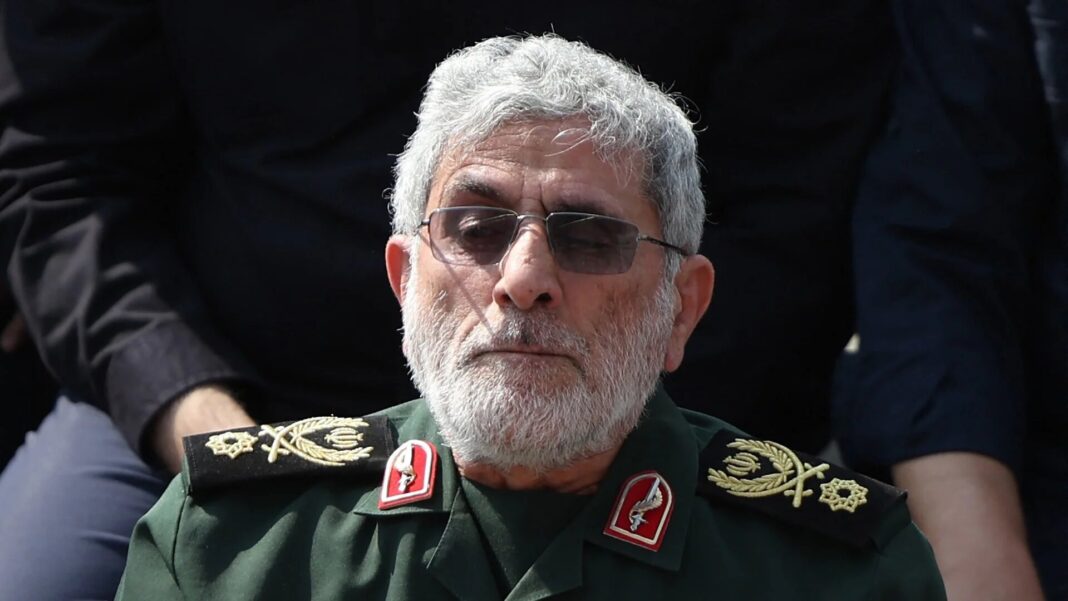
Esmail Qaani’s visit to Iraq began on Saturday when Iran’s top commander arrived in Baghdad. Iraqi officials confirmed that he met political leaders and armed faction representatives. Moreover, discussions focused on regional tensions and Iraq’s ongoing political crisis. As a result, the visit drew strong attention in political circles.
In Baghdad, Qaani held talks with senior political figures. He discussed the Middle East conflict and its impact on Iraq. Additionally, he reviewed security coordination between allied groups. Therefore, leaders focused on both stability and regional developments.
Esmail Qaani’s visit to Iraq also included meetings with commanders of armed factions. Sources said he aimed to improve coordination among Tehran-backed allies. Moreover, he worked to prevent further escalation inside Iraq. In addition, discussions stressed the need for calm during regional tensions.
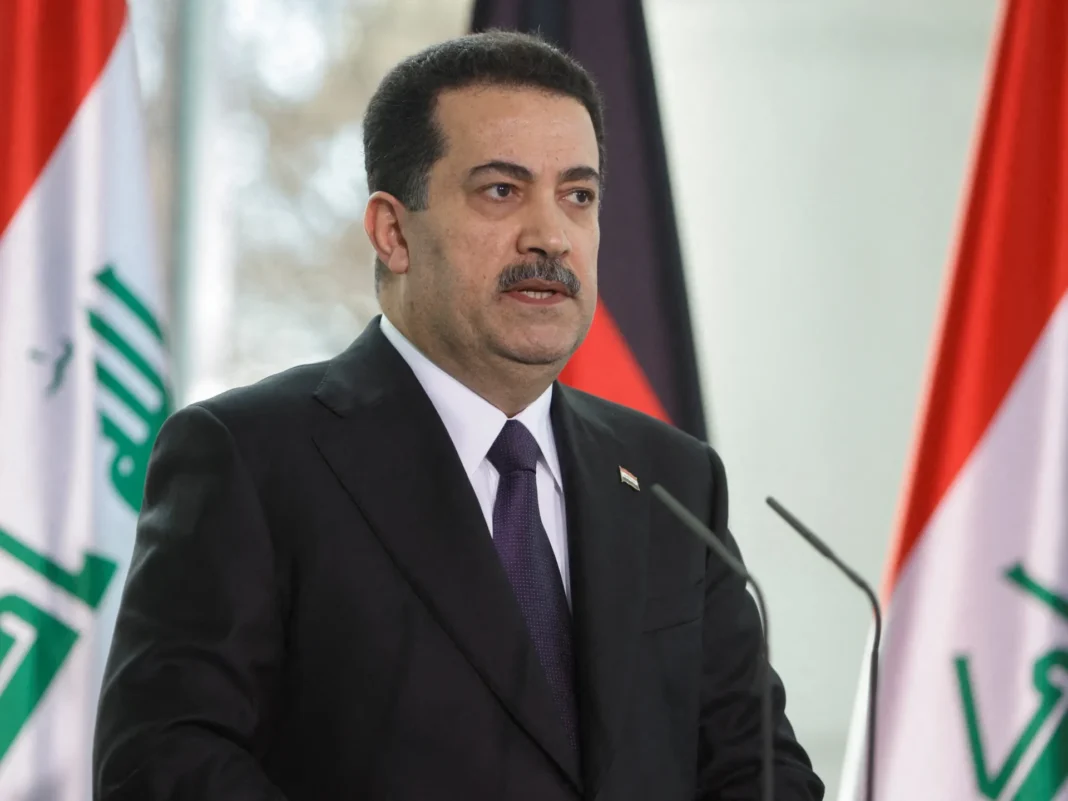
The visit also addressed Iraq’s political deadlock. Leaders continue to disagree over the next prime minister. Furthermore, delays have increased uncertainty in government formation. Therefore, talks focused on possible solutions to move forward.
Qaani also met members of the Coordination Framework. This alliance includes several Shia political groups with ties to Iran. Moreover, discussions focused on reducing internal divisions. As a result, leaders explored ways to support unity among factions.
Esmail Qaani’s visit to Iraq highlighted Iran’s efforts to encourage dialogue between Iraqi parties. Officials said these efforts aim to bridge political differences. In addition, they support stability during sensitive conditions. Therefore, mediation efforts continue across Baghdad’s political scene.
Regional observers linked the visit to broader diplomatic tensions. They noted rising pressure over security coordination in Iraq. Moreover, external influences continue to shape local politics. As a result, negotiations remain complex and ongoing.
Overall, Esmail Qaani’s visit to Iraq reflected both security and political concerns. Moreover, it showed ongoing regional involvement in Iraq’s internal affairs. Thus, leaders continue discussions to address instability and government formation delays.