Iraq-Gulf drone tensions intensified on Sunday as Saudi Arabia summoned Iraq’s ambassador in Riyadh. The move signaled growing concern over regional security. Moreover, Iraq-Gulf drone tensions have become a central issue in diplomatic discussions.
Saudi officials raised alarm over repeated drone threats targeting Gulf states. These drones reportedly launched from Iraqi territory. As a result, tensions increased between Baghdad and Gulf capitals. Furthermore, officials demanded immediate action to prevent further escalation.
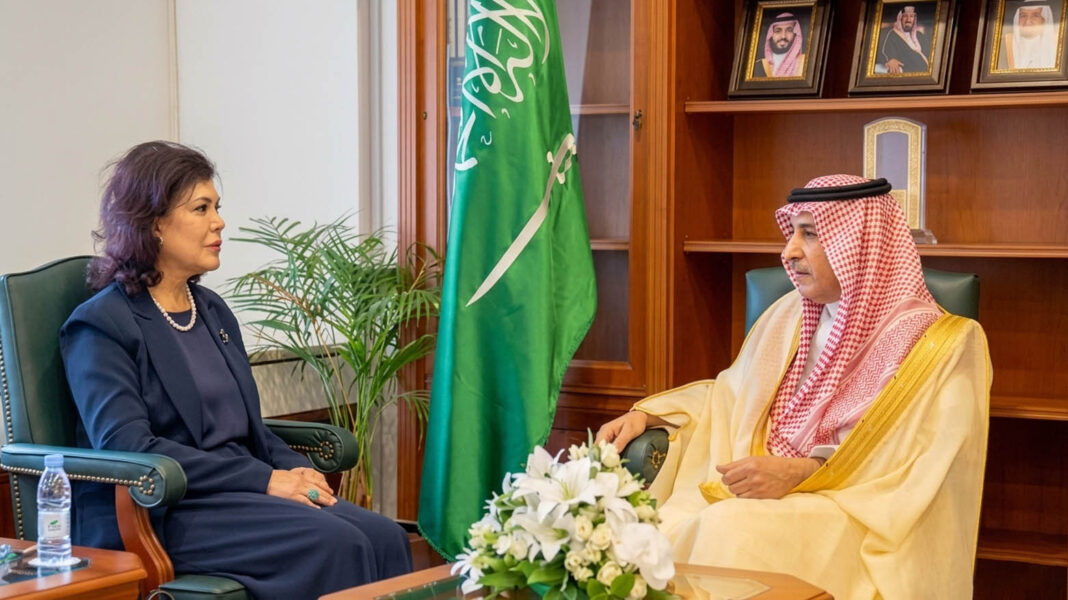
During the meeting, Saud Al-Sati delivered a formal protest to Safia Taleb Al-Suhail. He clearly condemned the ongoing attacks. In addition, he stressed the need for Iraq to address security failures. Therefore, diplomatic pressure on Baghdad continues to grow.
Saudi Arabia emphasized its commitment to protecting national security. Officials stated they will take necessary measures to defend their territory. Consequently, the warning reflects a firm stance against further threats. Meanwhile, Gulf countries closely monitor the situation.
At the same time, Iraq faces increasing regional pressure. Political analysts argue that internal divisions complicate the response. Moreover, armed groups operating within Iraq continue to influence security dynamics. As a result, the government struggles to fully control these actors.
The broader regional context adds further complexity. Iraq has become entangled in tensions linked to the conflict involving Iran and Israel. Consequently, Iran-aligned groups have expanded their operations. These groups have targeted military bases and diplomatic sites across the region.
In addition, energy infrastructure has faced repeated threats. Such attacks raise concerns about global energy stability. Therefore, international stakeholders continue to watch developments closely. Iraq-Gulf drone tensions now carry implications beyond the region.
Furthermore, diplomatic efforts aim to prevent further escalation. However, disagreements over responsibility remain unresolved. Some Gulf officials call for stronger enforcement measures. Meanwhile, Iraqi leaders emphasize sovereignty and internal challenges.
Despite ongoing talks, uncertainty continues to shape the situation. Iraq-Gulf drone tensions highlight the fragile balance in regional politics. Moreover, they reveal the risks of unchecked militia activity. Ultimately, both sides must pursue dialogue to avoid further confrontation.