Iraq’s food supply remains stable as officials continue nationwide distribution efforts. Authorities aim to support markets and prevent shortages. Moreover, the government works to maintain consistent access to essential goods.
To begin with, the Iraqi Ministry of Trade confirmed ongoing food basket deliveries. Officials stated that distribution continues without interruption. They also emphasized that current reserves can meet both regular and emergency demand.
In addition, supply teams deliver food baskets across all provinces. This approach helps reduce price volatility in local markets. As a result, families receive essential items regularly.
Furthermore, Iraq’s food supply remains stable due to strong planning and execution. Last year, authorities completed ten full food basket cycles. They also distributed ten flour rations during the same period. This consistent pace reflects a structured government program.
Officials plan to maintain this level of distribution in the current year. They believe steady supply chains will strengthen food security. At the same time, they continue to monitor market conditions closely.
Meanwhile, government agencies actively supervise storage and delivery operations. Teams ensure that supplies reach eligible households. They also verify that quantities match domestic demand levels. Therefore, oversight plays a key role in maintaining stability.
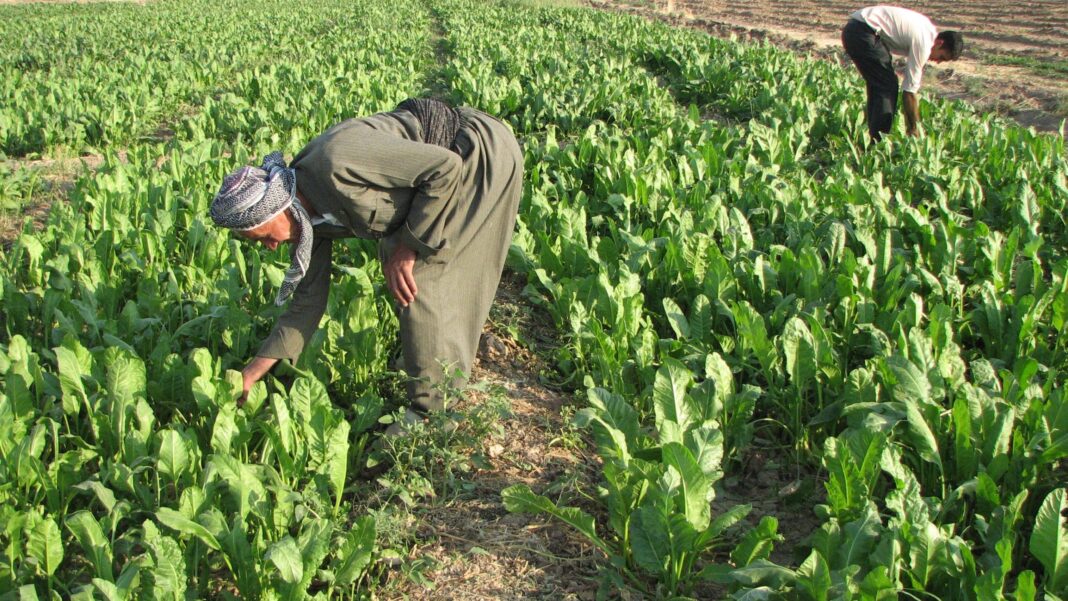
On another front, the Iraqi Ministry of Agriculture resumed crop imports after the local harvest season ended. This decision aims to fill gaps in domestic production. Officials noted that supply levels declined for several vegetables.
Specifically, authorities approved imports of cabbage, cauliflower, turnip, beetroot, and lettuce. These crops support daily consumption needs across the country. In addition, the Ministerial Council for the Economy backed this decision to stabilize markets.
Consequently, Iraq’s food supply remains stable as both ministries coordinate efforts. Trade officials manage distribution, while agriculture authorities secure supply sources. This cooperation strengthens the overall system.
Finally, analysts expect these measures to limit price increases. They also believe continued imports will balance supply and demand. If policies remain consistent, Iraq may sustain food security in the coming months.