The Kurdistan Region drone attacks intensified sharply this week as armed groups launched a wave of strikes across northern Iraq. The escalation unfolded as regional tensions deepened during the wider Iran-Israel-U.S. conflict.
Iran-aligned Iraqi armed groups launched nearly 40 drone and missile attacks within 48 hours. The strikes targeted several areas across the Kurdistan Region, especially the major cities of Erbil and Sulaimani.
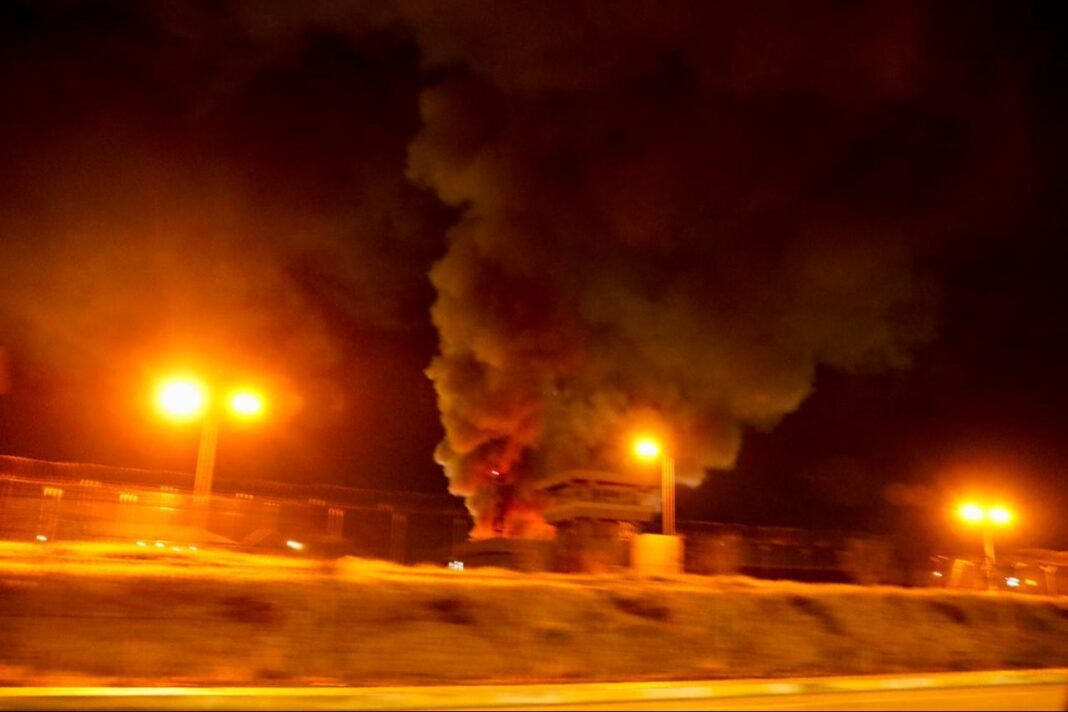
Monitoring reports show that the attacks began on Wednesday and continued into Thursday morning. According to tracking by Rudaw, observers recorded 40 attacks since Wednesday, including 23 incidents since early Thursday. Security forces in Sulaimani confirmed one of the latest strikes on Thursday morning. The local Asayish agency reported drone activity in the eastern districts of the province.
Drones struck the Peshmerga Command of Region One and the Qalawa neighborhood in central Sulaimani. The blast slightly injured a child and caused minor property damage in nearby residential areas. Authorities counted five attacks in Sulaimani province during the recent wave. However, Erbil province experienced a much larger number of strikes.
Armed groups launched 18 attacks across Erbil province, mostly using drones. Many of those drones targeted the United States diplomatic compound and coalition facilities. Several drones are headed toward the Erbil International Airport, where coalition forces operate against the militant group Islamic State.
Air defense systems intercepted most of the incoming drones before impact. Nevertheless, falling debris was scattered across nearby districts and residential areas.
Residents reported drone fragments near Saad Abdullah Hall and along the airport perimeter. Debris also landed in Kani Qirzhala, Bahirka district, and Korean Village. Emergency teams secured those locations shortly after the interceptions. Authorities then inspected buildings and infrastructure for possible damage.
However, the recent attacks represent only part of a broader escalation. Monitoring groups say the Kurdistan Region has endured 268 drone and missile attacks since February 28. Erbil and the surrounding areas absorbed the largest share of the strikes. Officials counted 223 attacks targeting the province during that period.
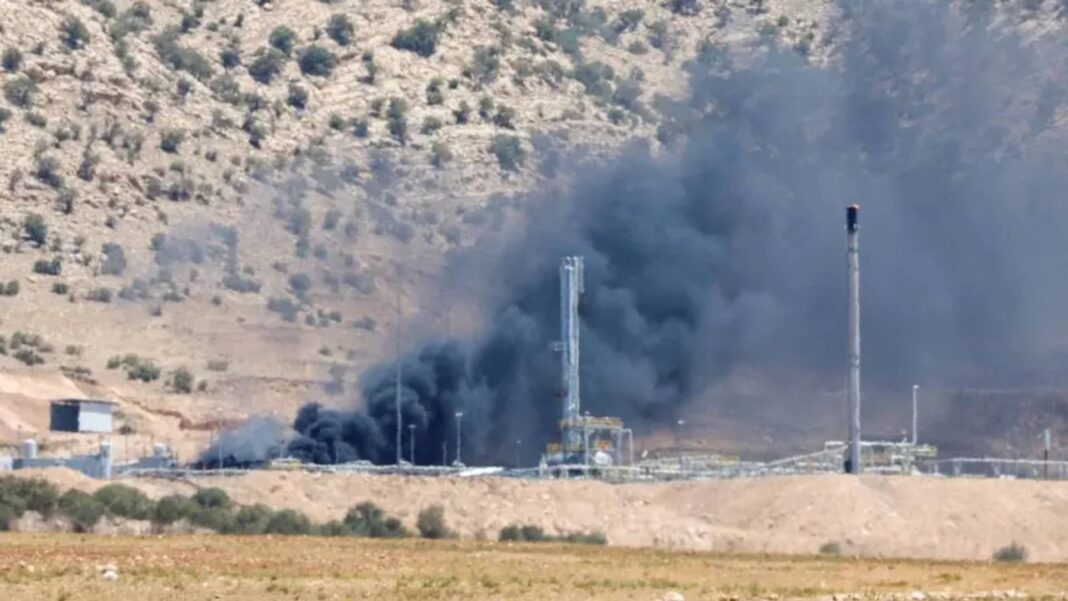
Meanwhile, Sulaimani province experienced 39 attacks. Northern Duhok province recorded three incidents involving four drones. Eastern Halabja province experienced the fewest attacks. One incident there involved two drones striking Mount Shinrwe on March 7.
The strikes have also caused casualties across the region. One Asayish officer died during an earlier attack at Erbil International Airport. Additionally, four Peshmerga fighters linked to Iranian Kurdish opposition groups died during separate strikes. Two of those deaths occurred in Erbil, and two occurred in Sulaimani.
The attacks injured at least 24 people across several provinces. The wounded include security personnel, guards, and civilians.
Among the injured civilians are a delivery driver in Erbil and a nurse working in Koya. A resident at Bajid Kandala camp in Zakho also suffered injuries. A child in the Qalawa neighborhood of Sulaimani required treatment after the latest drone strike. Several explosions damaged nearby homes and streets.
Moreover, at least 14 Peshmerga fighters from Iranian Kurdish parties sustained injuries in separate incidents linked to the conflict. Officials say the Kurdistan Region drone attacks reflect rising geopolitical tensions across the Middle East. The escalation began after fighting intensified between Iran, Israel, and the United States.
Iranian Kurdish opposition groups often operate near the border areas. Iran frequently accuses these groups of threatening its national security.
At the same time, Iran-aligned Iraqi militias have claimed responsibility for many attacks targeting coalition sites. These groups often direct drones toward the U.S. Consulate and military facilities. International forces in the region also reported additional incidents during the same period. A missile struck an Italian military base overnight during the wave of attacks.
Italy’s defense authorities confirmed the strike but reported no casualties among their personnel.
Despite interceptions and rapid security responses, the Kurdistan Region drone attacks continue to raise alarm among officials and residents. Authorities warn that further escalation could threaten civilian safety and regional stability.