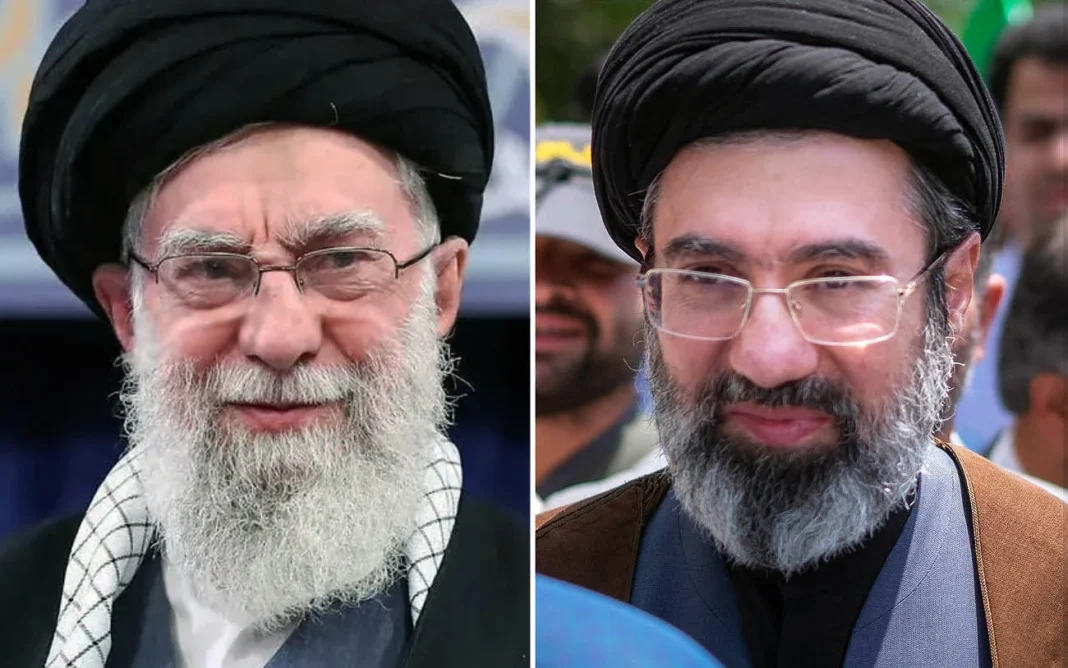
Iraqi political leaders have reacted swiftly to Iran’s announcement of the new Supreme Leader. On Monday, prominent figures from multiple parties expressed their support and highlighted the significance of this leadership transition. The selection of Mojtaba Khamenei marks a key moment in Iran’s ongoing political landscape.
Ammar al-Hakim of the al-Hikma Movement conveyed condolences over Ali Khamenei’s death. He said Mojtaba’s appointment continues the legacy of his father and forefathers. Al-Hakim emphasized the principles of sacrifice and struggle as central to this new era. In his view, the new Supreme Leader represents continuity and stability for the Iranian nation.
Abu Alaa al-Walaei, Secretary-General of Kataib Sayyid al-Shuhada, praised the enduring nature of Iran’s guardianship system. He explained that the leadership approach remains deeply rooted in the nation and will continue to influence the region. Al-Walaei also underscored the importance of unity during this period of transition.
Adnan al-Dulaimi, First Deputy Speaker of the Iraqi Parliament and member of Asaib Ahl Al-Haq, highlighted the selection as a defining moment in Iran’s political trajectory. He expressed solidarity with Tehran following what he described as external aggression. Al-Dulaimi stressed that Iran’s institutions reflect the collective will of its people through this decision.
Kataib Hezbollah’s Secretary-General Abu Hussein al-Hamidawi added that Mojtaba Khamenei’s appointment demonstrates the foresight of Iran’s Assembly of Experts in handling current challenges. He stated that the new leader possesses the qualifications necessary to guide the country through this critical phase. Al-Hamidawi concluded that Iran is now positioned to face both internal and external pressures effectively.
Earlier, Iran’s Assembly of Experts officially named Mojtaba Khamenei as the new Supreme Leader, more than a week after Ali Khamenei was killed in US-Israeli strikes in late February. This appointment signals both continuity and strategic planning, reinforcing Iran’s political stability amid regional unrest.
The reactions from Iraqi political figures underline the close regional connections and influence of Iran’s leadership. Analysts suggest that this response reflects ongoing coordination between Baghdad and Tehran, especially during a period of heightened tensions across the Middle East.
The appointment of the new Supreme Leader is not only symbolic but also signals potential shifts in regional alliances and strategic policies, making Iraq a key observer and participant in upcoming developments.