Iraq took a major step forward on Sunday by signing contracts with Qatar, France, and China. These agreements focus on developing oil, gas, and clean energy projects at the Artawi field in Basra governorate. Together, these efforts form the Gas Growth Integrated Project, which promises to advance Iraq’s energy sector.
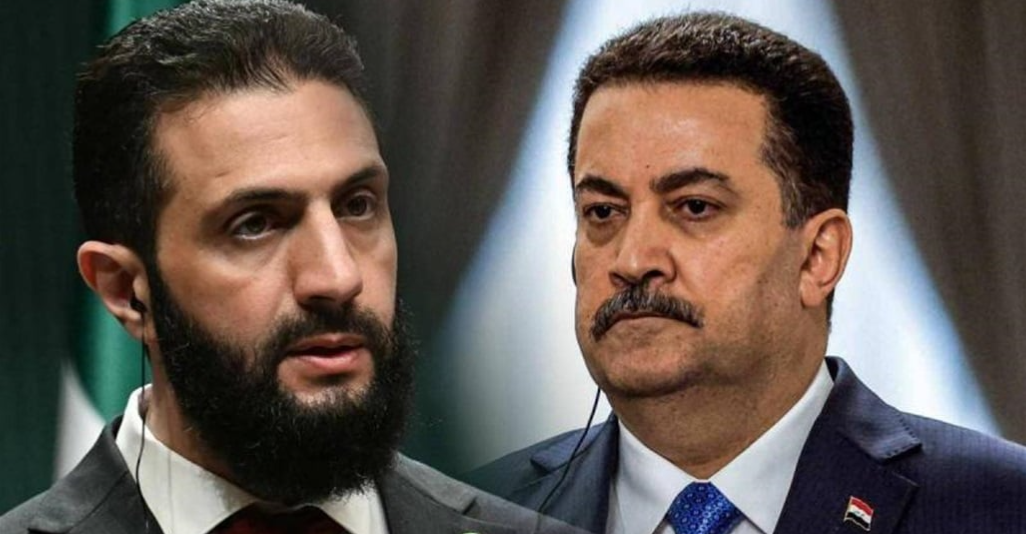
Prime Minister Mohammed Shia al-Sudani sponsored the signing ceremonies. Moreover, he highlighted that the agreements reflect an improved investment environment in Iraq. He also said the Iraqi market is open to serious, reputable companies seeking to develop services, infrastructure, and the economy.
The contracts include a joint operating agreement between Iraq’s Ministry of Oil, Basra Oil Company, QatarEnergy, and France’s TotalEnergies. Additionally, deals involve Hyundai, ENKA, and China’s CPECC.
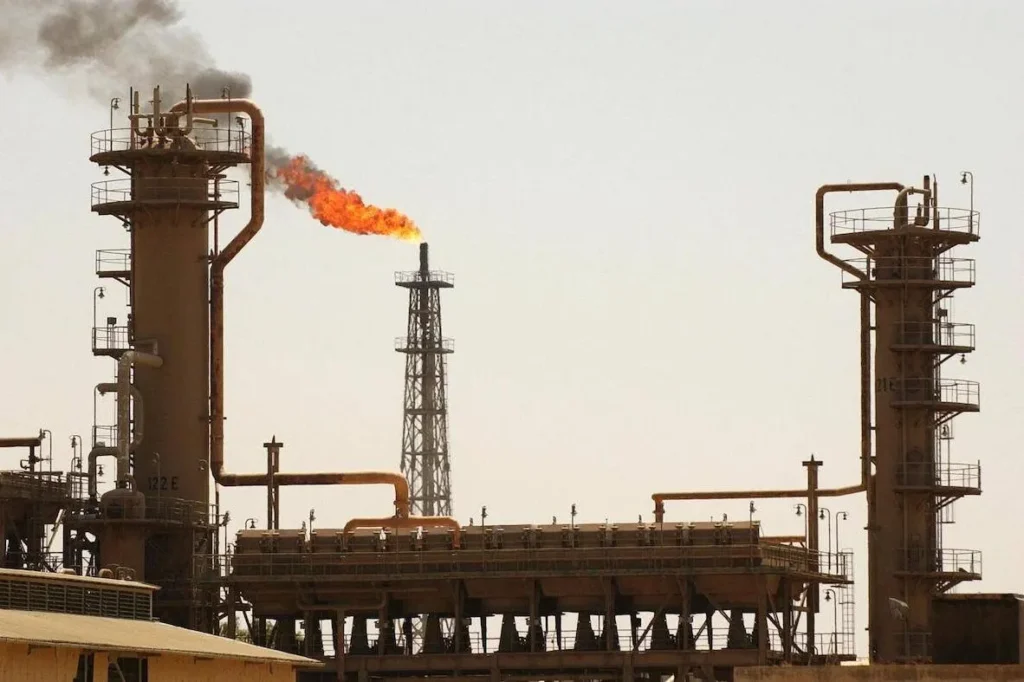
Projects under the Gas Growth Integrated Project cover multiple areas. These include a seawater treatment system for southern oil fields, construction of a central oil and gas processing facility, and a gas processing plant designed to capture associated gas. The total gas capacity will reach 600 million standard cubic feet per day.
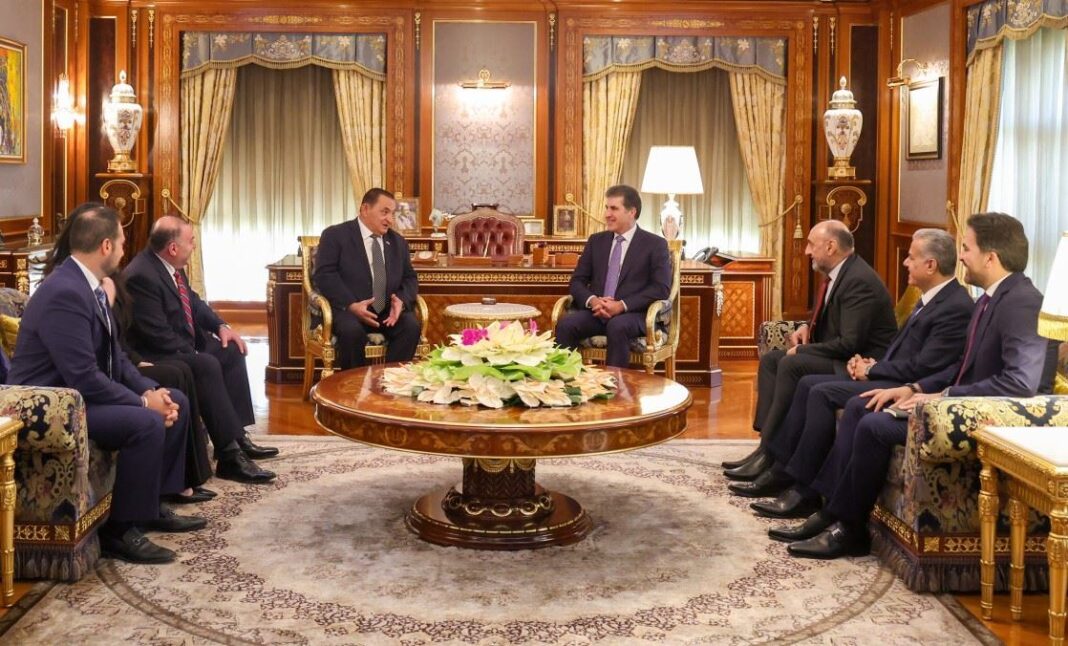
During the ceremony, key officials gathered, including Qatar’s Minister of Energy Saad bin Sherida al-Kaabi, TotalEnergies CEO Patrick Pouyanné, ENKA’s Chairman Mehmet Tara, and CPECC’s Vice President Liu Kai. Iraqi energy leaders also attended.
Prime Minister al-Sudani first welcomed the Qatari Minister and TotalEnergies CEO, stressing increased foreign investment signals Iraq’s improved climate. The Qatari minister conveyed greetings from Qatar’s Emir and expressed eagerness to expand partnerships. Meanwhile, TotalEnergies’ CEO praised Iraq’s economic progress and security improvements.
The Gas Growth Integrated Project includes several specific contracts. The joint operating agreement makes TotalEnergies lead operator at Artawi field. The seawater treatment project, led by TotalEnergies and Hyundai, will treat 7.5 million barrels daily for injection into southern oil reservoirs to maintain pressure.
ENKA Turkey will build the central oil and gas processing facility. This plant will produce 210,000 barrels of oil, 163 million cubic feet of gas, and 240,000 barrels of injection water daily. It will also implement technology to reduce gas flaring.
Meanwhile, CPECC China will develop the gas processing plant in two phases. The plant will capture 600 million standard cubic feet of associated gas per day, boosting Iraq’s gas production significantly.
At the ceremony’s end, Prime Minister al-Sudani urged rapid implementation. He called for focusing on gas production and solar power projects. The goal is to add 1,000 megawatts of clean electricity to Iraq’s national grid, starting early next year.
In conclusion, the Gas Growth Integrated Project represents a vital boost for Iraq’s energy sector and investment climate. With international partners involved, Iraq aims to diversify its energy sources and promote sustainable development.