The Kurdistan Region of Iraq (KRI), once a hotspot for high-rise apartment investments, is undergoing a dramatic real estate transformation. A cultural and economic recalibration is reshaping buyer preferences, with traditional standalone homes now outpacing apartments as the asset of choice. For investors eyeing opportunities in 2025, understanding this shift—and the exceptions defying it—will be critical to navigating a market balancing tradition, oversupply, and political uncertainty.
A decade ago, sleek apartment complexes symbolized Kurdistan’s urban aspirations. Cities like Erbil and Sulaymaniyah saw a surge in high-rise developments, fueled by perceptions of modernity and exclusivity. Today, however, the apartment market is collapsing under its own weight. Oversupply has driven prices down by 20–30% since 2020, with maintenance fees, security costs, and shared service charges, alienating budget-conscious buyers. Meanwhile, standalone homes—despite higher upfront costs ($200,000–$500,000 in prime areas)—are surging in demand. Kurdish families, who historically favor private spaces for multigenerational living and social gatherings, are returning to their roots. Courtyards, gardens, and greater autonomy over property upkeep are driving this revival, compounded by zoning laws in cities like Sulaymaniyah that prioritize low-density residential zones.
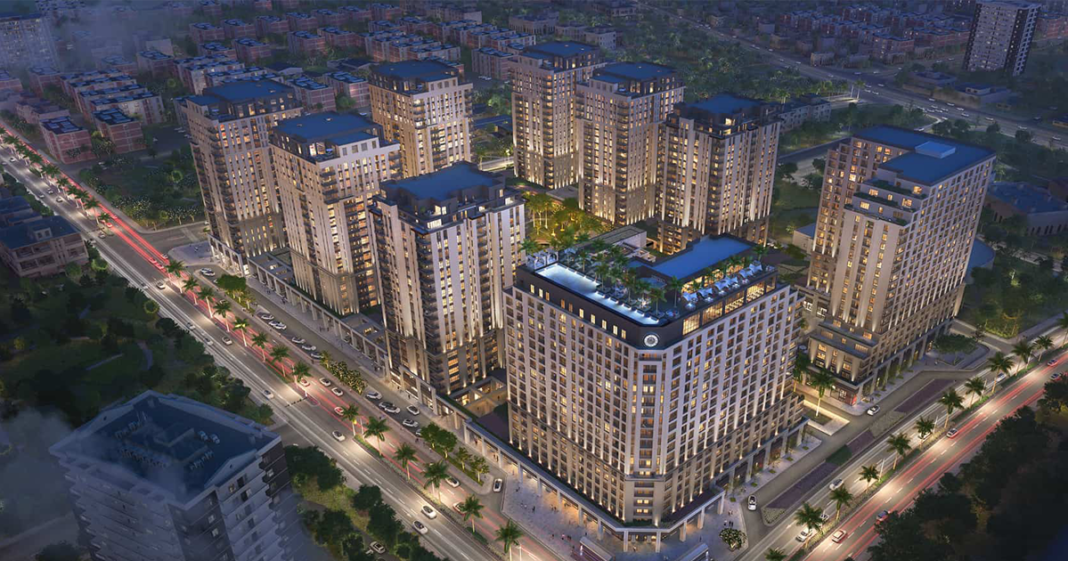
Yet not all apartments are losing value. Projects developed by business magnate Idris Nechirvan Barzani, such as Erbil’s Park View and the newly launched Boulevard, continue to buck the trend. Park View, nestled in the upscale Naz City district, maintains prices around $1,500 per square meter—a stark contrast to the citywide slump—thanks to gated security, premium amenities, and a reputation for luxury. The Boulevard, with its smart-home technology and eco-friendly design, caters to diplomats and expatriates, proving that niche markets remain viable. Analysts attribute Barzani’s success to strategic branding, adaptive designs, and a focus on high-income buyers insulated from broader economic pressures. However, questions linger about the sustainability of such projects amid Kurdistan’s oil-dependent economy, which contributes 80% of regional GDP. Fluctuating oil prices and unresolved revenue-sharing disputes with Baghdad could destabilize even the most resilient luxury markets.
Kurdistan’s real estate future is also tied to infrastructure and geopolitics. The anticipated 2026 launch of the Erbil Metro and expansion of the Harir International Airport aim to improve connectivity, potentially boosting suburban areas like Salahaddin City, where land prices are 30% lower than central Erbil. Meanwhile, cities like Duhok—proximate to Turkish trade routes—are emerging as hubs for mid-range housing and logistics, with land prices as low as $50–$100 per square meter. Sulaymaniyah, with its cultural appeal, is attracting boutique hotel and villa investments near tourist hotspots like Lake Dukan.
But risks loom. Political fragility, including tensions with Baghdad over oil revenues and internal governance disputes, could disrupt land ownership laws. Urban land scarcity is pushing developers to satellite towns, where infrastructure remains underdeveloped. Foreign investment, which dipped by 15% between 2022 and 2023, hinges on stability and clearer regulatory frameworks.
For investors, 2025 presents a bifurcated opportunity. Traditional homes in suburbs with planned infrastructure growth offer long-term stability, while luxury developments like Barzani’s—particularly those integrating sustainability or tech—appeal to niche, high-income demographics. Commercial real estate near transit hubs, such as upcoming metro stations, may also gain traction as Kurdistan’s economy recovers post-pandemic.
In the end, Kurdistan’s real estate market is a story of cultural resurgence meeting economic pragmatism. While apartments fade as a symbol of progress, standalone homes and elite developments are rewriting the rules. Investors willing to navigate the region’s complexities—armed with local partnerships and a focus on adaptability—could find lucrative opportunities in a market poised for nuanced, if cautious, growth.