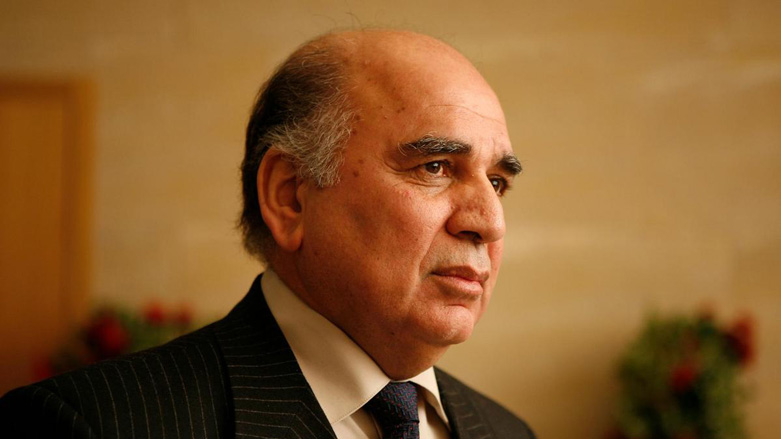
Iraq’s Arab League diplomacy takes center stage as Foreign Minister Fuad Hussein arrived in Cairo on Monday to participate in the 166th session of the Council of the Arab League, with regional tensions continuing to spread across the Middle East.
Hussein is expected to hold meetings with several Arab foreign ministers on the sidelines of the session. The talks come as Arab governments face growing security and political pressures linked to the renewed confrontation between the United States and Iran.
The Council of the Arab League convened its previous ministerial session in late June. Before the formal meeting, Arab foreign ministers also held consultations on regional developments and other issues affecting member states.
This time, Tunisia will assume the presidency of the council, taking over from Bahrain. The change comes as Arab governments seek to coordinate their positions on escalating regional conflicts and their potential economic and security consequences.
Hussein’s participation gives Baghdad an opportunity to discuss Iraq’s concerns directly with its Arab counterparts. In particular, Iraq faces challenges from its geographic position between major regional powers and from the wider effects of conflict across neighboring countries.
The renewed US-Iran confrontation has already affected several states across the region. Retaliatory attacks have targeted locations in Jordan, Bahrain, Kuwait and Iraq, including areas around Erbil in the Kurdistan Region.
Consequently, regional security will likely remain a major issue during the Cairo meetings. Arab governments must also consider the possible impact of prolonged hostilities on trade, energy supplies, transportation and economic stability.
At the same time, Iraq has sought to maintain diplomatic engagement with both regional and international partners. Baghdad has repeatedly emphasized the importance of protecting its territory from becoming a battleground for wider conflicts.
The Arab League meeting also provides an opportunity for Iraq to strengthen coordination with Arab states as tensions continue to rise. However, Arab League meetings have historically faced challenges in translating collective discussions into unified and effective action.
Iraq most recently hosted an Arab League summit in Baghdad in May 2025 under former Prime Minister Mohammed Shia’ al-Sudani. The summit attracted fewer heads of state than expected, with several leaders choosing not to attend and some participants departing before the meeting concluded.
Nevertheless, Iraq’s Arab League diplomacy remains important as Baghdad attempts to navigate a rapidly changing regional environment. Hussein’s meetings in Cairo could allow Iraq to exchange views with Arab governments and discuss measures aimed at limiting the consequences of the escalating conflict.
The 166th session therefore comes at a critical moment for the region. With military tensions affecting several Arab countries, governments face pressure to coordinate their responses while protecting national security and economic interests.
For Baghdad, Iraq’s Arab League diplomacy offers another avenue to emphasize sovereignty, regional stability and the need to prevent further escalation. Hussein’s participation in Cairo could also reinforce Iraq’s efforts to maintain communication with Arab partners as the regional crisis develops.