Iraq crude exports through Syria could soon begin under a proposed agreement between Baghdad and Damascus, giving Iraq another route to move Basra crude to international markets and reduce its dependence on maritime shipments.
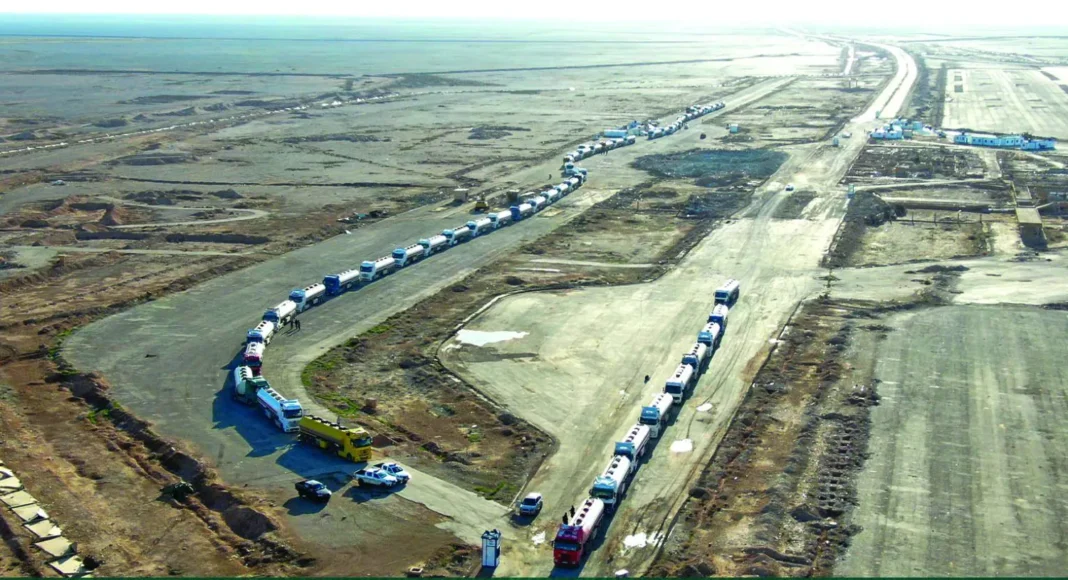
Iraq’s State Oil Marketing Organization (SOMO) is negotiating with the Syrian Petroleum Company to establish the new export arrangement. Under the proposal, tanker trucks would transport crude from Basra in southern Iraq to storage facilities at Syria’s Baniyas port.
From there, the crude could move onto vessels for shipment to international buyers. However, Iraq still needs cabinet approval before SOMO can formally sign the agreement with its Syrian counterpart.
The planned loading facilities would operate in the Zubair area of Basra. SOMO Director Ali al-Shatri said negotiations with Damascus remain underway and that Iraq currently has no active crude export contract through Syrian territory.
Nevertheless, Baghdad already uses the Syrian route for fuel oil exports. The proposed agreement would therefore expand an existing transport link by allowing limited quantities of crude oil to move through the same country.
According to al-Shatri, Baniyas has storage capacity of between 1.5 million and two million barrels. However, the facilities require maintenance, and their age could limit how much crude Iraq can send through the route.
As a result, Iraq does not expect the Syrian corridor to replace its main maritime export system. Instead, officials view the overland route as an additional option that could complement shipments leaving Iraq through its southern ports.
Under the proposed arrangement, tanker trucks would carry crude from Basra to Baniyas until Baghdad and Damascus complete a planned pipeline project. The future pipeline could eventually provide a more efficient method of transporting larger volumes between the two countries.
For now, Iraq crude exports through Syria would depend on road transportation and available storage capacity at Baniyas. The approach could nevertheless give Baghdad greater flexibility when managing its crude shipments.
The move also reflects Iraq’s broader efforts to diversify its export infrastructure. Relying heavily on maritime routes leaves the country exposed to disruptions caused by regional tensions, shipping restrictions and security developments.
Therefore, establishing an additional land corridor could help Iraq maintain access to international markets during periods of pressure on maritime transportation. At the same time, the limited capacity of the Syrian facilities means the route would initially handle only modest volumes.
If the Iraqi cabinet approves the agreement, SOMO could move ahead with the proposed deal and begin preparations for crude transportation from Basra.
Ultimately, Iraq crude exports through Syria would represent a secondary export channel rather than a replacement for existing sea shipments. Baghdad’s longer-term plans, including the proposed pipeline, could determine whether the Syrian route develops into a more significant part of Iraq’s oil export network.