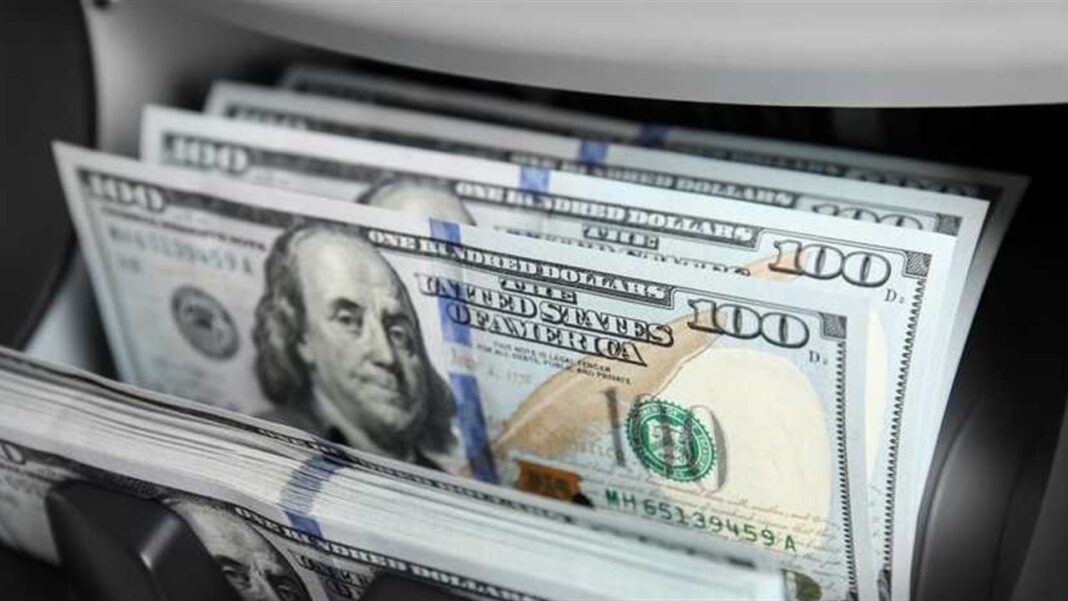
The Iraqi dollar rate increased in Baghdad while Erbil’s currency market showed little movement. Therefore, traders saw different conditions across Iraq’s two major exchange centers.
Baghdad’s Al-Kifah and Al-Harithiya exchanges recorded a rate of 1,542.5 dinars for one dollar. Earlier trading placed the rate at 1,541.5 dinars. Consequently, the dollar gained one dinar during the latest market movement.
Currency shops across Baghdad also adjusted their buying and selling prices. These shops offered rates between 1,537.5 and 1,547.5 dinars for each dollar. However, individual prices varied according to location, demand, and available cash.
Meanwhile, Erbil’s exchange market remained more stable. Traders offered the dollar between 1,540.5 and 1,541 dinars. Therefore, Erbil recorded a narrower price range than Baghdad.
The latest movement highlights the continuing gap between official and parallel market prices. The Central Bank of Iraq maintains an official rate of 1,300 dinars for one dollar. However, buyers often pay much more when using local-currency businesses.
Previously, the central bank offered an official rate of 1,450 dinars for each dollar. At that time, parallel market traders offered rates near 1,550 dinars. Consequently, the difference placed additional pressure on Iraqi consumers and businesses.
The parallel market once pushed the dollar rate close to 1,610 dinars. Meanwhile, the official rate remained near 1,450 dinars. That difference exceeded ten percent and showed strong demand for foreign currency.
Several factors influence Iraq’s daily exchange market. Importers need dollars to purchase food, machinery, medicine, and consumer goods from foreign suppliers. Therefore, commercial demand can quickly affect prices in Baghdad and Erbil.
Furthermore, banking rules can limit access to dollars through official channels. Some businesses then turn to private exchange shops for faster transactions. As a result, stronger market demand can push the dollar higher.
International transfer requirements also affect the supply of foreign currency. Banks must follow strict procedures before completing many dollar transactions. Although these rules support financial oversight, they can slow access for some customers.
The Iraq dollar rate also responds to public expectations and changing cash supplies. Traders may increase prices when they expect higher demand. In contrast, stronger dollar supplies can reduce pressure across the parallel market.
Baghdad often records larger price movements because it serves as Iraq’s main commercial center. The capital hosts many importers, wholesalers, banks, and exchange businesses. Consequently, changes in demand can appear there before reaching other cities.
Erbil also supports substantial trade and commercial activity. However, its currency market sometimes follows a different pattern. Local dollar supplies and regional demand can keep prices stable during changes elsewhere.
Moreover, exchange rate movements can affect the price of imported goods. Iraq purchases many essential products from international markets. Therefore, a stronger dollar can increase costs for retailers and ordinary families.
Businesses may also face higher operating expenses when the dinar loses value. Importers often transfer these costs to shops and customers. Consequently, even a small currency movement can influence local prices over time.
The central bank continues to promote official banking channels for foreign transfers. It also wants businesses to provide accurate documents for international payments. These measures aim to increase transparency and reduce illegal currency trading.
However, many traders still rely on the parallel market for immediate dollar access. This demand keeps unofficial rates above the central bank’s level. Therefore, closing the gap requires easier transfers and stronger confidence in banks.
The government could also support the dinar through better financial management. Higher non-oil revenue could strengthen public finances and reduce economic pressure. Additionally, more domestic production could lower Iraq’s need for imported goods.
For now, the Iraq dollar rate shows modest pressure in Baghdad and stability in Erbil. Traders will continue watching dollar supplies and customer demand. Furthermore, future banking measures could influence prices across both markets.