Iraq and the United States plan to unveil commercial agreements with an estimated value of $60 billion. The package could mark a major expansion in economic cooperation between the two countries. The Iraq-U.S. deals would involve American companies, Iraq’s government, and Iraqi private businesses. Both sides want commerce and investment to play a larger role in bilateral relations.
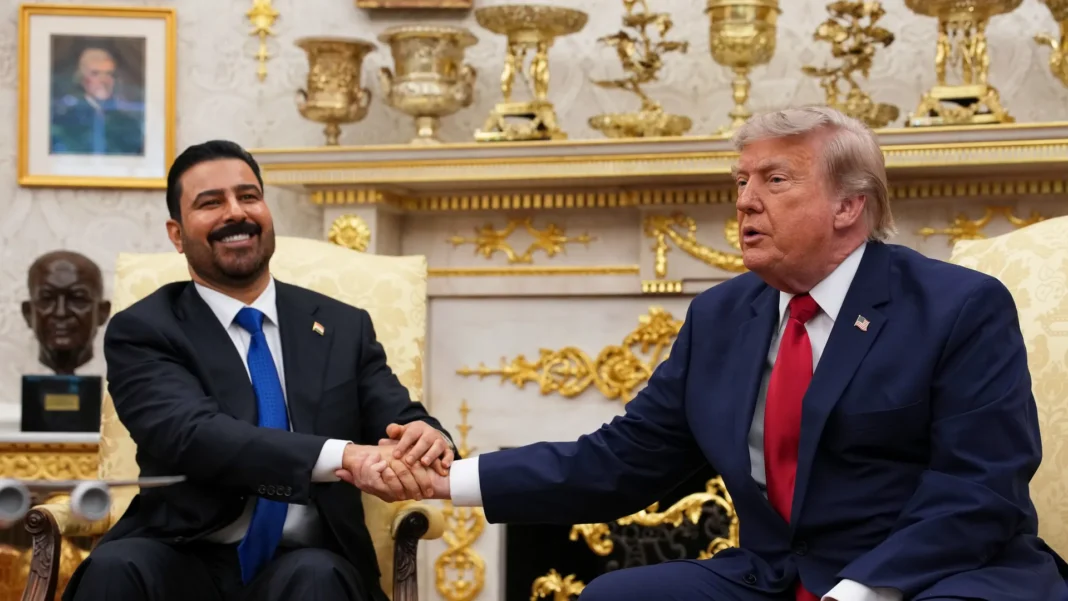
Prime Minister Ali Al-Zaidi and U.S. Energy Secretary Chris Wright plan to attend a major business summit. The U.S. Chamber of Commerce will host the event in Washington. Organizers expect participants to present the agreements during the gathering. Business leaders and government officials will also explore additional investment opportunities.
Steve Lutes, the chamber’s Middle East affairs vice president, said the agreement count surpassed earlier expectations. The growing package reflects a stronger interest from companies across several economic sectors. Moreover, it signals Washington’s intention to deepen commercial engagement with Baghdad. Iraqi officials also want international capital to support national development.
For years, security issues dominated ties between Iraq and the United States. However, both governments now want economic cooperation to carry greater weight. Al-Zaidi’s visit focuses heavily on trade, energy, investment, and private-sector partnerships. This shift could create a broader foundation for long-term bilateral relations.
The Iraq-U.S. deals could support projects in energy, infrastructure, production, and trade. American companies may provide capital, technology, management experience, and specialized services. Meanwhile, Iraqi businesses could gain new partners and access wider markets. Such cooperation could also encourage job creation and local business expansion.
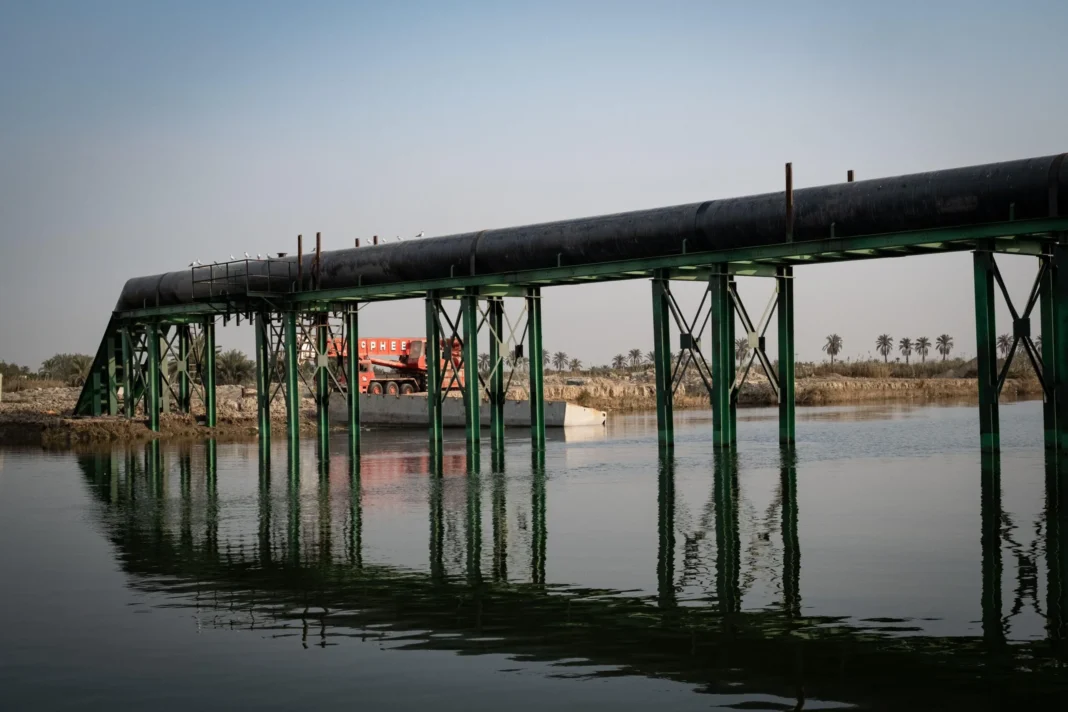
Government spokesperson Haider Al-Aboudi said Iraq plans several memoranda with American companies. These agreements aim to increase Iraq’s oil production capacity. Furthermore, energy partnerships could help modernize fields and strengthen supporting infrastructure. Higher capacity could provide more revenue for development and public services.
Planned oil and gas agreements also focus on alternative export outlets. Iraq currently depends heavily on routes affected by conditions around the Strait of Hormuz. Therefore, Baghdad wants additional corridors that can protect exports during regional disruptions. New routes could give Iraq greater flexibility when maritime risks increase.
Officials also want to secure major trade lanes across the region. Reliable corridors would support oil exports, commercial shipments, and cross-border investment. Additionally, stronger economic connections could reduce the financial impact of transport disruptions. Improved connectivity could also link Iraq more closely with regional and global markets.
Al-Zaidi traveled to Washington for high-level meetings with American officials and business executives. He aims to strengthen the political support behind major commercial partnerships. Moreover, direct talks could help companies address investment risks and regulatory concerns. Clear agreements could then move proposed projects toward implementation.
The estimated $60 billion total gives the economic package considerable importance. However, officials must still clarify each agreement’s value, scope, and implementation schedule. Some arrangements may begin as memoranda before the parties sign final contracts. Therefore, the final investment value could depend on future negotiations.
Iraq wants foreign investment to expand production and diversify economic activity. The country also needs modern infrastructure, stronger private companies, and reliable trade networks. American partnerships could support those goals through financing and technical expertise. Nevertheless, Iraq must create stable conditions for projects to succeed.
U.S. companies could gain access to opportunities within one of the region’s largest markets. Iraq offers significant demand across energy, construction, technology, transport, and financial services. Furthermore, major projects could produce long-term contracts for American suppliers. The agreements could therefore benefit companies and investors in both countries.
Iraqi private enterprises will play an important role within the planned partnership. Government agreements alone cannot create broad and sustainable economic growth. Therefore, officials want private companies to invest, expand, and form international partnerships. A stronger private sector could also reduce dependence on public employment.
Successful implementation will require clear contracts, financing plans, and regulatory coordination. Both governments must also monitor progress and resolve delays quickly. Additionally, companies will need confidence in payment systems and legal protections. Practical follow-through will determine whether announcements become functioning projects.
The Iraq-U.S. deals could reshape the relationship between Baghdad and Washington. They would move economic interests closer to the center of bilateral cooperation. Moreover, the package could strengthen energy security, trade connections, and private investment. Its success could establish a new commercial foundation between the two countries.