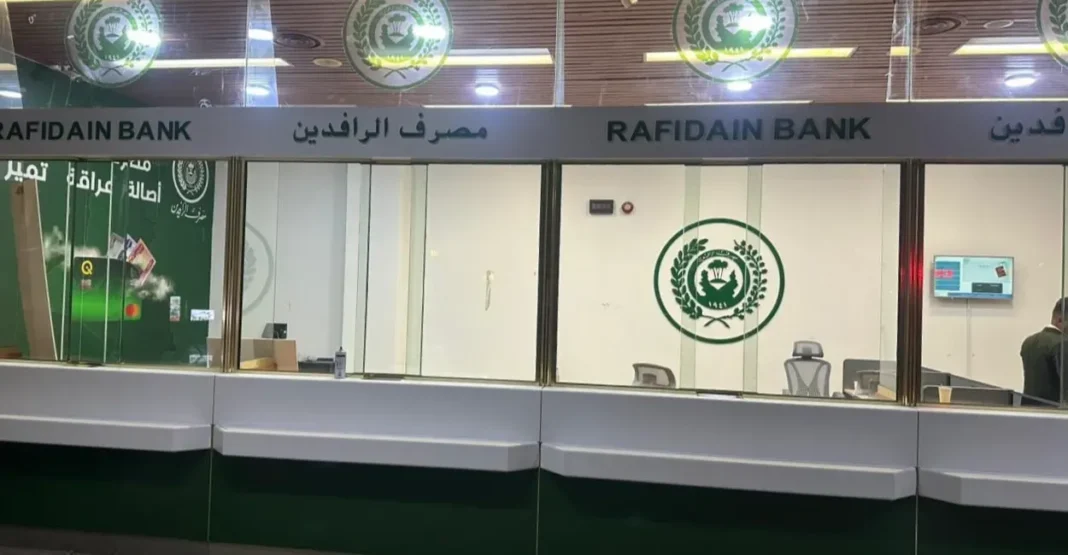
The Iraq housing loan freeze has left hundreds of Bismayah apartment buyers unable to complete purchases. Rafidain Bank stopped issuing loan contracts after a reported funding shortage. Applicants said they had completed the required procedures. However, they still cannot receive their apartments.
The delay has created growing concern among buyers in Baghdad’s Bismayah residential complex. Many applicants are expected to finalize their purchases after finishing paperwork. Instead, the loan suspension placed their files on hold. Therefore, families now face more uncertainty over housing plans.
A source familiar with the matter said the apartments stood ready for handover. The source also said buyers had completed the needed steps. However, Rafidain Bank lacked enough liquidity and budget allocations. As a result, the bank stopped issuing new loan contracts.
The Iraq housing loans freeze has also slowed handover procedures inside the major housing project. Buyers cannot complete payments without bank financing. This has blocked the final stage of ownership. Consequently, many families remain stuck between approval and delivery.
Applicants have urged the government, parliament, and relevant authorities to act quickly. They want officials to restore financing for Bismayah housing loans. They also want Rafidain Bank to resume lending. Without funding, they cannot take possession of their apartments.
The issue adds pressure to Iraq’s wider housing crisis. The country needs around five million additional housing units to meet demand. This shortage has pushed many families toward large residential projects. Bismayah remains one of the most visible examples.
Successive governments launched major housing projects to reduce the deficit. However, demand still exceeds available supply. Many families continue to face high prices and limited options. Therefore, any loan delay can create serious social pressure.
Bismayah was designed as a major solution near Baghdad. The project aimed to provide large-scale housing for middle-income families. It also became a symbol of Iraq’s effort to expand planned residential development. Yet financing problems have repeatedly slowed progress.
Moreover, the latest loan suspension affects trust in public housing finance. Buyers need clear payment procedures and reliable bank support. When financing stops, applicants lose confidence in the system. This can hurt future demand for similar projects.
The Iraq housing loans freeze also highlights pressure on state banking institutions. Rafidain Bank plays a major role in public-sector finance. It supports loans, salaries, and many citizen services. Because of that, any lending disruption can affect large numbers of people.
The problem also carries an economic impact. Housing loans support construction, retail activity, and household spending. When buyers cannot complete purchases, money stops moving through the market. Developers, suppliers, and service companies may also feel the delay.
In addition, applicants have raised concerns about earlier allocation procedures. Some buyers said authorities added requirements outside their purchase contracts. These complaints created more frustration among applicants. They also increased calls for clearer rules.
Official documents have also alleged financial and administrative irregularities linked to Bismayah payments. The allegations involved Rafidain Bank and apartment installment files. Authorities still need a transparent follow-up on such claims. Buyers want accountability and faster solutions.
Still, urgent funding could ease the current crisis. If officials restore liquidity, Rafidain Bank could restart loan contracts. That would allow many applicants to complete purchases. It would also help families finally receive their units.
In the end, the loan freeze has turned a housing promise into a financial problem. Hundreds of buyers now wait for funding decisions. Iraq’s housing shortage makes the delay even more serious. The case shows how banking liquidity can directly affect citizens’ lives.