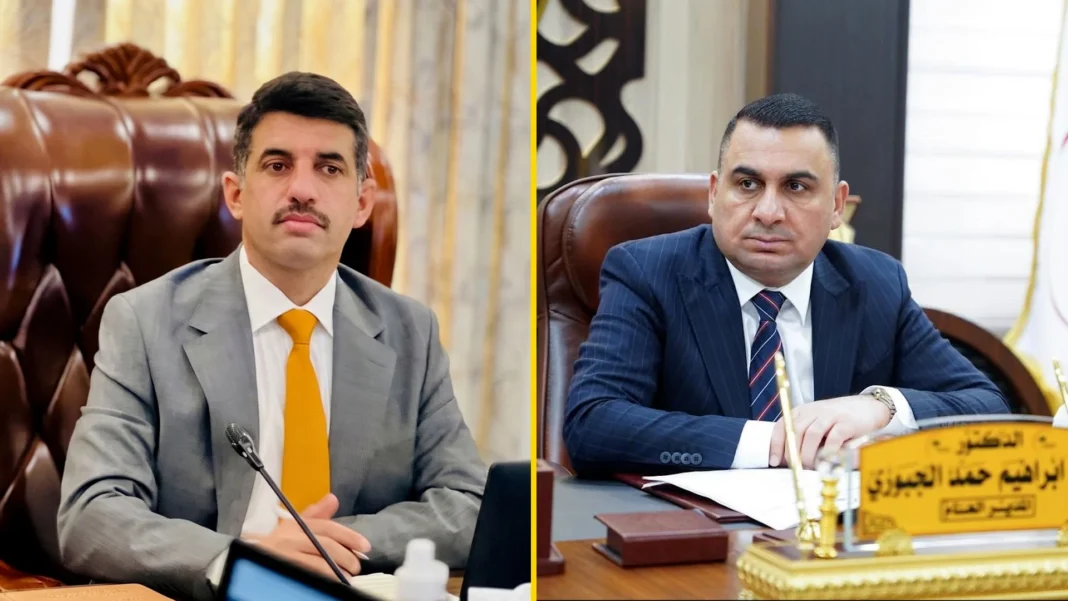
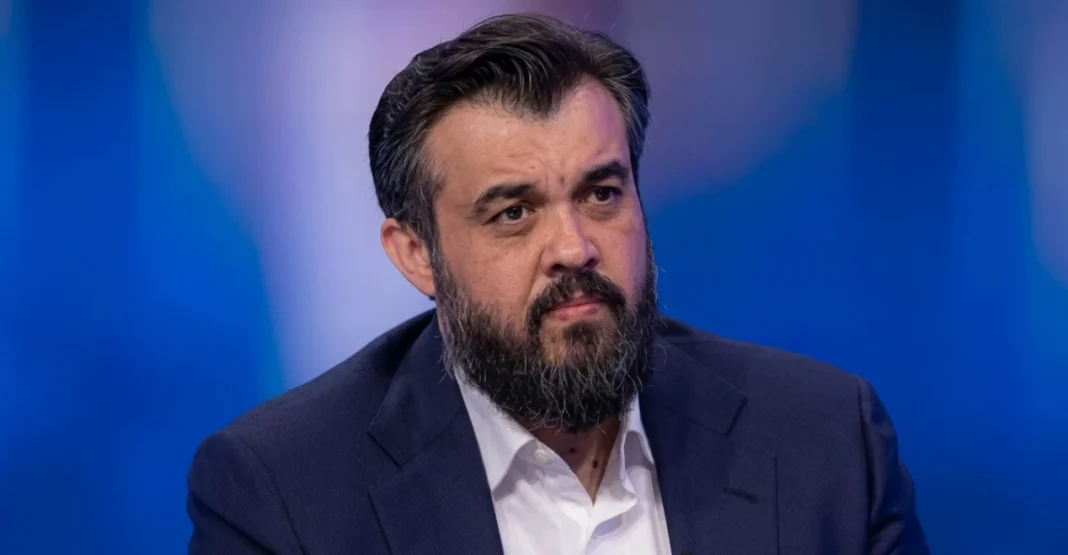
An Iraqi court sentenced Yazan Mishaan al-Jubouri to five years in prison. He leads the Homeland Party as secretary-general. The Federal Integrity Commission announced the ruling after a fraud case. The decision adds pressure to Iraq’s wider anti-corruption campaign.
The Iraq fraud case centers on claims of deception and financial gain. The court said al-Jubouri falsely presented himself as an adviser to the prime minister. Moreover, investigators said he promised access and official favors to a complainant. The case involved a large sum of money tied to company accounts.
According to the commission, the court used Article 456 of the Penal Code. That article covers fraud and deception under Iraqi law. In addition, the court reviewed claims about false influence and fake official access. Prosecutors argued that al-Jubouri used his political status to gain trust.
Investigators said he promised to arrange a meeting with the prime minister. They also said he claimed he could secure benefits for the complainant. Furthermore, the commission said the scheme involved a fugitive suspect. That suspect managed one of the complainant’s companies through formal authorization.
The commission said the fugitive suspect withdrew 41 billion Iraqi dinars. The amount equals roughly $26 million. Investigators said the suspect then handed over funds through fraudulent methods. Therefore, the court treated the case as a major financial crime.
Authorities arrested al-Jubouri during a raid at his home. His father, politician Mishaan al-Jubouri, later confirmed the arrest. Moreover, he said security forces acted under a judicial warrant. The warrant came from an investigative judge in Baghdad’s Al-Karkh court.
Earlier court papers added another layer to the case. They accused al-Jubouri of impersonating a public official. They also accused him of carrying out official duties without legal authority. Prosecutors said he pursued financial gain through that alleged conduct.
The Iraq fraud case carries political weight because of al-Jubouri’s party role. He holds a senior position inside the Homeland Party. Consequently, the sentence may create wider political debate. It may also increase scrutiny of party figures and public influence.
The ruling also highlights Iraq’s continuing fight against corruption and fraud. Iraqi institutions face public pressure to pursue financial crimes. In addition, citizens often demand stronger action against political favoritism. Cases involving fake access can deepen distrust in public office.
However, the legal process still leaves room for further court action. Defense teams may seek available appeals under Iraqi procedures. Meanwhile, investigators may continue searching for the fugitive suspect. They may also review the movement of money linked to the companies.
The case also raises questions about political access and private business. Some complainants may trust figures who claim strong government links. Therefore, officials may need stronger safeguards against false representation. Public warnings could also reduce future fraud attempts.
Overall, the court’s sentence marks a serious development in the Iraq fraud case. It links party leadership, alleged impersonation, and major financial loss. Moreover, it shows how courts may handle political figures accused of fraud. The case will likely remain under public attention.