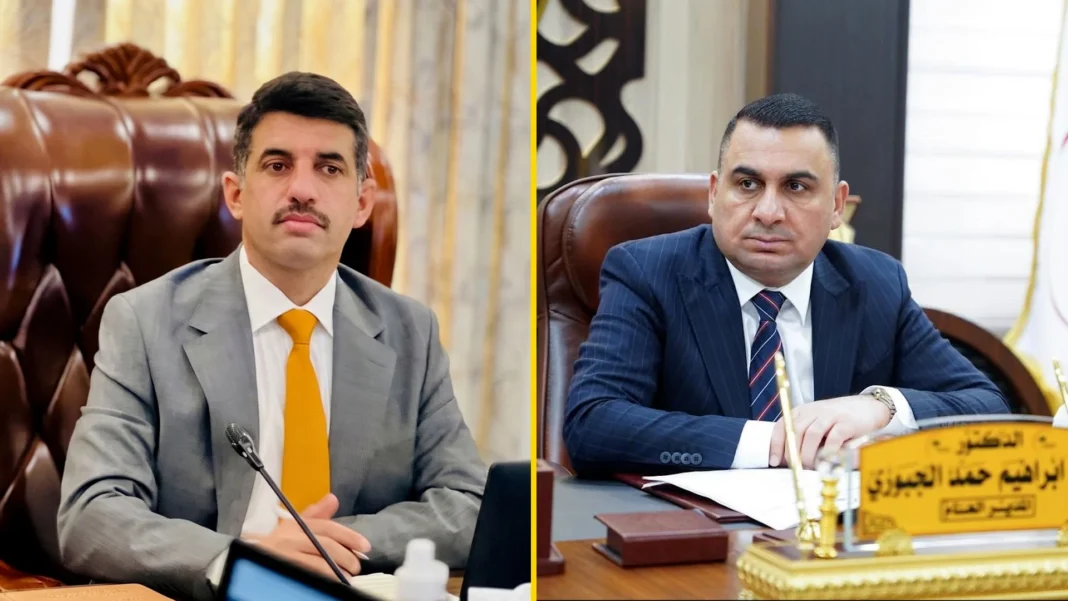
Iraq’s corruption crackdown has reached another senior provincial figure. Authorities arrested Raed al-Jubouri after investigators reviewed statements from Adnan al-Jumaili. Jubouri previously led Saladin province. He now heads the provincial health department.
The arrest adds pressure to a widening investigation into alleged financial corruption. Officials say Jumaili’s statements helped investigators identify new suspects. Moreover, the case now links the oil sector with provincial administration. The Iraq corruption case has drawn major public attention.
Jumaili served as Deputy Minister of Oil for Refining Affairs. He also previously led the North Refineries Company. Investigators have questioned him over alleged corruption and money laundering. As a result, the probe has expanded beyond one office.
The Central Anti-Corruption Criminal Court outlined major seizures linked to the investigation. Judges said investigators found large amounts of cash and property. In addition, they reported luxury vehicles and precious metals. These findings increased the political weight of the case.
According to court details, investigators seized millions of dollars in cash. They also recovered tens of billions of Iraqi dinars. Moreover, authorities found some funds hidden in unusual locations. Other money allegedly appeared before smugglers moved it abroad.
The court also froze dozens of high-value properties. Investigators linked these assets to suspects and close associates. Additionally, authorities seized more than twenty luxury vehicles. These actions suggest a broad financial tracking operation.
Officials also reported the confiscation of gold jewelry and valuable items. Investigators believe the assets may be connected to illegal financial activity. However, the court will need to prove the case through legal procedures. Therefore, the investigation remains an important test for anti-corruption bodies.
The arrest of Jubouri carries political significance in Saladin. He previously held one of the province’s most important executive roles. Furthermore, his current health department position gives the case wider administrative importance. The development may raise pressure on other local officials.
Investigators now appear to follow money trails across several institutions. They are using financial records, witness statements, and asset checks. Moreover, they are studying links between refining operations and provincial offices. The Iraq corruption case may reveal deeper networks if investigators confirm more evidence.
The probe also highlights Iraq’s wider struggle with public-sector corruption. Citizens often demand stronger action against officials who misuse state funds. In addition, corruption cases can weaken trust in public institutions. Strong enforcement could help restore confidence in government oversight.
Oil-related corruption carries special importance in Iraq. The country depends heavily on oil revenue for public salaries and services. Therefore, any misuse of funds can affect the wider economy. It can also damage public confidence in state energy institutions.
At the same time, the case shows growing judicial pressure on senior figures. Courts now appear more willing to pursue powerful officials. However, investigators must present clear evidence and protect due process. The public will closely watch each new step.
The investigation may also encourage stronger financial monitoring in state companies. Officials could review procurement, contracts, and asset ownership more carefully. Furthermore, ministries may face pressure to improve internal controls. These steps could reduce future corruption risks.
Overall, the arrest marks a major escalation in the investigation. Authorities now connect the case to senior administrative and oil-sector figures. The Iraq corruption case could expand further as investigators review more evidence. For now, the court’s next actions will shape the probe’s direction.