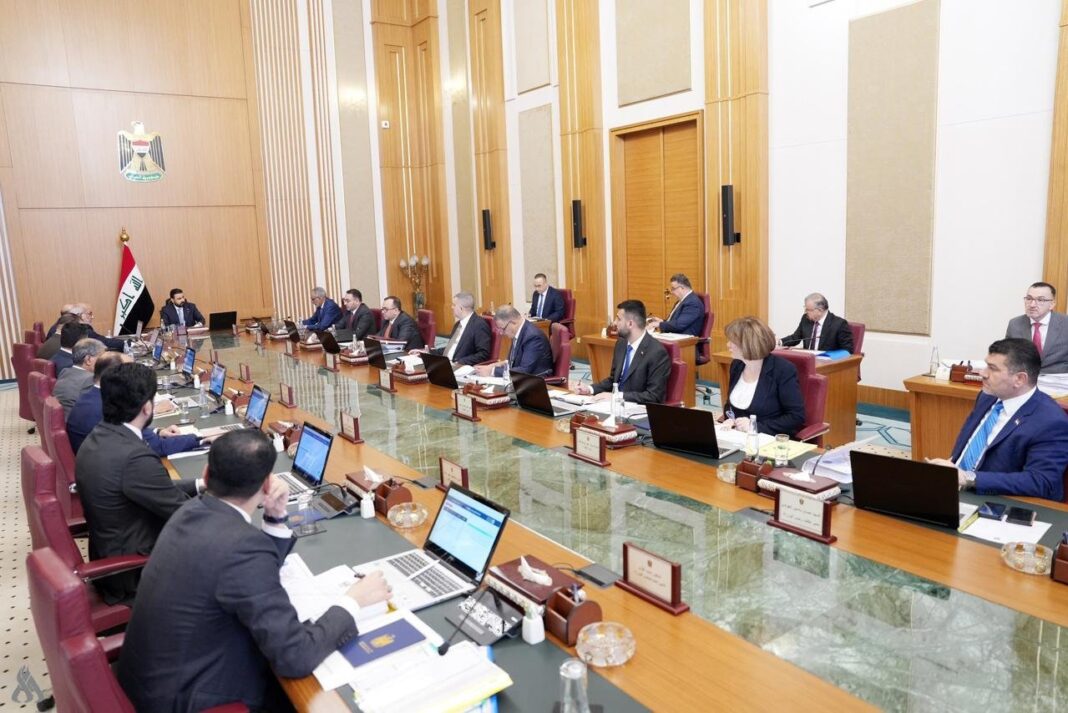
Iraq has introduced a new step to control public spending across the government. The Council of Ministers approved limits on new investment project contracts. Therefore, ministries, independent bodies, and governorates must stop signing new project deals. The move aims to reduce financial pressure on state budgets.
The Iraq investment freeze comes as the government reviews its spending priorities. Officials want state institutions to avoid new costs without secured funding. In addition, they want to reduce unpaid bills and delayed project payments. This decision also gives the government more control over future obligations.
The new measure covers new investment contracts across all public institutions. It also includes projects managed by ministries and governorates. Moreover, it affects bodies that operate outside direct ministry control. As a result, many public agencies must pause new project commitments.
The decision also targets extra costs linked to existing projects. For example, some contracts include new spare parts or extra components. However, the government wants to stop additions that do not match the original scope. It also wants to limit increases that exceed 25 percent of contract value.
Furthermore, the Iraq investment freeze affects companies that already won contracts. Some companies may delay work until the government confirms available funding. Others may begin only after they accept special financial conditions. These conditions limit financial claims until the state secures money.
The government also gave companies another option. They may end contracts through direct agreement with the relevant public body. However, they cannot demand compensation under this route. Therefore, this option may help close inactive or unfunded agreements.
Meanwhile, the decision could affect contractors and suppliers across Iraq. Many firms depend on government projects for revenue and future work. Consequently, some companies may delay hiring, equipment purchases, or supply orders. Others may wait for clearer funding signals before moving forward.
At the same time, the policy could support stronger budget discipline. The government wants to prevent public agencies from adding costs without clear need. In addition, it wants ministries and governorates to focus on funded priorities. This approach may reduce waste and improve financial planning.
However, the Iraq investment freeze may also slow some development work. Infrastructure projects, service upgrades, and local improvements could face delays. Therefore, communities may wait longer for some public projects. Still, the government appears focused on reducing spending risks.
Overall, the decision sends a clear message to public institutions. They must confirm financial readiness before making new commitments. Moreover, contractors must review their plans carefully under the new rules. The measure may slow activity, but it may also protect public finances.