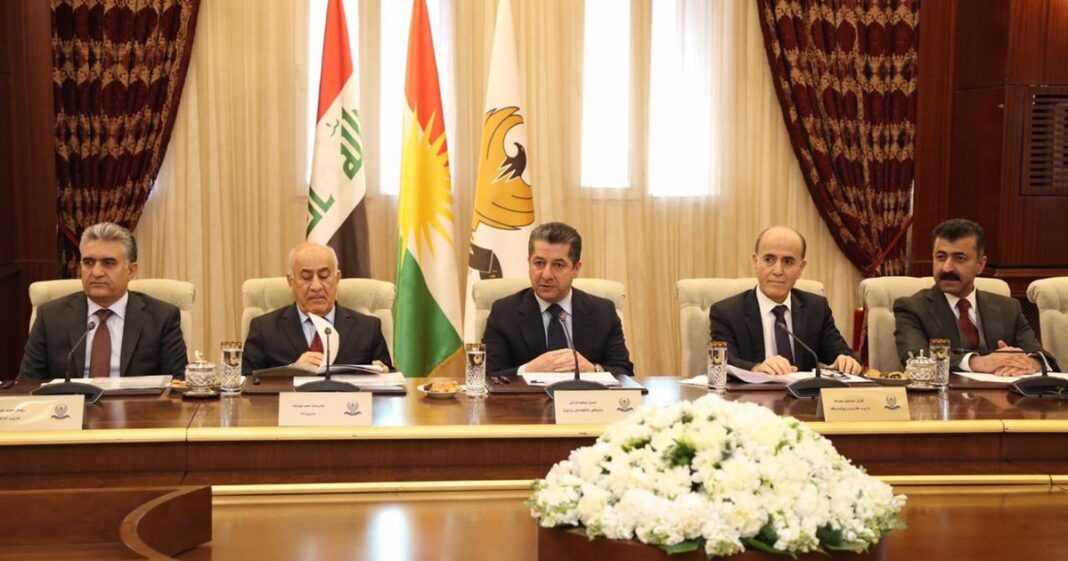
KRG-Baghdad negotiations entered a new phase as the Kurdistan Regional Government prepared to hold a cabinet meeting on Wednesday. The session will mark the first gathering of the Council of Ministers in more than three months. Moreover, officials are expected to address several unresolved issues with Baghdad.
The upcoming meeting comes during a sensitive period for relations between Erbil and Baghdad. In recent months, both sides have continued talks over oil exports, budget transfers, and revenue-sharing arrangements. At the same time, economic pressures have increased across the region.
Peshawa Hawramani said ministers will review outstanding disputes with Iraq’s federal government. In addition, the cabinet plans to discuss recent developments in relations between Erbil and Baghdad. Officials also intend to examine the long-running disagreements surrounding the oil sector.
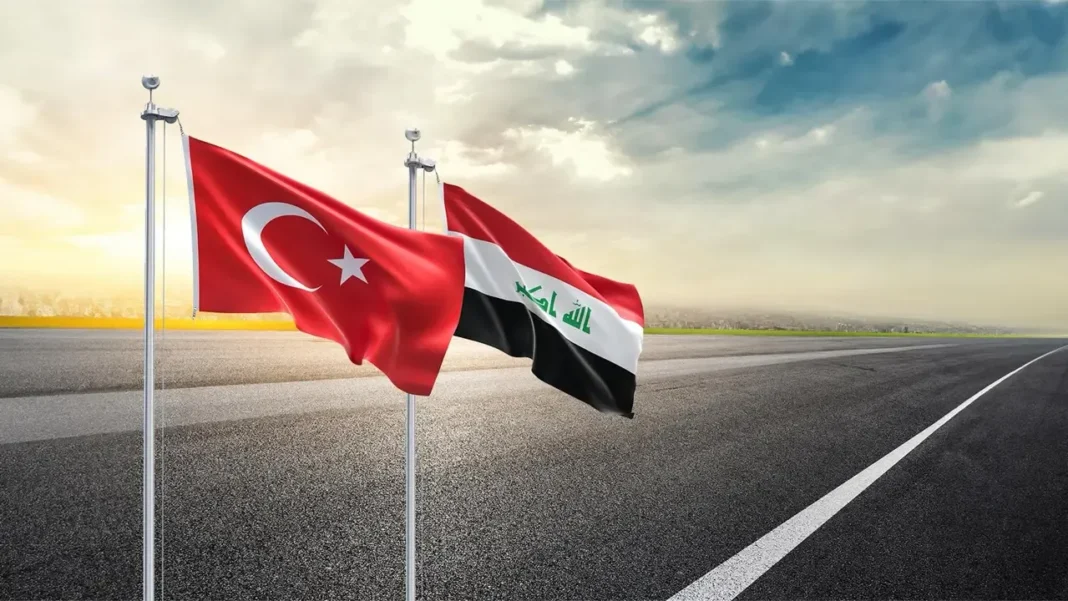
Tensions between the two governments have grown since the suspension of Kurdish oil exports through Türkiye in 2023. Consequently, both Erbil and Baghdad have faced major financial losses. Analysts estimate that the disruption has cost billions of dollars in lost revenue.
Meanwhile, KRG-Baghdad negotiations have continued over domestic revenue collection. Ministers are expected to examine ways to improve financial management inside the Kurdistan Region. Furthermore, the cabinet will discuss the implementation of ASYCUDA, an electronic customs platform supported by the United Nations.
The system has become one of the main points of disagreement between Erbil and Baghdad. Federal authorities have pushed to expand the customs platform to border crossings in the Kurdistan Region. However, negotiations have continued without reaching a final agreement.
Discussions over ASYCUDA have remained active since the beginning of 2026. Even so, officials had not announced a breakthrough by early May. As a result, both sides continue to seek common ground on customs procedures and revenue collection.
Wednesday’s meeting could shape the Kurdistan Region’s approach to several pressing challenges. Leaders are expected to discuss financial pressures and broader economic policies. In addition, they may review strategies related to energy and fiscal management.
The Council of Ministers last held a formal session on February 25, 2026. Therefore, the upcoming meeting carries significant political and economic importance. Many observers view the session as a key opportunity to address long-standing disputes.
Furthermore, officials hope the talks will help strengthen cooperation with Baghdad. Progress could support efforts to resolve disagreements over oil and revenues. At the same time, improved coordination may ease tensions between the two governments.
As regional leaders prepare for the session, attention remains focused on the outcome. Many political and economic questions still require answers. Consequently, KRG-Baghdad negotiations will remain at the center of discussions in the coming weeks.