Lawmakers in Iraq continue working toward completing the government, while the Iraq cabinet formation process faces mounting political and legal pressure. Officials now expect a final confidence vote within 10 to 15 days. However, unresolved ministries and court challenges still threaten delays.
A source from the ruling Coordination Framework confirmed the renewed push on Sunday. The coalition aims to finish the remaining cabinet positions soon. Moreover, leaders want to avoid further political uncertainty.
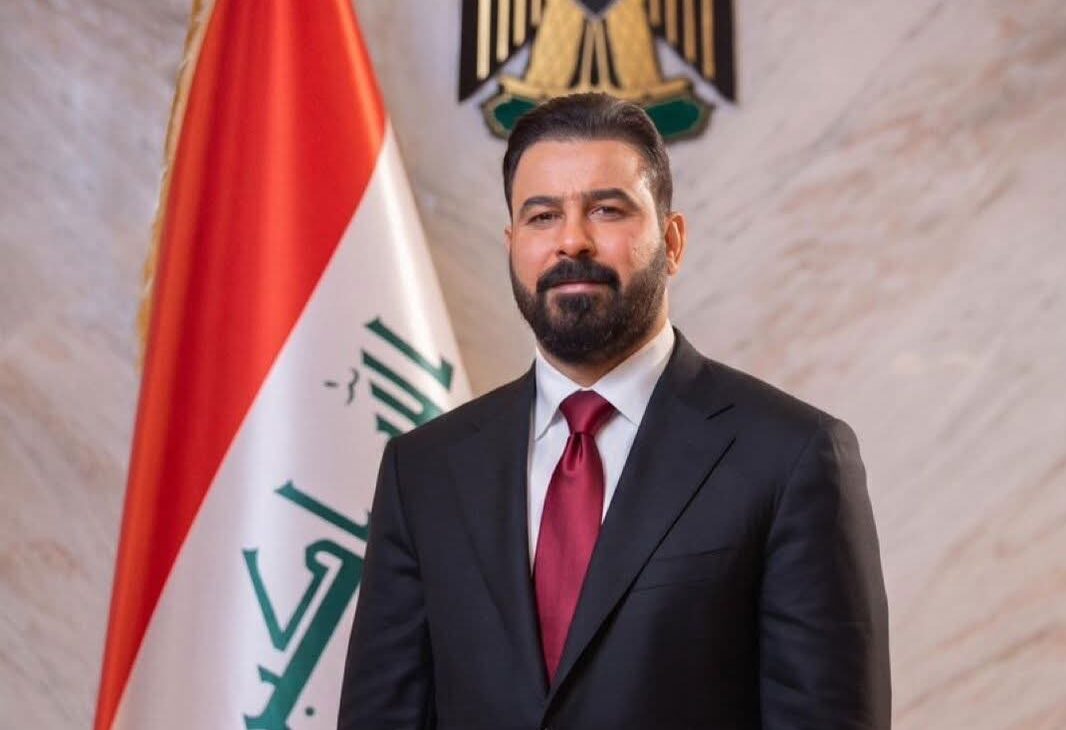
Earlier, Parliament approved most of Prime Minister Ali al-Zaidi’s cabinet. However, lawmakers postponed several ministries due to last-minute disagreements. Consequently, the Iraq cabinet formation process remains incomplete despite early progress.
During the May 14 parliamentary session, lawmakers gathered in a high-profile meeting. Kurdistan Region President Nechirvan Barzani and senior officials attended the session. Therefore, the vote carried strong political significance.
Lawmakers approved 14 ministers during that session. These approvals covered key ministries such as Foreign Affairs, Finance, Oil, Health, and Education. As a result, the government gained partial functionality but still lacked a full structure.
Prime Minister al-Zaidi emphasized that completing the cabinet remains essential. He described the vote as a commitment to citizens. Furthermore, he stressed that unity strengthens governance and stability.
He also highlighted that a complete government supports justice and economic improvement. Additionally, he called for continued political cooperation to finalize the remaining posts.
Despite early momentum, political disagreements interrupted the session. The Speaker of Parliament halted proceedings before all ministries received approval. Therefore, negotiations became necessary to continue the process.
The Coordination Framework now plans a new meeting this week. Leaders will discuss candidates for the remaining ministries. Moreover, they aim to resubmit previously rejected nominees for another vote.
One key vacancy includes the Ministry of Construction and Housing. Kurdish political parties, particularly the Kurdistan Democratic Party, hold responsibility for this portfolio. Consequently, negotiations around this position carry significant political weight.
This ministry plays an important role in maintaining Iraq’s power-sharing structure. Therefore, leaders continue discussions carefully to avoid political imbalance.
At the same time, legal challenges complicate the situation further. Several rejected candidates filed appeals with the Federal Supreme Court. As a result, parliamentary voting on some positions now faces restrictions.
A Kurdish Member of Parliament, Ashwaq Jaf, confirmed that no voting date exists yet. She explained that court cases continue to delay progress. Therefore, the Iraq cabinet formation process remains legally uncertain.
Until the court issues final decisions, Parliament cannot replace certain nominees. Consequently, lawmakers face a procedural standstill on several ministries.
Despite these challenges, political blocs continue negotiations behind the scenes. They aim to reach an agreement on the remaining cabinet shares. Furthermore, they seek to restore momentum in government formation.
However, progress depends on two key factors. First, the Federal Supreme Court must resolve pending appeals. Second, political parties must agree on final distributions of power.
Only then can Parliament reconvene to complete the cabinet. Ultimately, leaders expect that resolving these issues will allow al-Zaidi to fully launch his governance agenda and stabilize his administration.