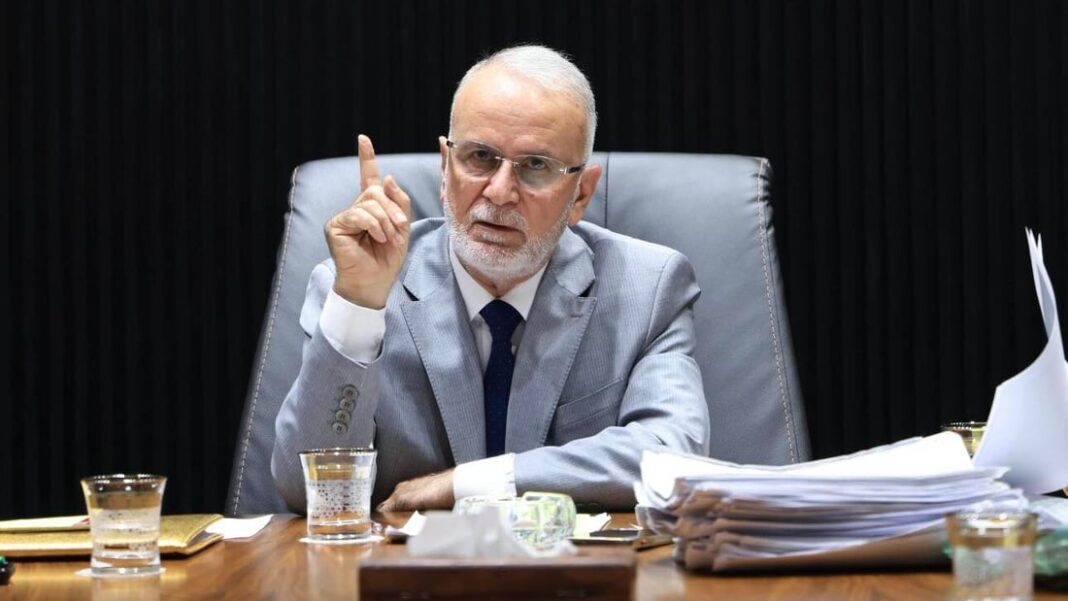
On Monday, Asa’ib Ahl Al-Haq leader Qais Al-Khazali issued a firm warning against disarming Iraq’s armed factions. He made the statement during a speech at the group’s central Husseini council in Baghdad. His words echoed growing tension over the future of armed groups aligned with the Iraqi state.
Al-Khazali addressed recent calls for these groups to surrender their weapons. He responded with a strong metaphor: “Whoever wants to hand over their weapon should prepare to have their mustache shaved.” This phrase referenced a recent event in Syria. There, pro-government militias forcibly shaved Druze men, an act widely seen as humiliating.
According to Al-Khazali, weapons used to defend the state must be protected. He clarified that these arms differ from those used for personal or rogue purposes. “Weapons that support and defend the state are rightful weapons,” he stated. He also pointed to increasing regional instability as a sign of potential danger for Iraq.
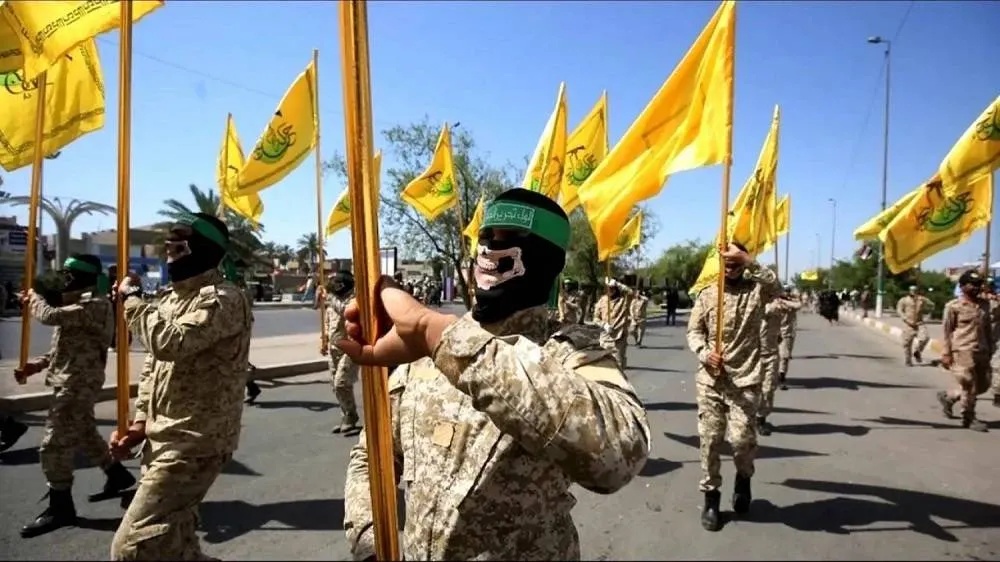
Meanwhile, Al-Khazali’s remarks arrive as disarmament discussions continue to gain momentum. At the same time, public and political pressure is mounting to regulate or disband Iraq’s armed factions. Notably, many of these groups fall under the umbrella of the Islamic Resistance in Iraq. Furthermore, they maintain strong ties to Iran’s Islamic Revolutionary Guard Corps.
In April, Reuters reported that some Iran-backed militias showed willingness to disarm. The report cited unnamed Iraqi officials and militia sources. However, one group—Kataib Hezbollah—quickly dismissed the claims. They called the report false and accused Reuters of spreading fabricated information.
Despite such denials, internal and external pressure continues to grow. Both the Iraqi public and international actors are pushing for more accountability. Yet, powerful leaders like Al-Khazali remain defiant.
For now, Iraq’s armed factions continue to operate with political influence and military strength. Any move toward disarmament will likely meet resistance. As regional conflicts escalate, Iraq faces a difficult path toward stability and control.