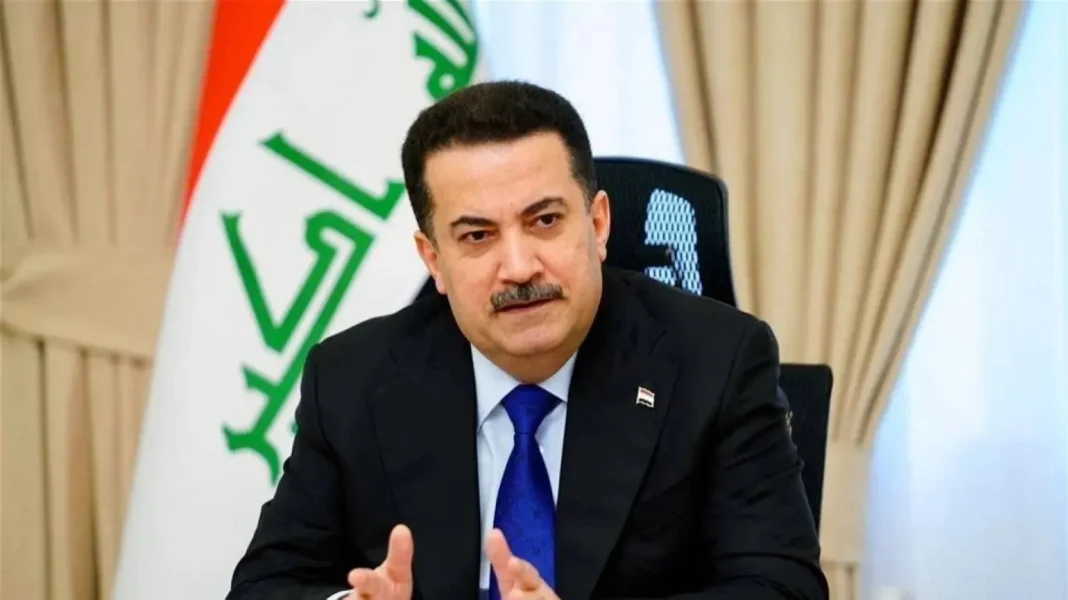
Baghdad Air Pollution Response became a top priority on Monday as Prime Minister Mohammed Shia Al-Sudani convened a high-level meeting. The session focused on worsening environmental conditions in the capital and other Iraqi cities. Baghdad Air Pollution Response guides ongoing initiatives as authorities plan coordinated action to curb risks and protect public health.
The meeting initially gathered the environment minister, the governor of Baghdad, deputy ministers of electricity and industry. Then, Al-Sudani reviewed detailed reports from all relevant departments, further highlighting major sources of pollution and the urgent need for collective solutions.
He stressed that agencies must work together to implement both short- and long-term measures. Al-Sudani instructed authorities to boost the activity of the air-pollution response team. They must monitor key landfills, waste-disposal sites, and other high-risk locations. Furthermore, he demanded effective legal actions to mitigate environmental hazards. The team is required to submit a weekly report directly to the prime minister, detailing progress and pollution impacts.
Following warnings from Iraq’s Green Observatory, officials said Baghdad’s air quality reached dangerous levels. Nitrogen dioxide, sulfur dioxide, and fine particulate matter worsened the pollution. Recent cloud cover trapped pollutants near the ground, pushing the Air Quality Index to “150–200” and peaking at “380” one night, a hazardous level. Consequently, officials warned that these gases can irritate eyes, harm the respiratory system, cause nausea, and increase long-term cardiovascular risks.
Al-Sudani also emphasized activating investment projects for landfill management and waste recycling. He directed the Ministry of Environment and Baghdad Municipality to provide all administrative, technical, and financial resources necessary to tackle the pollution crisis. He highlighted the importance of environmental performance indicators, support for environmental police, and addressing landmine-related risks.
The meeting identified major pollution sources across Baghdad and other governorates. Landfill sites, brick factories, oil-refining operations, metal-smelting kilns, power stations, private generators, vehicle emissions, fuel stations, storage tanks, and waste burning all contribute significantly.
Prime Minister Al-Sudani stressed the need for clear solutions with strong oversight and community engagement. Youth programs, local participation, and technical support must complement government efforts. By emphasizing accountability and proactive measures, Baghdad Air Pollution Response seeks to improve environmental conditions and protect citizens’ health.