The Iraq customs modernization agreement marks a major step toward unifying trade systems between Baghdad and the Kurdistan Region. Moreover, it introduces a UN-backed digital platform to streamline border operations. The decision aims to improve transparency and strengthen economic coordination. It also responds to growing regional and financial pressures.
The Iraqi government and the Kurdistan Regional Government reached the agreement on Monday. In addition, officials confirmed plans to implement the ASYCUDA system across all border crossings. This system will standardize customs procedures nationwide.
Furthermore, the Iraq customs modernization effort focuses on replacing manual processes with digital systems. The United Nations Conference on Trade and Development developed ASYCUDA. It allows electronic processing of customs data and reduces paperwork delays.
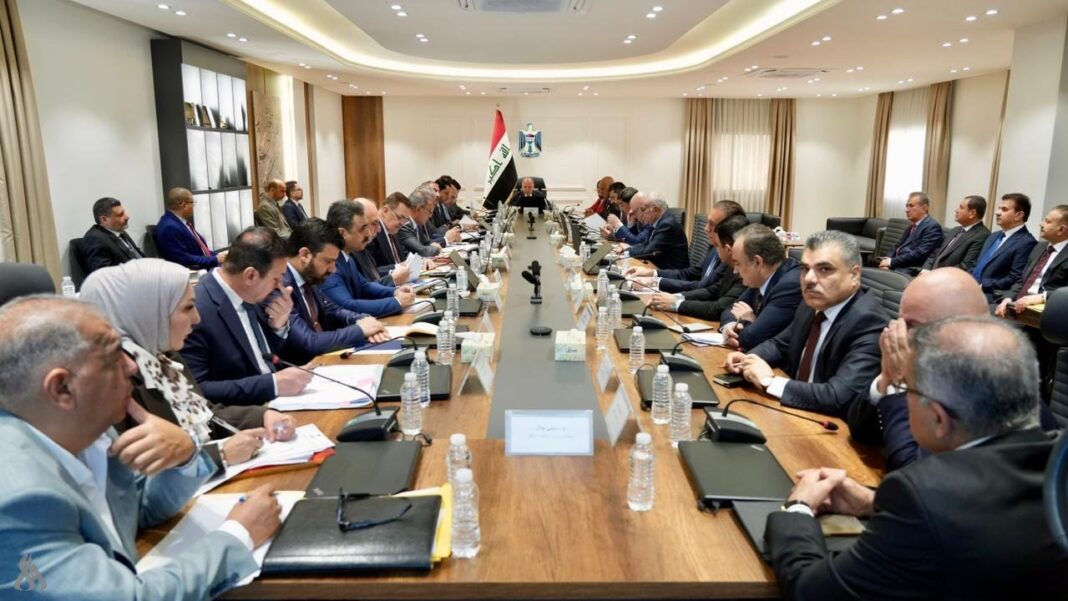
The federal Ministerial Council for the Economy outlined key goals in a statement. It emphasized unified customs policies and tariff systems. Moreover, it stressed the importance of protecting domestic products and increasing transparency.
In addition, officials highlighted the system’s role in improving government revenue collection. Major crossings like Ibrahim Khalil will adopt the platform. As a result, trade monitoring will become more efficient and accurate.
The Iraq customs modernization initiative also addresses current economic pressures. Iraq continues to face challenges linked to regional instability. The conflict that began on February 28 disrupted supply chains and trade flows.
To manage these disruptions, the agreement introduces a pre-arrival information system. This system prioritizes essential imports such as food and medicine. Consequently, authorities aim to prevent shortages and stabilize markets.
Moreover, merchants importing through the Kurdistan Region gain access to the official exchange rate. They must pay federal taxes in advance. This allows them to receive 1,320 dinars per US dollar.
However, this mechanism also reduces reliance on the volatile parallel market. The dinar previously traded at around 1,546 per dollar. Therefore, the system provides relief for traders and consumers.
Samer Qasim Dawood, head of Iraq’s General Customs Authority, explained the broader vision. He stated that the system reduces technical gaps between Baghdad and Erbil. Additionally, it supports smoother trade integration across regions.
The Iraq customs modernization plan also targets long-term economic stability. Officials aim to stabilize currency fluctuations and reduce inflationary pressure. Furthermore, they expect improved coordination between federal and regional authorities.
Currently, the program applies mainly to essential goods. However, authorities plan full integration of all border crossings in the future. As a result, Iraq moves closer to a unified and modern trade network.
Finally, the agreement reflects a broader push for economic reform. It also signals stronger cooperation between Baghdad and Erbil. Meanwhile, policymakers continue to monitor implementation and regional developments closely.