The Kurdistan drone attacks continue to raise security concerns across Iraq as Baghdad introduces new anti-drone defense systems. However, Iraqi officials confirmed the Kurdistan Region will not receive protection under the new plan.
Iraq faces mounting instability after regional tensions escalated following U.S. and Israeli strikes on Iran in February. Since then, Iranian-backed militias have launched nearly 1,000 attacks across Iraq.
Many of these armed factions operate within Iraq’s official paramilitary structure. Nevertheless, they continue launching attacks against foreign missions, military positions, and civilian areas.
The U.S. embassy in Baghdad became one of the main targets during the escalation. Meanwhile, hundreds of strikes also targeted the Kurdistan Region in northern Iraq.
According to Kurdish officials, the region has suffered more than 800 drone and missile attacks since February 28. As a result, security fears increased sharply across Erbil and other nearby areas.
The Kurdistan drone attacks targeted energy facilities, civilian zones, and foreign diplomatic sites. In addition, several strikes hit locations connected to Kurdish Iranian opposition groups.
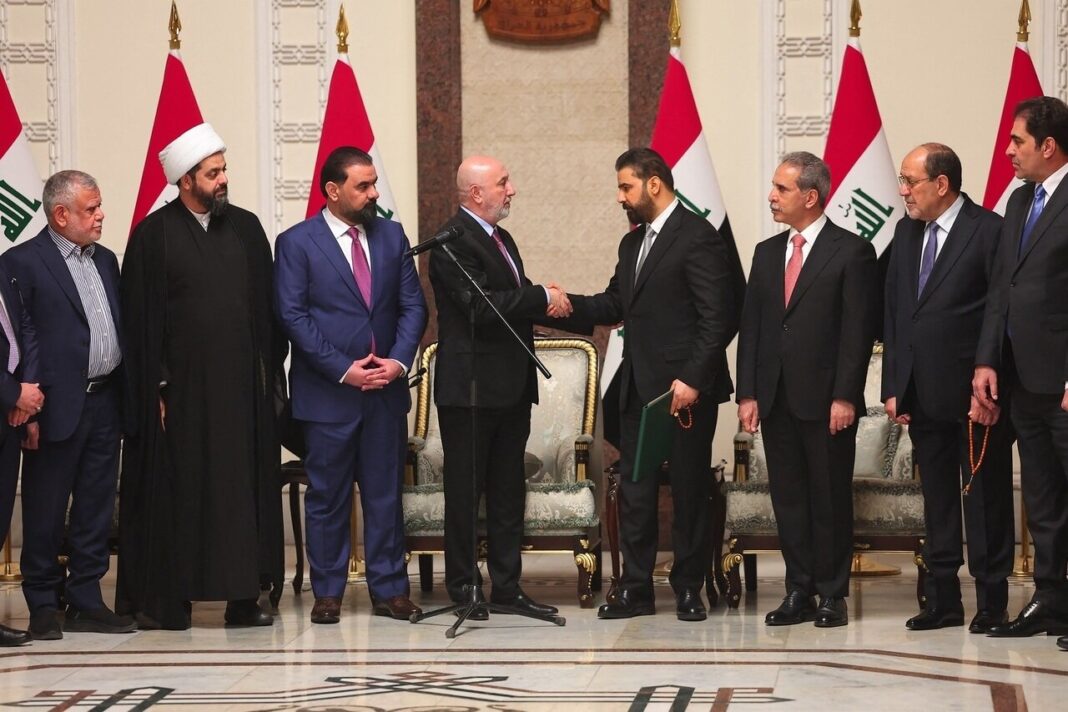
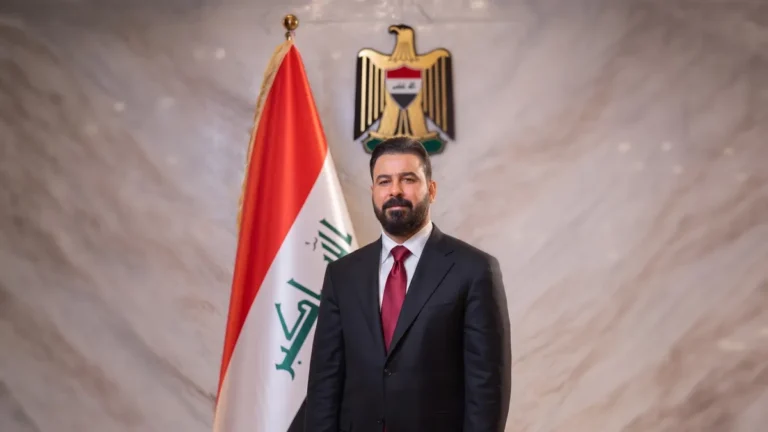
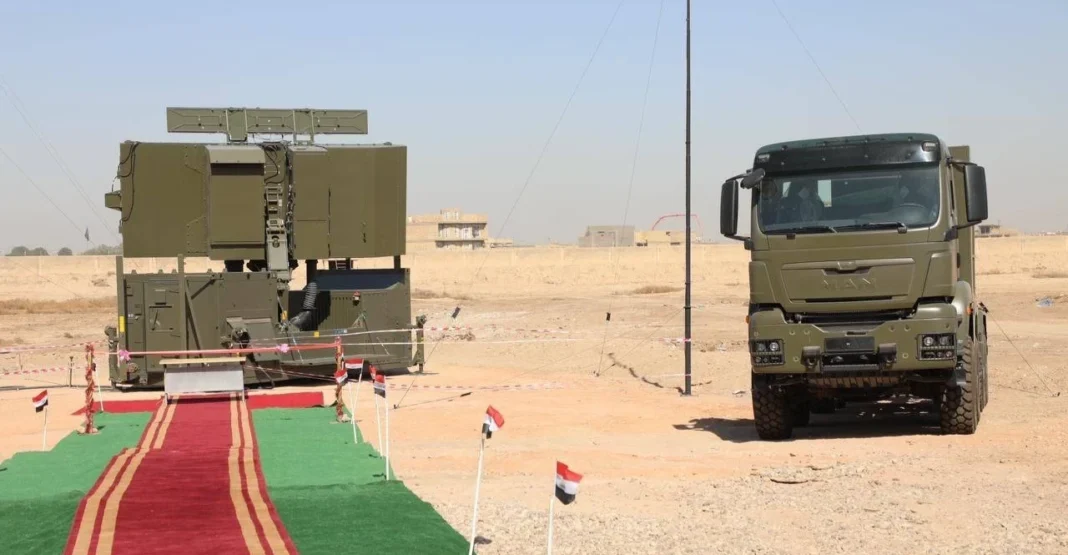
Iraqi Interior Minister Abdul Amir al-Shammari announced a new agreement for advanced anti-drone systems. Furthermore, Baghdad signed the contract with Iraq’s Military Industrialization Board earlier this year.
Shammari explained that the systems will protect key institutions connected to Iraq’s Interior Ministry. However, he confirmed the systems will not include facilities inside the Kurdistan Region.
His statement contradicted earlier comments from Iraqi military spokesperson Sabah al-Numan. Previously, officials suggested the Kurdistan Region would receive protection under the same project.
The decision quickly sparked criticism from Kurdish officials and regional observers. Many questioned Baghdad’s refusal to extend protection despite the continuing aerial threats.
For years, Baghdad has restricted the Kurdistan Region from independently obtaining air-defense systems. Consequently, Kurdish authorities remain heavily dependent on federal security decisions.
The United States has already deployed limited air-defense support inside the Kurdistan Region. Nevertheless, regional officials continue demanding stronger protection against drones and missiles.
Recent attacks caused civilian casualties and infrastructure damage across northern Iraq. Earlier this month, a drone strike hit a civilian home near Erbil and caused fatalities.
According to the Kurdistan Regional Government, at least 20 people have died since the attacks began. Additionally, more than 120 others suffered injuries during the ongoing escalation.
Although Iran and the United States later reached a ceasefire understanding, attacks continue in several areas. Armed groups also continue threatening U.S. interests inside Iraq.
The Kurdistan drone attacks now represent one of Iraq’s most urgent security challenges. At the same time, political tensions continue growing between Baghdad and Erbil over defense responsibilities.
Baghdad insists it holds authority over national air-defense systems across Iraq. However, Kurdish officials argue the federal government has failed to protect the autonomous region effectively.
As Iraq prepares for a political transition under new leadership, security divisions remain deeply unresolved. Observers also warn that continued drone attacks could destabilize Iraq further in the coming months.