
The adoption of UN Security Council Resolution 688 in 1991 marked a pivotal moment in safeguarding Kurdish civilians in Iraq. The resolution denounced the oppression of the Kurdish populace. It urged an end to violence, providing the political and moral foundation for the creation of a no-fly zone in the Kurdistan Region of Iraq (KRI). This mechanism, implemented by the United States, France, the UK, and their allies, shielded civilians in the KRI from the regime of Saddam Hussein and fostered conditions conducive to stability and self-governance.
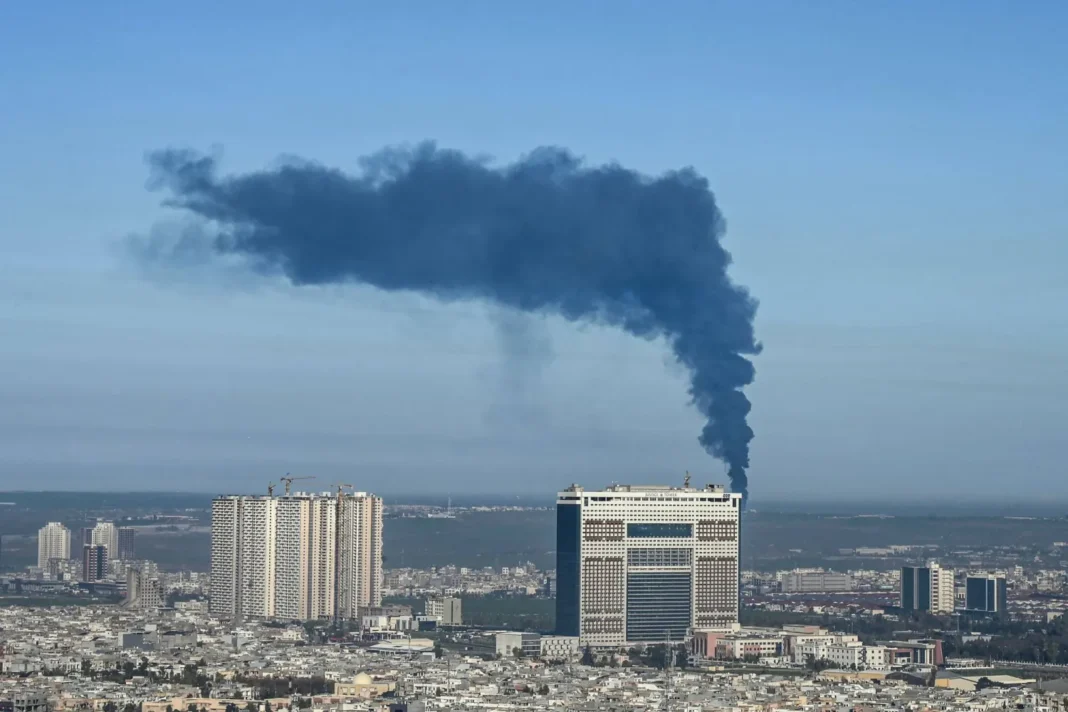
The pressing question today is whether this resolution can continue to protect the Kurdistan Region against attacks by Iraqi militias. The nature of threats has undergone significant evolution. Rather than facing a centralized state actor, the region now contends with non-state armed groups that operate with enhanced capabilities, including the use of drones and missiles. These factions have consistently targeted Erbil, affecting civilian neighborhoods, diplomatic missions, and international coalition bases.
In this context, the role of the Iraqi government is paramount. As the sovereign authority, Baghdad bears the responsibility to prevent armed groups within its borders from launching attacks on other regions, including the Kurdistan Region. The ongoing militia assaults raise substantial concerns regarding the government’s capacity or willingness to take decisive action. Some of these groups are reported to receive funding or function within frameworks linked to the state, further complicating accountability. This predicament directly undermines the principle underlying Resolution 688, which emphasized the protection of civilians and the state’s obligation to ensure their safety.
From a legal perspective, Resolution 688 cannot serve as a protective mechanism in the present day. Although it set a significant precedent for civilian protection, it did not establish an enforcement system or provide continuous military safeguarding. The subsequent no-fly zone was a consequence of political and military choices made by coalition powers, rather than a lasting UN Security Council enforcement framework. Therefore, it cannot be applied in its original form to address contemporary threats such as drone warfare and militia-based attacks.
Nonetheless, the fundamental principle of Resolution 688 remains relevant. The notion that the international community can intervene when a state neglects its duty to protect its civilians still carries considerable moral and political weight. The Kurdistan Region’s position as a crucial ally in the fight against the Islamic State further strengthens this argument. Coalition forces, which collaborated with Peshmerga forces, continue to maintain a presence in the area, and attacks on these forces represent a broader security concern.
In summary, while Resolution 688 was an essential tool for safeguarding civilians in Kurdistan during the early 1990s, it cannot act as a direct defense against today’s militia attacks. Its significance lies in its principles rather than its practical implementation. The security of the Kurdistan Region now depends on the Iraqi government fulfilling its responsibility to regulate armed groups within its territory, alongside continued international support to deter and prevent further attacks.