The USD/IQD exchange rates moved higher on Wednesday morning, drawing strong attention from traders and citizens alike. As markets opened across Iraq, the USD/IQD exchange rates showed a clear upward trend. Consequently, currency dealers closely monitored every shift in pricing throughout the day.
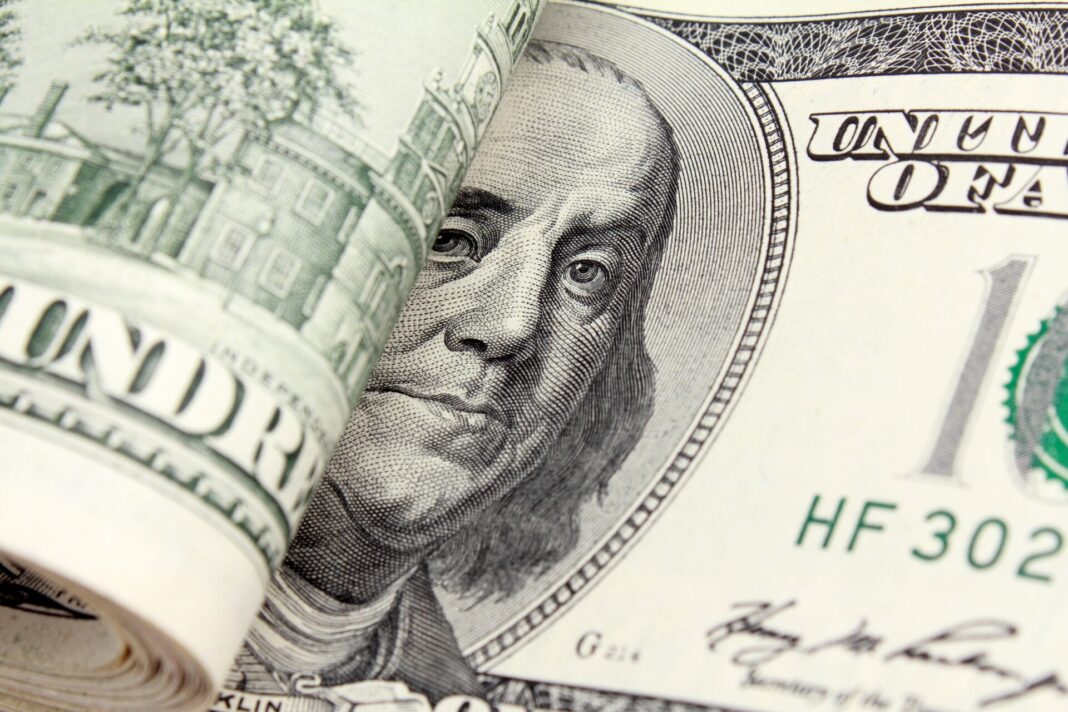
Early trading in Baghdad signaled rising demand for the US dollar. The dollar hovered near 156,000 Iraqi dinars per 100 dollars at the start of transactions. Compared with Tuesday’s figures, the increase appeared noticeable. Many traders reacted quickly to the fresh numbers.
According to market observations, currency exchanges in Baghdad’s Al-Kifah and Al-Harithiya areas recorded 155,600 dinars per 100 dollars. On the previous day, the rate stood at 155,000 dinars. Therefore, the market reflected a 600-dinar jump within just one session.
Meanwhile, exchange shops across the capital adjusted their boards. Sellers offered 100 dollars for 156,000 dinars. Buyers, however, purchased 100 dollars at 155,000 dinars. This gap between buying and selling prices remained consistent with recent trading patterns.
In Erbil, the market followed a similar path but with slight differences. Exchange shops set the selling price at 155,250 dinars per 100 dollars. At the same time, buyers acquired 100 dollars for 155,150 dinars. Although lower than Baghdad’s selling rate, Erbil’s figures still reflected the broader upward movement.
Currency traders linked the rise to ongoing market demand. In addition, regional economic factors continued to influence daily pricing. As a result, dealers kept a cautious eye on supply flows and central bank policies.
Throughout the morning, customers gathered at exchange outlets to secure dollars before further changes occurred. Some buyers expressed concern about continued fluctuations. Others viewed the movement as part of Iraq’s routine currency cycle.
Importantly, the USD/IQD exchange rates remain a key indicator for commercial activity in both cities. Businesses that rely on imports often adjust their pricing based on these daily changes. Therefore, even small increases can ripple across local markets.
While the rise did not break major records, it reinforced a steady upward pattern. Financial observers expect traders to watch upcoming sessions closely. If demand continues at the same pace, further adjustments could follow.
For now, the USD/IQD exchange rates continue to shape trading activity in Baghdad and Erbil, reflecting the dynamic nature of Iraq’s currency market.