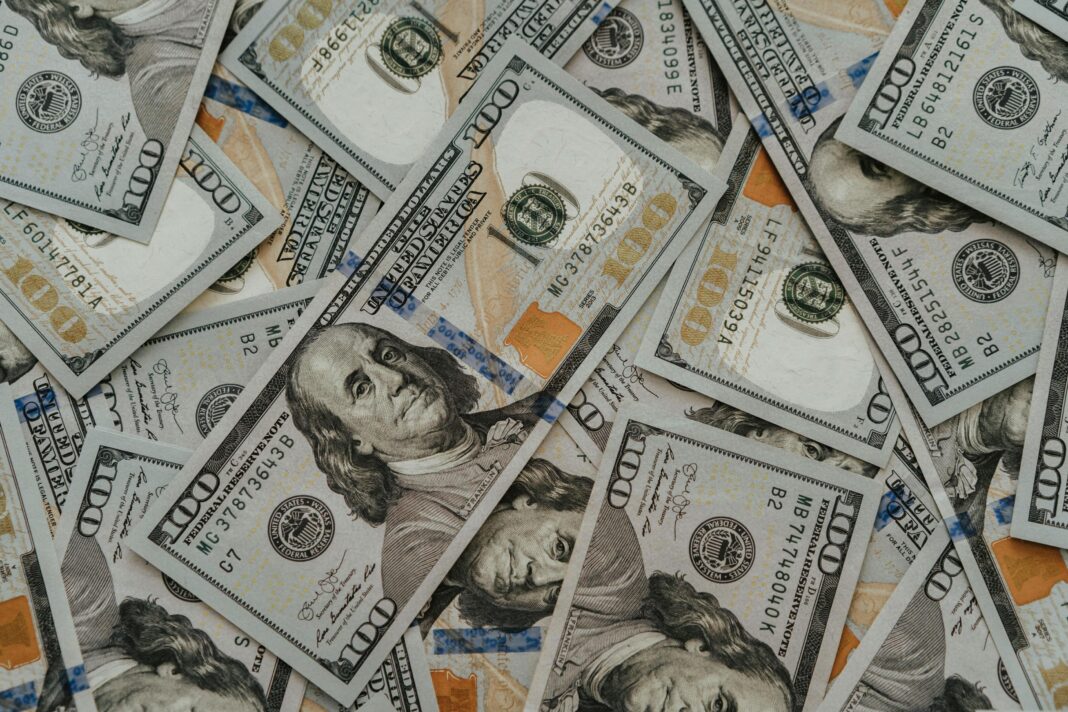
Dollar market fluctuations affected Iraq’s main cities on Thursday, February 26, 2026. Traders and investors closely watched rates in Baghdad and Erbil. The key phrase highlights the changing trends in the local currency exchange.
In Baghdad, the US dollar rose slightly compared to the previous session. Market surveys recorded trading at 153,800 dinars per 100 dollars, up from 153,750 dinars. Exchange offices sold dollars at 154,250 dinars and bought them at 153,250 dinars.
Meanwhile, Erbil experienced a minor drop in the dollar rate. Sellers offered dollars at 153,300 dinars, and buyers paid 153,250 dinars. This divergence between Baghdad and Erbil demonstrates how local demand and supply influence the exchange rate.
Traders noted that slight fluctuations in the dollar market are typical during midweek sessions. Baghdad’s market tends to respond faster to demand pressures, while Erbil shows more stable pricing. This behavior reflects regional variations in trading volumes and liquidity.
Financial experts point out that the dollar market fluctuations in Iraq reflect both internal and external economic factors. For instance, government policies, oil revenue expectations, and global currency trends all contribute to rate changes.
Furthermore, the difference between buying and selling prices indicates market sentiment. In Baghdad, higher buying and selling spreads suggest stronger demand for dollars. In Erbil, narrower spreads indicate steadier trade activity despite minor declines.
Analysts advise businesses and individuals to monitor both cities’ exchange rates closely. Dollar market fluctuations can impact imports, exports, and day-to-day transactions. For merchants, small changes in rates influence costs and pricing strategies.
Observers expect continued volatility in the short term. Traders recommend using official exchange centers to reduce risk. The central bank’s interventions and regulatory guidance may further stabilize trading in the coming weeks.
Overall, dollar market fluctuations in Iraq show clear regional differences. Baghdad’s rates rose while Erbil’s slightly declined. Traders and businesses need to remain aware of these dynamics to make informed decisions.