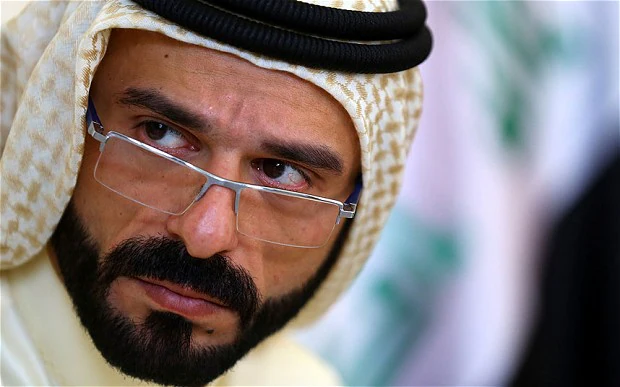
Iraq stands at a crossroads as debate grows over leadership and the future of the state. Amid talk of an Iraq political transformation, Ali Hatem Suleiman, head of the Dulaim tribe, delivered a sharp warning about a possible return of Nouri al-Maliki to power.
During a televised interview with Al-Rasheed TV, Suleiman rejected any scenario that would bring Maliki back as prime minister. He stressed that such a move would trigger a serious Sunni boycott of Baghdad.
“Iraq faces real change, not cosmetic change,” Suleiman said. He argued that the country needs calm leadership rather than loud political rhetoric. Moreover, he called for a new Sunni project to overcome two decades of hardship.
He insisted that Maliki would not return to office. However, he warned that if Maliki does return, Sunni leaders will cut ties with Baghdad. According to Suleiman, that step would mark a dramatic shift in relations between Sunni communities and the federal government.
Suleiman also questioned the lack of alternative figures within Shiite political ranks. He asked whether no other qualified leaders exist within national and tribal forces. Furthermore, he pointed to tensions inside the Coordination Framework. He claimed internal disputes continue to shape its decisions.
At the same time, Suleiman raised concerns about potential American pressure. He asked whether Iraqi leaders could withstand sanctions from the United States. He suggested that renewed sanctions could place Iraq in a fragile position.
In addition, Suleiman warned of broader consequences. If Sunnis sense renewed threats to their provinces, they will refuse to recognize the political system. He said they would launch a boycott strong enough to attract global attention. Such action, he argued, would force the world to acknowledge their position.
The Coordination Framework nominated Maliki after the 2025 elections. Meanwhile, Donald Trump signaled that Washington could reconsider its support if Maliki regains office. That warning added another layer of uncertainty to the unfolding Iraq political transformation.
Maliki previously led Iraq from 2006 to 2014. He stepped down after intense domestic and international pressure. His departure followed the fall of Mosul to the Islamic State group.
Now, political forces debate the next chapter. As calls for reform grow louder, many observers see signs of an Iraq political transformation that could reshape alliances and redefine power.