Iraqi migrants return from Libya as Iraq’s embassy in Tripoli arranged the voluntary repatriation of 33 Iraqi nationals, with a flight departing Libya on Sunday night and reaching Erbil early Monday.
Chargé d’affaires Ahmed al-Sahaf said the embassy coordinated the return with Iraq’s Foreign Ministry in Baghdad and the Kurdistan Regional Government’s Department of Foreign Relations. Moreover, the embassy covered the migrants’ airfare to reduce the financial pressure on their families.
Sahaf warned that smuggling and human trafficking networks continue to target young migrants seeking irregular routes abroad. According to him, these networks expose migrants to dangerous conditions and potential legal consequences. Therefore, the embassy continues to provide information and coordinate with Libyan security authorities to address cases involving Iraqi nationals.
The latest operation adds to Iraq’s ongoing efforts to bring its citizens home from Libya. Since the embassy resumed operations, Iraqi authorities have expanded humanitarian assistance and coordination for migrants facing detention or difficult circumstances.
In late May, Sahaf said Iraq had repatriated 352 migrants from Libya over the previous two years. Earlier this year, another group of 110 Iraqis returned to Erbil after Libyan authorities held them in detention centers.
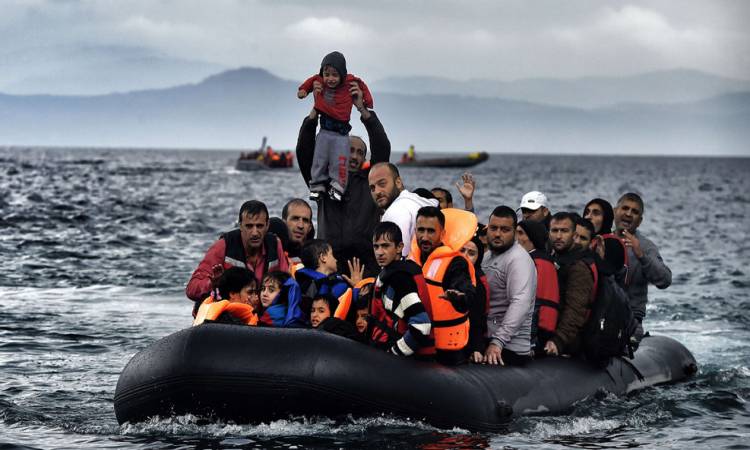
The figures highlight the scale of the migration challenge facing Iraqi citizens who attempt to reach Europe through irregular routes. Many migrants rely on smugglers to cross borders and travel through North Africa before attempting dangerous Mediterranean crossings.
Meanwhile, Libya remains an important transit point for migrants seeking to reach Europe, despite increased security measures and greater cooperation between Libya and European countries. Migrants can face detention, exploitation, financial loss and other dangers during the journey.
For Iraqi and Kurdish migrants, some routes also begin through Turkey before continuing toward the Mediterranean. From there, migrants may attempt to reach European destinations, including Italy and Malta, using irregular sea crossings.
Consequently, Iraqi officials have repeatedly encouraged citizens to avoid smuggling networks and irregular migration routes. The embassy’s latest operation demonstrates the government’s continued focus on assisting nationals stranded or detained abroad.
The Iraqi migrants return from Libya also underscores the risks associated with irregular migration. While some migrants leave Iraq in search of employment or better living conditions, they can instead become vulnerable to trafficking networks and detention.
Iraqi diplomatic missions continue to work with local authorities to identify migrants who need assistance and facilitate their return. In addition, officials provide humanitarian and medical support when necessary.
As Iraqi migrants return from Libya, authorities face the broader challenge of preventing new migration cases while supporting citizens already caught in dangerous routes. The latest repatriation therefore reflects both an immediate humanitarian response and Iraq’s wider efforts to protect its nationals abroad.