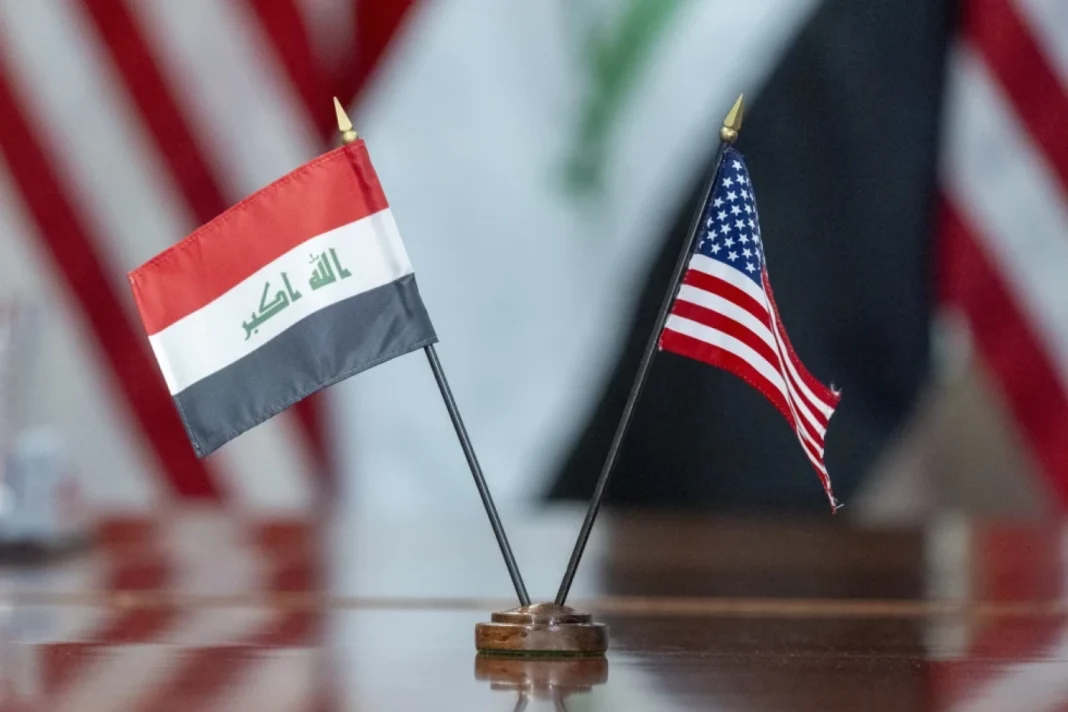
Iraq rejects coalition presence beyond September 30, as Prime Minister Ali al-Zaidi refuses a proposal to keep some US-led international forces in the country after the withdrawal deadline.
Government spokesperson Haider al-Aboudi announced the decision during a press briefing in Baghdad on Monday. He said the prime minister rejected the proposal and confirmed that Iraq remains committed to the planned withdrawal.
However, Aboudi did not identify who submitted the proposal. He also stressed that Baghdad continues to monitor developments across the region. At the same time, he said Iraq does not intend to become involved in the ongoing conflict.
The September 30 deadline comes from a 2024 agreement between Baghdad and Washington. Under that agreement, US and coalition forces must complete their withdrawal from Iraq. Meanwhile, the deadline also coincides with the government’s efforts to disarm paramilitary factions.
Several armed groups have previously connected their disarmament commitments to the complete departure of US forces. Therefore, the withdrawal remains closely linked to Baghdad’s broader plans to strengthen state control over weapons.
In early June, Zaidi ordered the creation of a committee to oversee the separation of political parties and armed factions from the Popular Mobilization Forces. The committee aims to bring armed groups and their weapons under government authority.
Furthermore, Aboudi said the government continues to implement measures to restrict weapons to the state. He explained that authorities also seek to establish clear legal frameworks and unify security decision-making.
According to the spokesperson, discussions with armed factions remain positive and ongoing. He added that the government expects the process to conclude before September 30. Consequently, Baghdad views the coming weeks as an important transitional period.
The government’s position follows months of serious regional instability. After the US-Iran war began in late February, Iran-aligned groups operating under the Islamic Resistance in Iraq intensified attacks against American targets.
During the conflict, the umbrella group launched around 700 attacks against US military bases and diplomatic facilities inside and outside Iraq. The escalation increased pressure on Baghdad to prevent Iraq from becoming a wider battlefield.
Meanwhile, US forces responded with approximately 140 strikes against PMF positions. Iraqi government figures reported at least 70 deaths and around 270 injuries among PMF members.
Despite the tensions, Baghdad continues to emphasize national sovereignty and state control. The government now faces the difficult task of completing the foreign troop withdrawal while managing armed factions inside the country.
For Zaidi’s government, Iraq rejects coalition presence as part of a broader effort to establish greater control over national security decisions. The September 30 deadline could therefore mark a significant turning point in Iraq’s security policy.
As the deadline approaches, Baghdad must balance regional pressures with its domestic security priorities. Iraq’s leadership has repeatedly stressed that the country should not become a battleground for competing foreign powers. Consequently, the coming weeks could prove crucial for Iraq’s political and security landscape.