
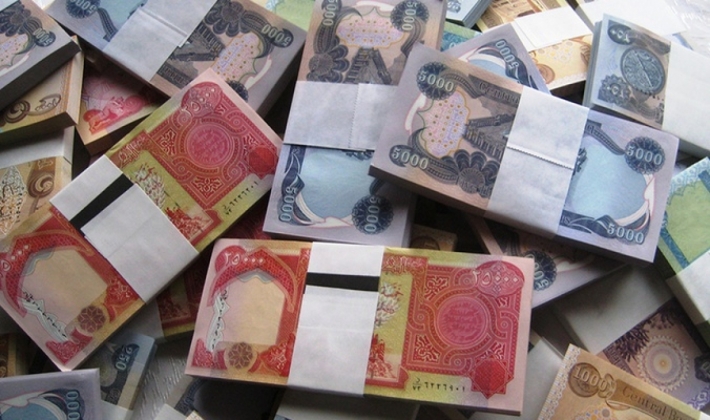
The Iraqi currency reform debate has intensified after the Central Bank of Iraq denied printing new banknotes.
The Central Bank of Iraq rejected reports about newly printed notes with removed zeros. The bank said those reports came from no official source.
The CBI confirmed that it has not printed new Iraqi currency with zeros removed. It also stressed that major changes require extensive preparation.
According to the bank, any decision would involve several legal and regulatory procedures. Technical preparations would also form an important part of the process.
Furthermore, the CBI said officials would announce any confirmed decision publicly. Authorities would also establish a suitable transition period for replacing existing banknotes.
That period would allow banks and institutions to exchange the currency systematically. Therefore, the process would not immediately affect Iraq’s financial system.
The statement comes amid growing public discussion about removing zeros from the Iraqi dinar. Several Iraqi officials have recently addressed the proposal.
Jamal Kocher, a member of parliament’s finance committee, recently discussed the plan. He said Prime Minister Ali al-Zaidi had requested removing zeros from Iraqi banknotes.
Under the proposal, 1,000 dinars could become one dinar. Meanwhile, a 25,000-dinar note could become 25 dinars.
However, the central bank has not announced an implementation date. It also has not confirmed plans to begin replacing current banknotes.
Earlier this month, Communications Minister Mustafa Sanad said authorities had decided to change the currency. Nevertheless, the CBI has yet to publish an official timetable.
Consequently, questions remain about when Iraq could introduce the proposed currency changes. The central bank’s latest statement adds further caution to those expectations.
The proposal also comes as Iraq seeks to strengthen its financial system. Authorities have increasingly focused on controlling illicit funds and improving financial oversight.
Supporters of removing zeros argue that the change could simplify financial transactions. It could also make accounting and cash management easier for institutions.
Iraq previously added zeros to its currency during a period of severe economic pressure. Kocher linked that decision to the country’s economic deterioration under international sanctions.
Meanwhile, Iraq has explored options for producing future banknotes abroad. The country previously relied on France and Germany for currency printing.
Officials have also approached the United Kingdom and Australia regarding potential cooperation. Such efforts could help expand Iraq’s options for future currency production.
Still, the Iraqi currency reform process remains subject to official approval. The CBI insists that legal and technical requirements must come first.
The bank has therefore urged citizens to follow official announcements. It also warned against relying on unverified reports about new banknotes.
For now, Iraq continues using its existing currency. Any future change will require coordination between the government and the central bank.
The Iraqi currency reform could eventually reshape everyday financial transactions across the country. However, the CBI has made clear that implementation would take time.