Iraq has formed a special committee to pursue Iraq stolen funds recovery efforts abroad. Officials believe Lebanon represents a major destination for money allegedly smuggled from Iraq.
The committee will contact authorities in countries where Iraqi officials suspect stolen public funds remain hidden. The initiative forms part of Baghdad’s broader campaign against corruption and financial crimes.
Jamal Kocher, a member of the Iraqi parliament’s finance committee, said billions of dollars may have reached Lebanon after 2003.
He estimated that at least $18 billion had moved to Lebanon during that period. However, he said the total amount could potentially exceed $40 billion.
Kocher linked those estimates to previously reported figures concerning Iraqi money transferred outside the country. Former President Barham Salih had previously estimated that approximately $140 billion left Iraq illegally.
Meanwhile, economic expert Jassem Ajaqah suggested the estimated $40 billion could represent only part of the larger picture.
According to Ajaqah, that figure may mainly cover funds transferred through official banking channels. Therefore, additional money could remain hidden through private businesses and other financial networks.
He also suggested that traders and shell companies may hold some of the remaining funds. As a result, identifying the full scale remains a major challenge.
Nevertheless, the new committee signals stronger government efforts to expand Iraq stolen funds recovery beyond the country’s borders.
The initiative also comes amid a wider anti-corruption campaign led by Iraqi Prime Minister Ali al-Zaidi.
The government intensified its campaign with a major operation inside Baghdad’s Green Zone in late June. Authorities arrested several senior Iraqi officials during that crackdown.
Since then, investigators have continued pursuing corruption cases involving significant amounts of money and valuable assets.
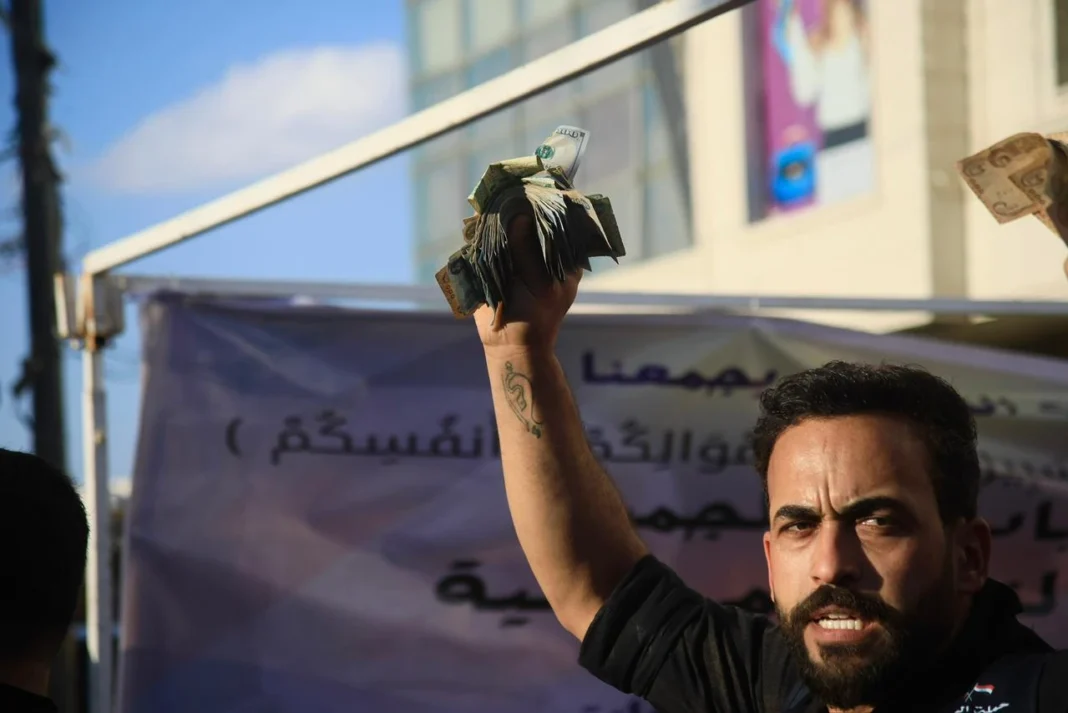
By late July, Iraqi authorities had seized more than $125 million connected to a major corruption investigation.
Officials also recovered approximately 380 kilograms of gold and jewelry from different locations. Investigators linked the case to Adnan al-Jumaili, the detained oil ministry undersecretary for refining affairs.
The discoveries strengthened the government’s public campaign against financial corruption. Furthermore, they increased pressure on authorities to identify additional assets and networks.
Zaidi’s anti-corruption drive has received broad support across Iraq’s political landscape. The ruling Coordination Framework has also backed the government’s wider crackdown.
However, recovering money located outside Iraq presents greater legal and diplomatic challenges. Iraqi authorities will likely need cooperation from foreign governments and financial institutions.
The newly formed committee will therefore play an important role in coordinating international contacts. Its work could determine whether Baghdad successfully identifies and recovers additional assets.
Moreover, officials face the difficult task of separating illegal public funds from legitimate private holdings. Complex financial networks could make that process longer and more complicated.
Still, Baghdad appears determined to expand its investigation beyond Iraq’s borders. The government sees Iraq stolen funds recovery as a key part of restoring public confidence.
The committee’s next steps will likely focus on gathering evidence and opening communication with foreign authorities. Any successful recovery could strengthen Iraq’s broader fight against corruption.