Iraq plans to increase power purchases from neighboring countries before the next peak summer season. The government also wants stronger domestic generation, transmission, and distribution systems. These measures aim to reduce shortages and improve network stability across the country. Moreover, officials want faster project delivery and tighter control over public spending.
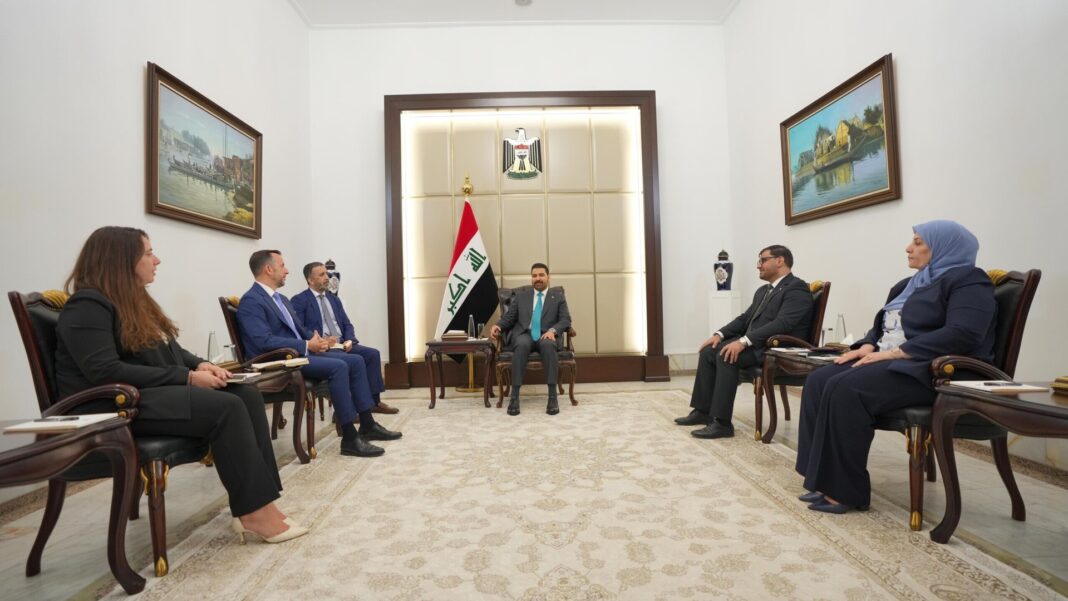
Electricity imports will support Iraq while new power plants and network projects move forward. Prime Minister Ali al-Zaidi instructed the Electricity Ministry to protect all existing generation capacity. He also ordered officials to secure at least 10,000 megawatts from neighboring countries. Additionally, the ministry must develop domestic projects that strengthen the national grid.
The government wants to double electricity production, transmission, and distribution capacity. Furthermore, officials plan to reduce delays, financial waste, and corruption throughout the sector. Stronger management could help Iraq complete projects more quickly and efficiently. Better oversight could also protect investment and improve public confidence.
Iraq aims to add 37,000 megawatts through several major energy programs. General Electric projects would contribute 15,000 megawatts under the government’s plan. Meanwhile, solar projects would provide another 12,000 megawatts across suitable areas. Thermal power plants would supply the remaining 10,000 megawatts.
These projects would give Iraq a more diverse generation mix. Solar power could reduce pressure on fuel supplies during daylight hours. Meanwhile, thermal plants could provide dependable output during periods of high demand. Modern gas and electricity systems could also improve efficiency throughout the network.
Cross-border connections already support Iraq’s strategy for diversifying energy sources. The connection with Jordan currently supplies 150 megawatts. However, officials plan to raise that link’s capacity to 400 megawatts. This expansion could give western areas access to additional electricity.
A separate connection with Turkey can supply 600 megawatts to Iraq. Moreover, a 120-megawatt project links the federal grid with the Kurdistan Region. Together, these links provide several supply routes during periods of heavy consumption. They also reduce Iraq’s dependence on one external source.
However, the national grid still faces a daily shortage exceeding 35,000 megawatts. Recent generation levels reached only about 24,600 megawatts. Meanwhile, peak summer demand ranges between 55,000 and 60,000 megawatts. Therefore, the wide gap continues to place severe pressure on the system.
Restricted fuel supplies also limit electricity production at many Iraqi power plants. Several stations need steady natural gas flows to maintain full output. Iran currently supplies around 20 million cubic meters of gas each day. However, any disruption can quickly reduce generation and increase power cuts.
Consequently, Iraq wants new projects that reduce its reliance on imported fuel. Solar energy offers one option because it requires no natural gas. Additionally, modern thermal plants can use fuel more efficiently than older stations. Improved maintenance can also protect output from existing facilities.
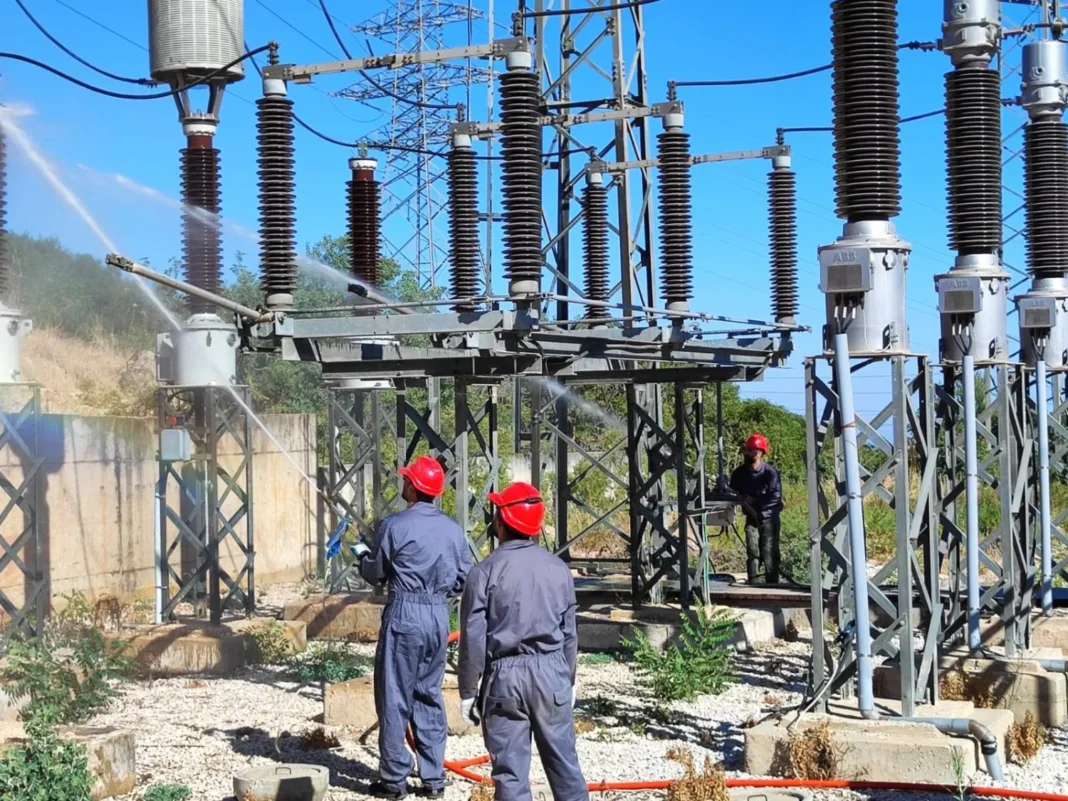
Transmission upgrades will play another important role in the government’s plan. New power plants cannot solve shortages without reliable high-voltage lines. Therefore, Iraq must expand substations, repair damaged equipment, and strengthen connections between provinces. A stronger network would move electricity more efficiently across the country.
Distribution improvements could also reduce losses inside cities and residential areas. Old equipment and overloaded lines often weaken local electricity services. Furthermore, modern meters could help officials measure consumption and manage demand. These upgrades could provide homes and businesses with more reliable power.
Electricity imports can offer immediate support while Iraq completes long-term generation projects. However, imported power alone cannot close the country’s massive supply gap. Baghdad must combine regional connections with domestic production and stronger network management. Moreover, officials must complete projects without unnecessary delays or additional costs.
The government’s plan reflects the scale of Iraq’s electricity challenges. Rising temperatures and population growth continue to increase national power demand. Therefore, Iraq needs coordinated action across generation, fuel supply, transmission, and distribution. Successful implementation could reduce outages and support wider economic activity.