Iraqi security forces recovered 40 gold bars and large cash sums during a major corruption investigation. The case focuses on Deputy Oil Minister Adnan al-Jumaili, who faces financial and administrative corruption accusations.
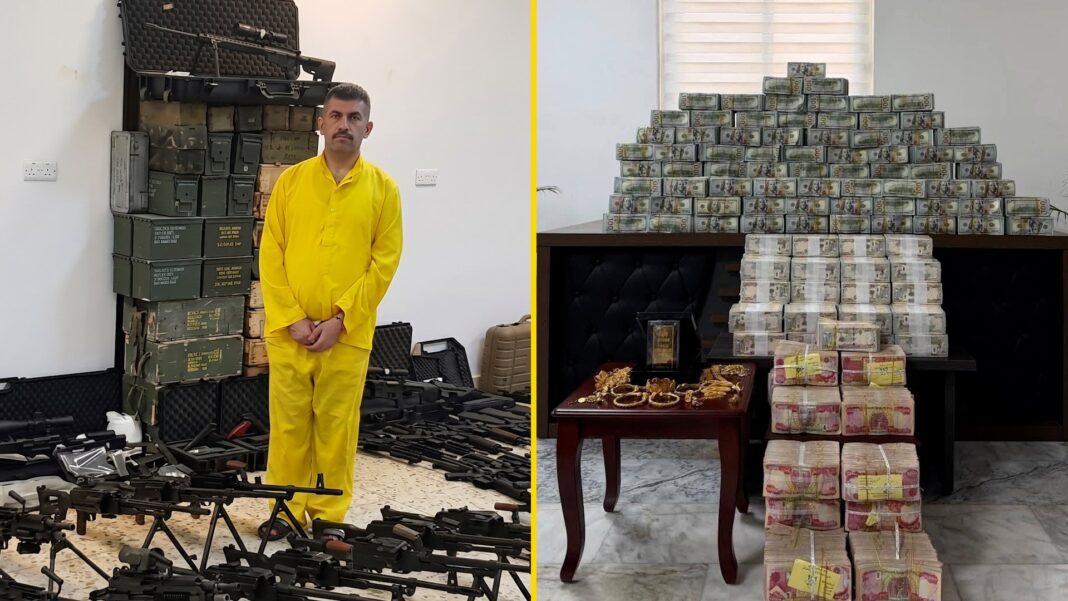
The Supreme Judicial Council said investigators located the assets across several sites in Salah al-Din province. Authorities recovered 13 billion Iraqi dinars, which equals nearly $10 million.
Additionally, security teams confiscated $400,000 in United States currency. Investigators also recovered 40 gold bars, with each bar weighing one kilogram.
Furthermore, authorities found five kilograms of gold jewelry during their searches. These discoveries significantly increased the total value of the recovered assets.
The Iraq gold seizure forms part of a nationwide government campaign against corruption. The campaign targets theft, financial misconduct, and the misuse of public money.
According to judicial officials, investigators discovered the assets while examining al-Jumaili’s finances. They also reviewed his accounts, properties, and other financial records.
Authorities arrested al-Jumaili after investigators raised concerns about possible financial and administrative violations. However, the judiciary continues to examine every allegation.
Therefore, the investigation may uncover additional assets or financial transactions. Officials said search and recovery teams continue working across several locations.
The Supreme Judicial Council withheld specific details about the search sites. Officials also declined to explain how investigators located the money and gold.
However, investigators will likely examine the origin of every recovered asset. Financial records could help authorities identify possible transfers, partners, or additional accounts.
The Iraq gold seizure has attracted attention because of al-Jumaili’s senior government position. His role within the Oil Ministry also increases the case’s public importance.
Moreover, the investigation could examine contracts and financial decisions involving his government responsibilities. Investigators may also check whether other people helped move or conceal assets.
The government considers public fund recovery a major national priority. Cabinet officials have promised stronger action against corruption across state institutions.
Meanwhile, the Federal Commission of Integrity continues coordinating with judges and security forces. Their teams pursue corruption cases and search for missing public money.
Authorities also pursue individuals who leave Iraq during corruption investigations. Therefore, international cooperation could help Baghdad recover assets from foreign countries.
Cross-border banking records may also reveal suspicious transfers or offshore holdings. However, investigators must follow legal procedures before recovering assets abroad.
The case highlights the difficulties surrounding large corruption investigations. Cash, gold, property, and foreign accounts can make financial tracking more complicated.
Therefore, investigators need accurate records and strong cooperation between government institutions. Banking information can also help teams trace payments and identify ownership.
Furthermore, transparent public updates could strengthen confidence in the government’s anti-corruption campaign. Citizens want clear information about recovered money and future legal action.
However, officials must also protect due process throughout the investigation. A seizure alone does not determine guilt or replace a court judgment.
Judges must evaluate the evidence and allow the defendant to answer every accusation. This process can protect the investigation’s credibility and legal integrity.
Additionally, authorities must explain how they will manage recovered funds after the case ends. Clear rules could prevent misuse and return public money to government programs.
Recovered funds could support essential services, infrastructure, healthcare, or education. Nevertheless, courts must first determine ownership and complete all legal procedures.
The campaign could also discourage officials from exploiting senior government positions. Strong enforcement may reduce corruption risks across ministries and public institutions.
Moreover, consistent investigations could reassure investors and international partners. Businesses usually prefer countries with transparent institutions and dependable legal systems.
Ultimately, authorities want this case to demonstrate their commitment to protecting public money. The investigation may also reveal broader weaknesses within government financial controls.
Further searches could uncover more cash, gold, documents, or property. Meanwhile, Iraq’s judiciary and integrity authorities continue examining the case.