Iraq expects oil output to return near pre-war levels within a short period. Officials say production could rise again as export routes reopen. Therefore, Iraq’s oil recovery has become a major economic priority. The rebound could support state finances after a sharp production slowdown.
The country cut output during the recent regional conflict. Iran blocked the Strait of Hormuz after strikes hit its territory. As a result, Iraq lost access to its most important export route. The closure created serious pressure on oilfields, storage tanks, and export plans.
Iraq sends most of its southern crude shipments through the Strait of Hormuz. Before the crisis, exports stood near 3.5 million barrels per day. However, the shutdown forced Iraq to reduce production at many fields. It also limited the country’s ability to move crude abroad.
Oil Ministry spokesperson Salim al-Rikabi said Iraq can restore production gradually. He said output could exceed three million barrels per day again. Moreover, he said southern oilfields would lead the production recovery. These fields form the backbone of Iraq’s oil export system.
Al-Rikabi added that affected oilfields have already started improving capacity. Field teams now work to raise production after earlier cuts. In addition, officials want to bring operations back in stages. This process should help avoid pressure on facilities and export channels.
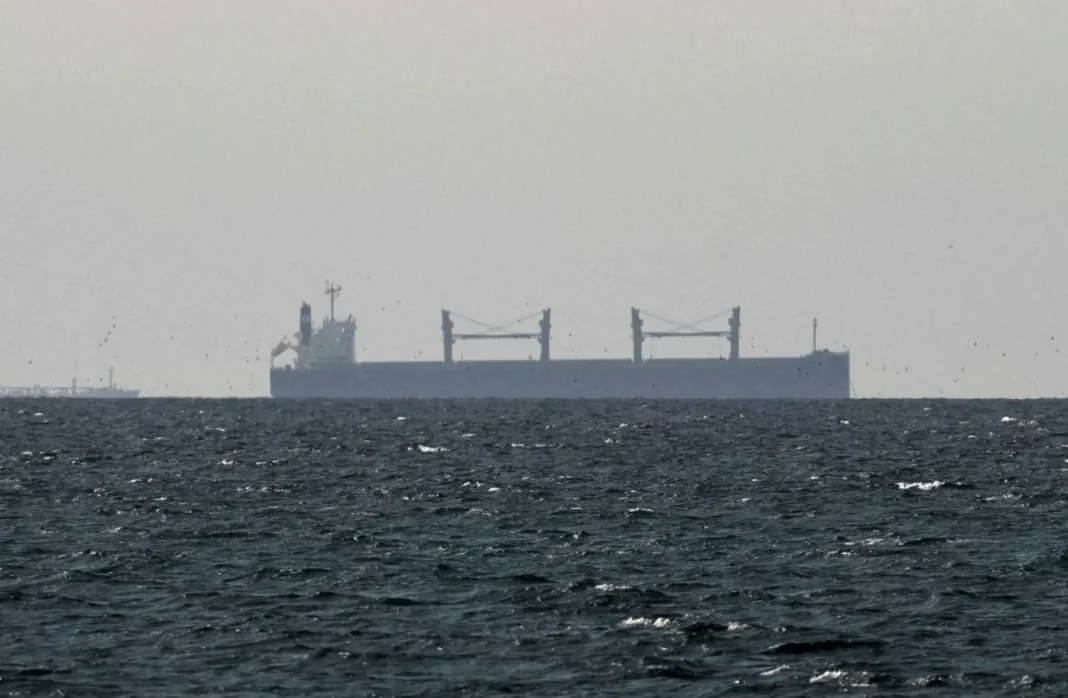
The Iraq oil recovery also depends on maritime traffic through the strait. Oil Minister Bassim Khudair said shipments would resume step by step. He linked the pace of exports to ship movement through the waterway. Therefore, Iraq must watch shipping conditions closely.
The reopening followed a preliminary understanding between Iran and the United States. That development helped ease pressure on one of the world’s key energy routes. Moreover, it allowed Iraq to prepare for a wider export restart. Still, officials expect a gradual recovery, not an instant jump.
The Strait of Hormuz carries a large share of global oil and gas trade. Iraq relies heavily on the waterway for crude exports from southern fields. Consequently, any disruption quickly affects production, revenue, and storage capacity. The recent closure showed Iraq’s exposure to regional tensions.
During the blockade, Iraqi storage tanks reached full capacity. Because of that, producers had less room to store new crude. As a result, Iraq had to slow or stop output at several sites. The country exported only limited volumes through Syria and Turkey.
Official figures showed a major fall in crude movement through the strait. Shipments dropped from tens of millions of barrels to a much smaller volume. This sharp decline weakened Iraq’s export flow during the crisis. It also increased concern over the country’s financial stability.
Iraq depends strongly on oil revenue to fund public spending. The government uses oil income to pay salaries and pensions. It also uses dollars from oil sales to finance imports. In addition, those funds help protect the local currency.
Therefore, Iraq’s oil recovery carries importance beyond the energy sector. Higher exports could improve cash flow for the government. They could also support markets, public wages, and basic imports. However, any new disruption could slow the recovery again.
Energy officials now focus on rebuilding output in a controlled way. They want oilfields to regain capacity without technical problems. Meanwhile, export teams must coordinate with shipping operators and port authorities. This coordination will shape the speed of Iraq’s return.
Overall, Iraq now sees a path back to stronger oil production. The reopening of the strait gives officials more room to act. However, the country still faces risks from regional politics and shipping delays. For now, the government aims to restore output and protect revenue.