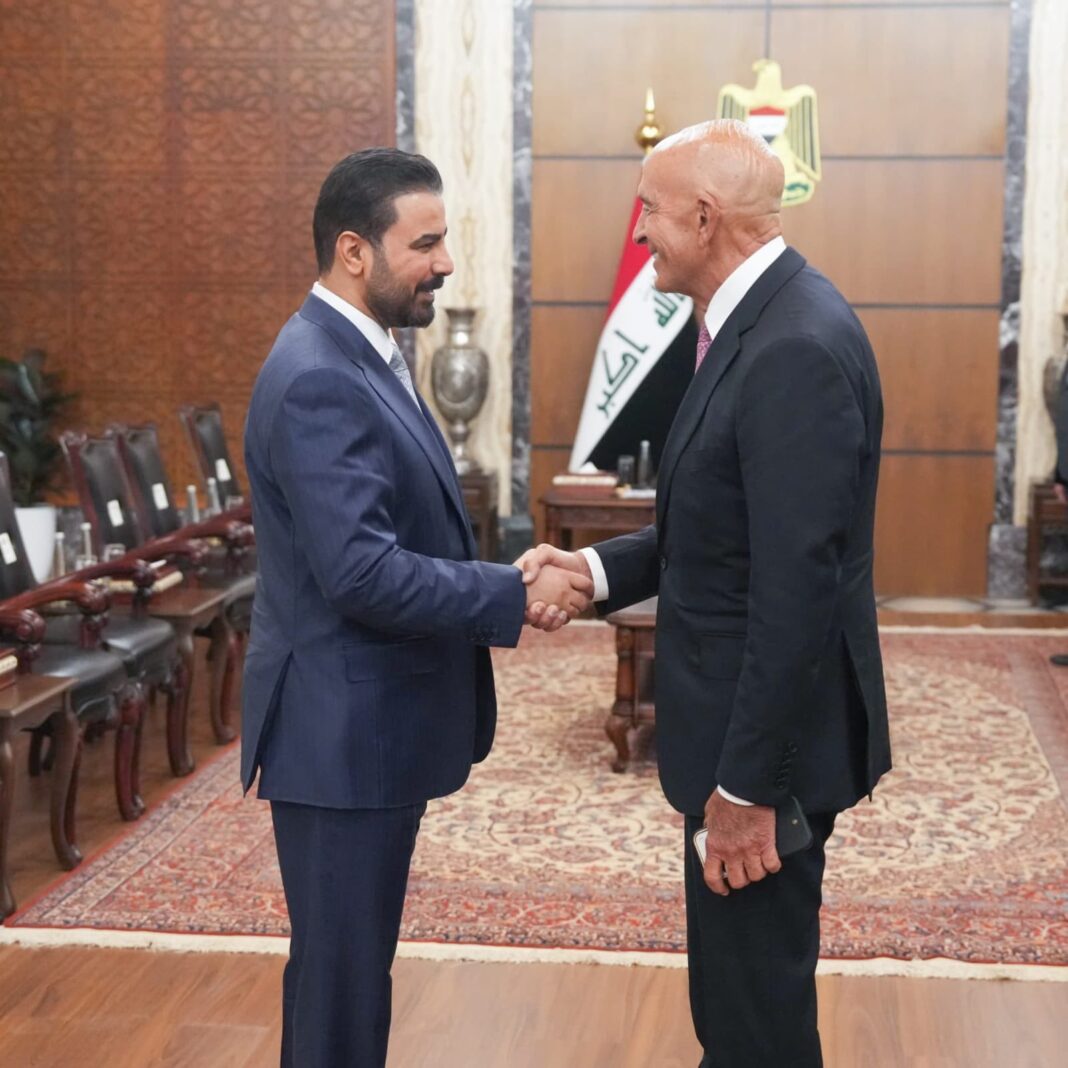
State authority in Iraq stood at the center of discussions between Baghdad and Washington during high-level talks held on June 15. Iraqi Prime Minister Ali al-Zaidi and U.S. presidential envoy Tom Barrack reaffirmed their commitment to dismantling armed groups operating outside government control. At the same time, both sides outlined plans to strengthen economic ties and expand cooperation in the energy sector.
Furthermore, the joint statement stressed the importance of completing efforts to disarm all groups that operate beyond state institutions. Officials also emphasized the need to place all weapons exclusively under government authority.
According to the statement, these measures would strengthen Iraqi sovereignty and reduce the risk of regional conflicts spilling into the country. In addition, both sides said Iraq should not become a platform for threats against neighboring states.
The statement highlighted the urgency of completing these efforts. Consequently, security reforms remain among the most important challenges facing the country.
For years, successive governments have sought to strengthen state authority in Iraq. However, political divisions and security concerns have complicated those efforts. Despite these obstacles, Baghdad continues to pursue policies aimed at consolidating control over weapons and strengthening national institutions.
Meanwhile, the United States signaled its intention to deepen bilateral relations. During the meeting, Barrack conveyed that President Donald Trump plans to host al-Zaidi at the White House in mid-July. Both sides expect the visit to focus on the future of cooperation between the two countries.
The statement described the partnership as one designed to support a sovereign and prosperous Iraq. Moreover, officials said stronger ties would benefit both Iraqis and Americans.
Alongside security issues, the two governments discussed several economic projects. They welcomed Iraq’s decision to grant an operating license to Starlink, allowing the satellite internet company to enter the Iraqi market.
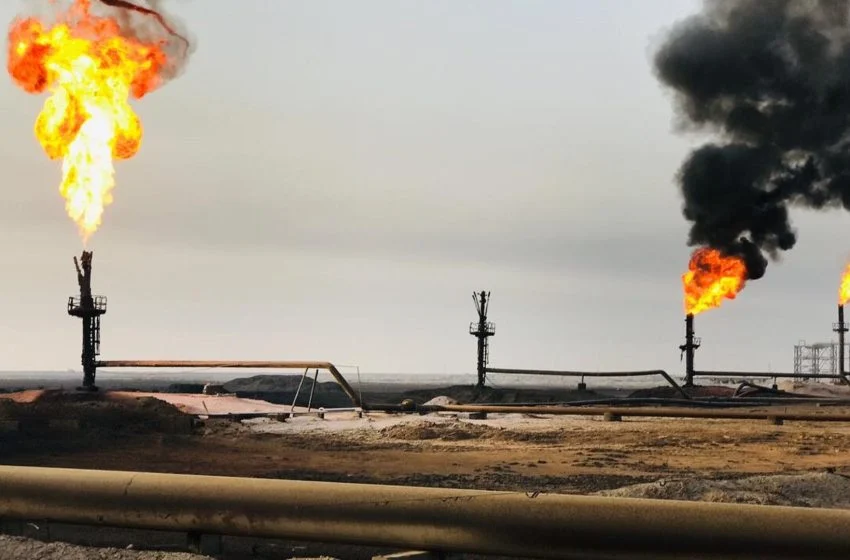
In addition, officials announced plans to begin negotiations with Chevron regarding the development of the West Qurna-2 and Nasiriyah oil fields. These projects represent some of Iraq’s most significant energy assets.
Baghdad also pledged to facilitate the return of HKN, WesternZagros, and Hunt Oil. Authorities promised full security guarantees for the companies’ operations.
Furthermore, both sides reviewed a proposed agreement with TI Capital to rehabilitate the Kirkuk-Baniyas pipeline. The route historically connected Iraqi oil fields to Syria’s Mediterranean coast and remains strategically important.
Energy cooperation also featured prominently during the discussions. Washington and Baghdad reaffirmed support for greater commercial partnerships. They also backed an integrated liquefied natural gas import terminal project being developed by Excelerate Energy at Khor al-Zubair.
The statement concluded with support for a strong and united federal Iraq based on constitutional institutions and equal rights.
Officials also emphasized democratic governance and economic development. They described those goals as essential pillars of future cooperation.
As Iraq seeks to balance regional pressures, leaders continue to pursue reforms and attract investment. At the same time, strengthening state authority in Iraq remains a central objective for both Baghdad and Washington.