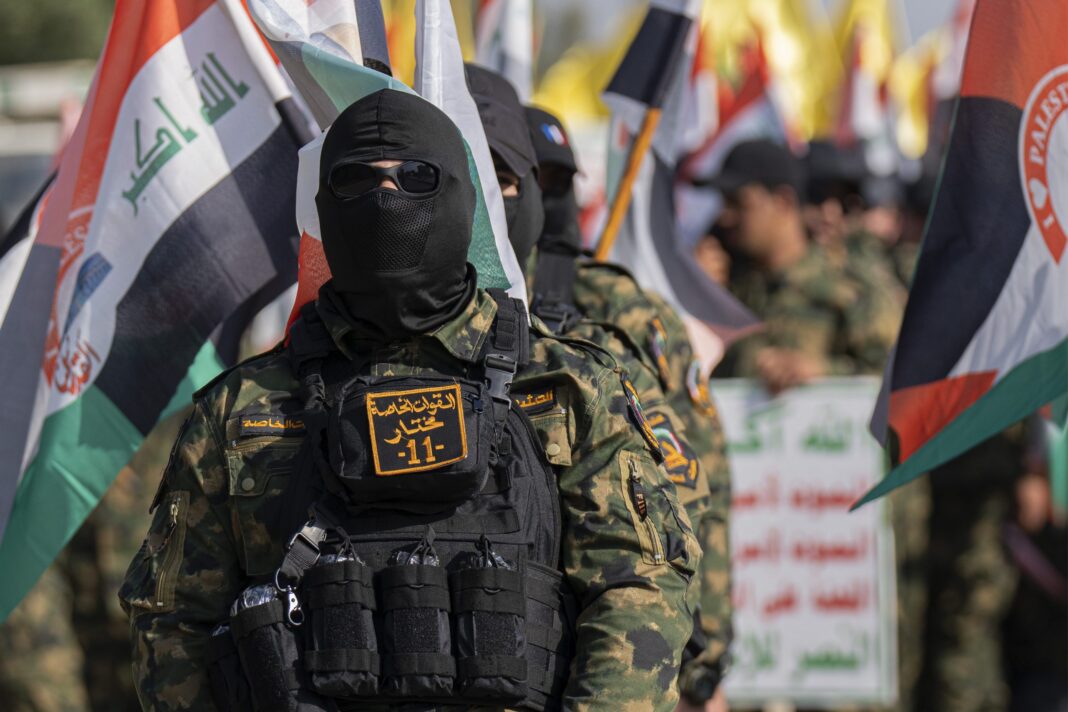
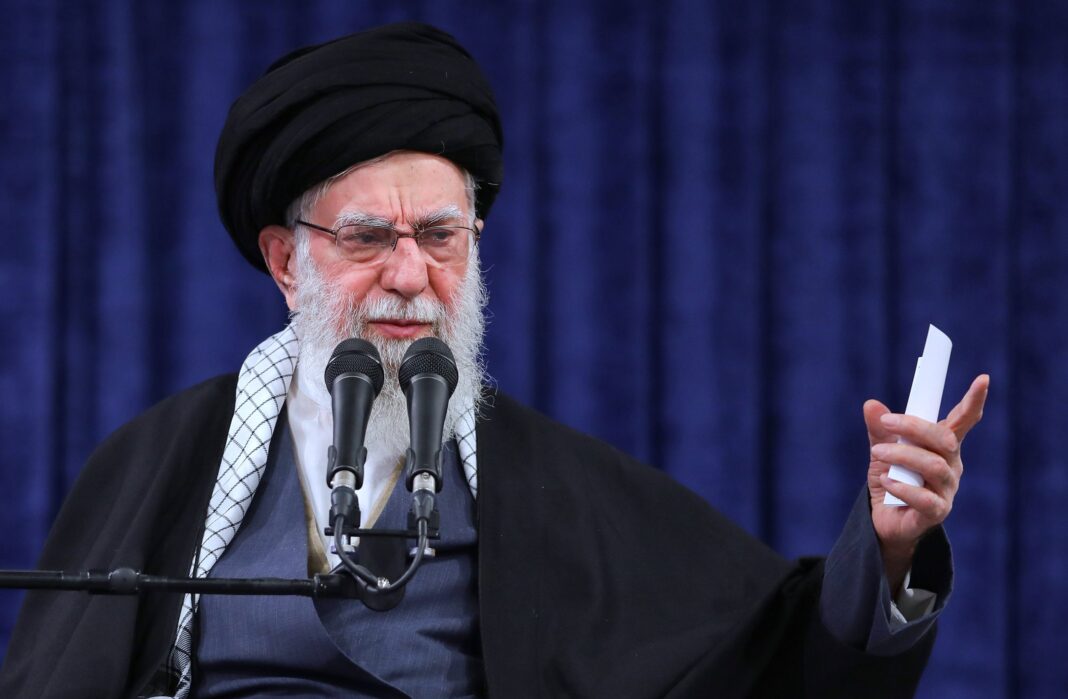
An Iranian funeral official said 120 Iraqi lawmakers requested a procession for Ayatollah Ali Khamenei in Iraq. The request adds a major political dimension to the planned funeral ceremonies. Moreover, it places Baghdad at the center of a sensitive regional moment.
Ali Akbar Pourjamshidian said Iraqi lawmakers sent letters supporting the funeral route through Iraq. He also said Iran expects an official reception for Khamenei’s body and family. In addition, senior Iraqi officials may attend the reception at either Baghdad or Najaf airport.
The Iraq Khamenei procession has drawn attention because of Iraq’s political and religious ties with Iran. Najaf and Karbala hold major importance for millions of Shiite Muslims. Therefore, Iran views the Iraq stage as a central part of the farewell ceremonies.
Iraqi officials have also prepared arrangements for the event. A committee under the prime minister’s supervision will oversee the reception and related measures. Furthermore, Iranian officials described the level of preparation as highly organized.
Government figures in Baghdad have supported the procession as an official state event. They said the plan involves coordination with political forces and relevant institutions. As a result, the funeral route has become a matter of national planning.
The Higher Committee organizing the Iraq stage limited the ceremonies to Najaf and Karbala. It excluded Baghdad because Iraq has a limited time to host the events. Consequently, the two holy cities will carry the main religious and symbolic weight.
The Iraq Khamenei procession also comes during a tense regional climate. Khamenei’s death has already increased political pressure across the Middle East. Therefore, any public ceremony in Iraq will likely draw close regional and international attention.
Iranian officials said large numbers of people registered to attend ceremonies inside Iran. They also said officials from many countries plan to join the main events in Tehran. This expected turnout gives the funeral a wider diplomatic profile.
In Iraq, the event could create both support and controversy. Many political and religious groups may welcome the procession. However, others may question its impact on Iraq’s foreign policy balance.
Baghdad often tries to manage relations with both Tehran and Washington. Therefore, a major Iranian state funeral event inside Iraq could raise diplomatic questions. It could also test the government’s ability to control public messaging.
Supporters may frame the procession as a religious and regional gesture. They may also point to Iraq’s holy cities and their place in Shiite tradition. Meanwhile, critics may view the event through a political lens.
The Iraq Khamenei procession could also require major security planning. Large ceremonies in Najaf and Karbala often need road controls, crowd management, and emergency services. In addition, officials must coordinate transport, airport procedures, and public movement.
For now, Iranian officials say Iraq’s preparations continue at a high level. Baghdad has approved the official procession and formed arrangements with relevant bodies. The event now stands as a major political and religious moment for Iraq.